
Why Young Indian Doctors Must Adopt E-Prescriptions Now
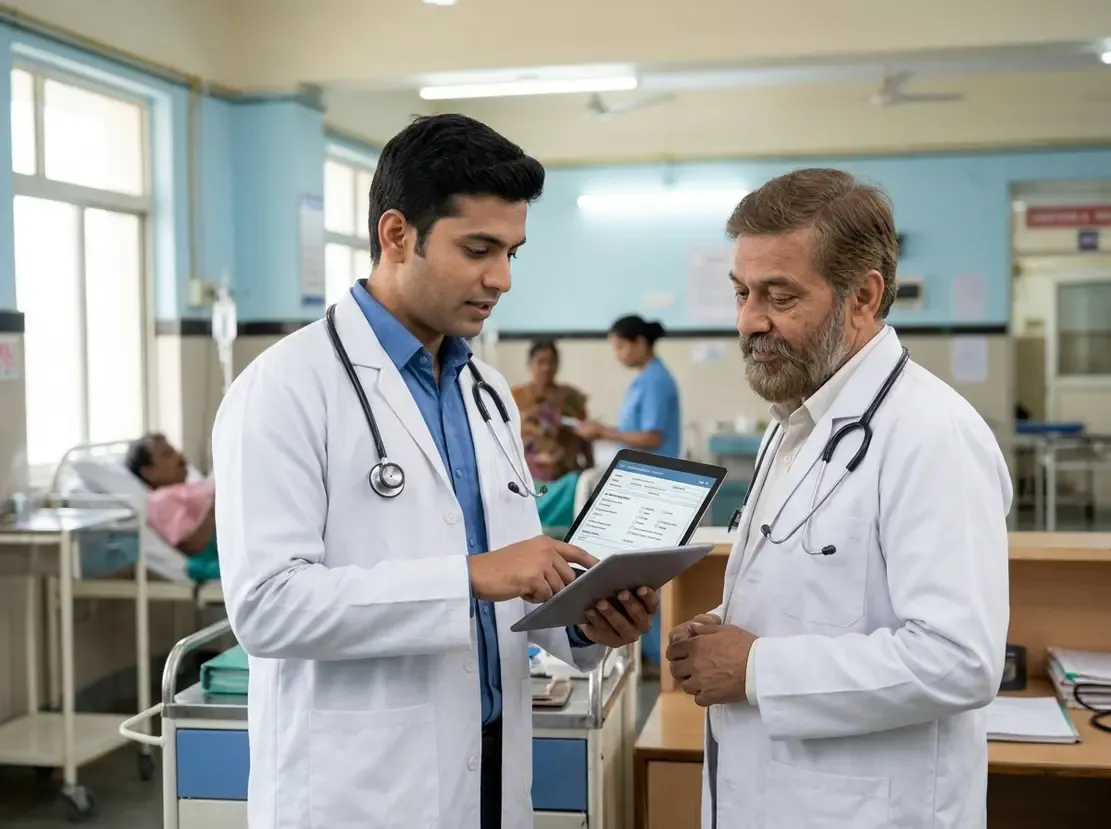
Union Health Minister J P Nadda recently addressed the 15th convocation ceremony of JIPMER in Puducherry. Furthermore, he strongly advocated adopting e-prescriptions to modernize clinical practice across India. He emphasized that society grants professional medical education as a privilege rather than an absolute birthright. Therefore, doctors carry an essential social obligation to serve patients through modern healthcare tools.
The Strategic Importance of Adopting E-Prescriptions
Digital healthcare systems reduce prescription errors and enhance overall clinical governance. Consequently, the Union Ministry is urging clinicians to eliminate handwritten slips. Digital outpatient registration expedites patient intake and reduces hospital waiting times. In addition, electronic records integrate seamlessly with the Ayushman Bharat Digital Mission (ABDM). This platform creates interoperable health records under the ABHA framework. As a result, physicians can securely track longitudinal medical histories with explicit patient consent. Healthcare institutions across the country are upgrading their IT infrastructure to facilitate this vital shift.
Social Responsibility and Medical Education Investments
Medical training requires tremendous public resources and systemic institutional support. For instance, creating a single medical seat costs approximately 1.5 crore rupees over four years. Last year, the Union Cabinet sanctioned 15,000 crore rupees to establish 10,000 new seats. Hence, graduates owe a profound debt to the communities that fund their training. Moreover, public investments have increased the total number of medical colleges from 387 to 863. The government aims to add 75,000 more seats by 2029. Thus, doctors must reciprocate by delivering compassionate, high-quality care to all citizens.
Expanding Public Healthcare Access and Early Screening
India's health coverage programs have drastically lessened financial burdens on vulnerable families. In fact, out-of-pocket healthcare spending dropped from 64 percent to 42 percent nationwide. Ayushman Bharat PM-JAY now provides five lakh rupees in coverage to seniors aged 70 and older. Furthermore, the scheme has successfully funded more than 13 crore hospitalizations. Meanwhile, Ayushman Arogya Mandir centers prioritize preventative public health interventions. Since 2018, frontline teams have screened 42 crore citizens for chronic non-communicable diseases. Consequently, timely detection of hypertension, diabetes, and common cancers protects vulnerable populations.
Frequently Asked Questions
Q1: Why is the government urging doctors to adopt e-prescriptions?
Specifically, electronic prescriptions eliminate handwriting errors, standardize digital records, and ensure seamless continuity of patient care.
Q2: What financial benefits does the Ayushman Bharat program offer to senior citizens?
Additionally, all individuals aged 70 and older receive five lakh rupees in annual coverage regardless of income.
Q3: How much does the government spend on creating a medical seat in India?
In particular, official estimates indicate that each medical seat requires approximately 1.5 crore rupees in public spending over four years.
References
- Nadda urges young doctors to adopt e-prescriptions, join digitisation drive - ETHealthworld
- Union Health Minister Shri J.P. Nadda Dedicates Healthcare and Institutional Projects Worth Over ₹172 Crore to the Nation; Addresses 15th Convocation of JIPMER, Puducherry - Press Information Bureau (PIB)
- Health Minister J. P. Nadda urges young doctors to adopt electronic prescriptions & help digitise patients' medical records under ABHA system - Akashvani News


