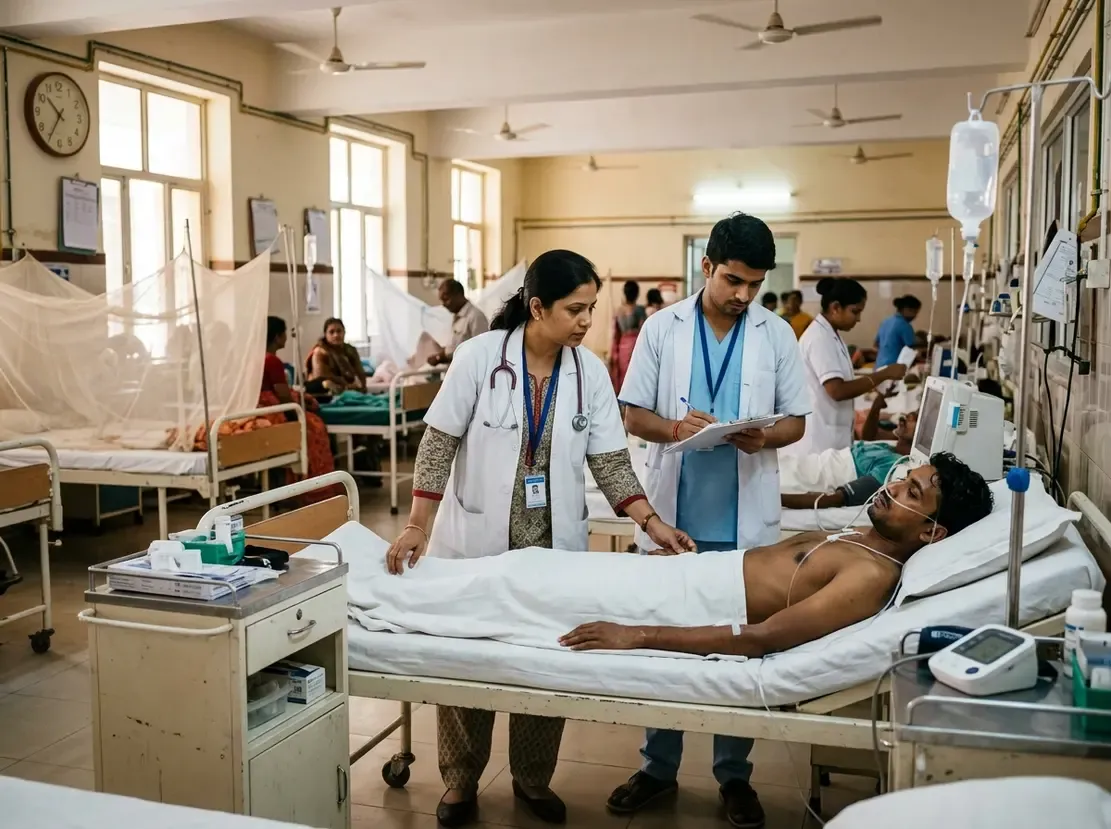
Why Kerala Is Prioritising Affordable Cancer Diagnostics
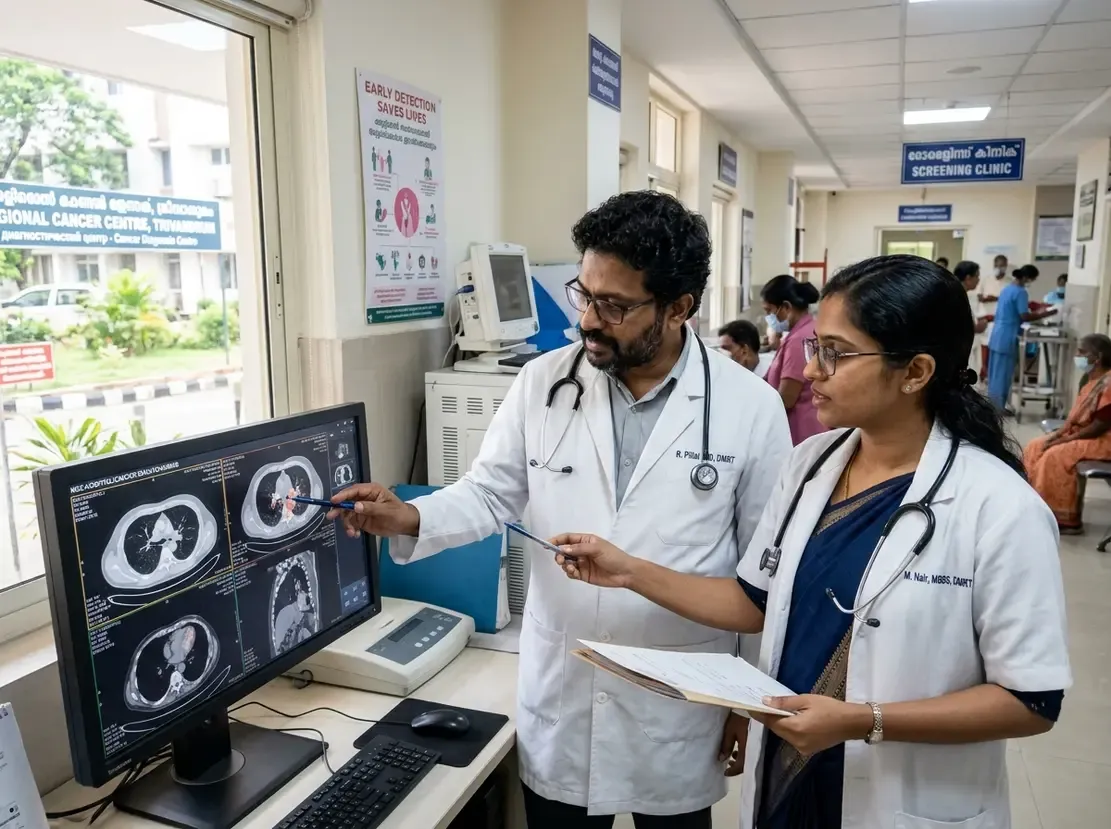
The Government of Kerala is planning a widespread rollout of affordable cancer diagnostics across public healthcare institutions. Consequently, policymakers aim to alleviate the catastrophic financial burdens frequently borne by families seeking oncology care in the private sector. Furthermore, this policy roadmap prioritises free diagnostic and screening access for economically weaker sections. By detecting malignancies at earlier stages, clinicians can achieve significantly higher curative rates.
Expanding Affordable Cancer Diagnostics at Regional Centres
Healthcare authorities announced major infrastructure upgrades during the 10th anniversary of the Cochin Cancer Research Centre (CCRC). In addition, the state leadership released Rs 5.25 crore in pending development funds to expedite modern facilities. Originally started in 2016 from modest premises, CCRC will now evolve into a comprehensive treatment and research hub. Moreover, administrators must submit a detailed five-year development blueprint with annual phased milestones. Therefore, public institutions will soon deploy advanced imaging and laboratory machinery to handle rising caseloads. This initiative ensures equitable diagnostic pathways for all socioeconomic groups across central Kerala.
Clinical Impact of Quality Generics and Early Detection
The high cost of proprietary antineoplastic therapy frequently destabilises household finances. Thus, public healthcare facilities are strengthening their procurement of quality-assured generic medicines. Clinicians recognise that generic oncology drugs provide proven therapeutic equivalence while drastically cutting out-of-pocket expenses. Furthermore, medical leaders emphasise that primary prevention must accompany therapeutic advancements. Because Kerala observes a high incidence of non-communicable malignancies, early diagnosis remains critical to long-term survival. As a result, routine community-level screenings can detect pre-malignant lesions before aggressive metastasis occurs. Strengthening primary health networks will consequently reduce emergency admissions and enhance skills taught in a Certification Course In Clinical Oncology across the state.
Frequently Asked Questions
Q1: Why is Kerala expanding public oncology diagnostics?
Private diagnostic services often impose devastating expenses on families. Therefore, public facilities aim to deliver affordable cancer diagnostics and offer free access to economically vulnerable patients.
Q2: How does the development of CCRC aid cancer management?
The five-year plan for CCRC expands specialized research and treatment infrastructure. In addition, the institute investigates local epidemiological trends to guide regional preventive protocols.
Q3: Why are generic medicines vital in cancer care?
Quality-assured generic drugs provide identical clinical efficacy to branded therapeutics. Consequently, they preserve family financial stability and encourage sustained treatment adherence without heavy debts.
References
- Keralam plans affordable cancer diagnostics, focus on early detection - ETHealthworld
- Cochin Cancer Research Centre will be developed into centre of excellence, says Chief Minister V.D. Satheesan - The Hindu
- Kerala govt's cancer-screening drive identifies over 58k for follow-up - The New Indian Express
- Leveraging Local Self-Government for Implementing Cancer Screening and Continuum of Care – A Model from Kerala State, India - Central India Journal of Medical Research