
India's Outdated Air Pollution Limits Demand Rapid Reform
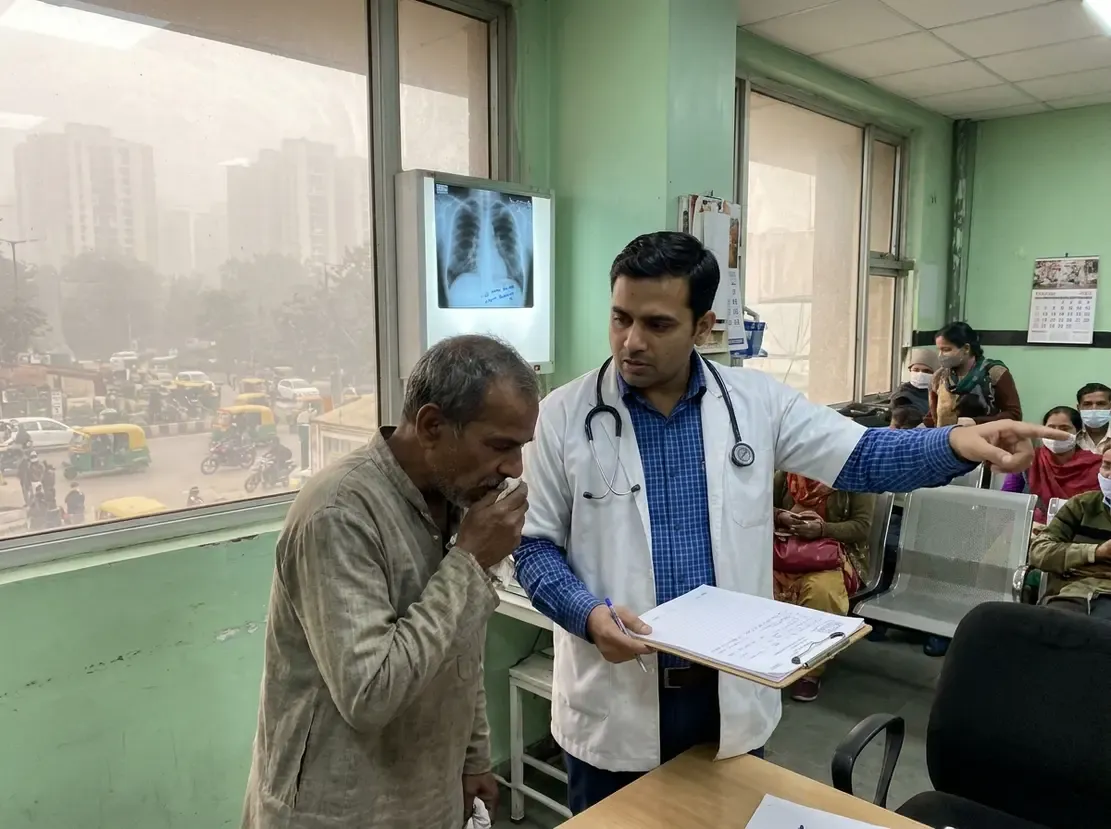
India currently enforces National Ambient Air Quality Standards notified back in 2009. Consequently, clinical specialists face growing challenges when evaluating patient vulnerability to modern toxic exposures. The official review of India's national air pollution standards has dragged on for several years. Therefore, public health experts continue to sound the alarm on outdated exposure thresholds.
The Widening Gap in Air Pollution Standards
Significantly, the World Health Organization updated its global benchmarks in 2021. In contrast, India's annual PM2.5 threshold remains fixed at 40 micrograms per cubic metre. This figure is eight times higher than the WHO limit of 5 micrograms per cubic metre. Moreover, the national PM10 benchmark permits up to 60 micrograms per cubic metre. That limit quadruples the international recommendation of 15 micrograms per cubic metre. As a result, millions of citizens breathe air that health agencies consider dangerous.
Furthermore, the regulatory delay leaves critical gaps in monitoring lethal pollutants. Industrial hubs release volatile chemicals alongside particulate emissions every day. However, current statutory limits fail to address ultrafine particles adequately. Clinicians frequently encounter cardiovascular events and respiratory infections driven by chronic exposure. Thus, establishing stricter thresholds has become an immediate clinical imperative.
Regulatory Bottlenecks and Scientific Delays
In 2020, the Central Pollution Control Board formed a steering committee to review the standards. Subsequently, an expert panel led by IIT Kanpur began revising ambient limits for 12 major pollutants. This collaborative group included specialists from AIIMS and the National Physical Laboratory. Nevertheless, progress remains slow despite multiple panel meetings. Although the team submitted technical drafts, administrative scrutiny continues to delay formal notification.
Meanwhile, environmental researchers emphasize that localized dynamics require distinct regulatory approaches. For instance, northern river basins suffer from severe geographical stagnation and legacy pollution. In fact, total economic lockdowns during 2020 failed to eliminate baseline particulate accumulation. Therefore, many experts propose establishing regional benchmarks instead of relying solely on a single national limit.
Clinical Implications for Healthcare Professionals
Physicians across India treat an expanding caseload of pollution-related conditions. Chronic exposure to particulate matter accelerates endothelial dysfunction, systemic inflammation, and pulmonary decline. In addition, vulnerable groups such as pediatric patients and elderly individuals suffer disproportionate harm. When legal thresholds remain elevated, municipal authorities delay crucial mitigation interventions. Consequently, hospitals experience sudden surges in acute coronary syndromes and severe asthma exacerbations.
Hence, medical professionals must champion stricter national air quality policies. Doctors can educate high-risk patients on personal exposure protection during severe pollution episodes. Furthermore, clinical documentation of environmental triggers helps build robust local epidemiological evidence. Ultimately, adopting aggressive statutory targets will protect vulnerable communities and prevent premature deaths nationwide.
Frequently Asked Questions
Q1: Why is the revision of India's ambient air quality standards delayed?
The revision remains delayed because technical reports from IIT Kanpur and partner institutes remain under evaluation by a steering committee. Consequently, the government has not yet formally notified the revised criteria.
Q2: How do current Indian PM2.5 limits compare to WHO guidelines?
India sets its annual PM2.5 limit at 40 micrograms per cubic metre. In contrast, the WHO recommends an annual limit of 5 micrograms per cubic metre, making Indian thresholds eight times higher.
Q3: Why are ultrafine particles important in new air pollution regulations?
Ultrafine particles penetrate deep into alveolar spaces and enter the vascular bloodstream directly. Therefore, regulating them is critical to prevent severe pulmonary and cardiovascular diseases.
References
- New national air pollution standards wait as review drags on for 5 yrs - ETHealthworld
- Press Information Bureau, Government of India. Revision of Air Quality Standards (MoEFCC). February 2022.
- World Health Organization. WHO Global Air Quality Guidelines: Particulate Matter, Ozone, Nitrogen Dioxide, Sulfur Dioxide and Carbon Monoxide. Geneva: WHO; 2021.
- Centre for Policy Research. A Health-Centred Framework for Establishing Ambient Air Quality Standards. September 2023.


