
Why Does Severe Body Pain Peak Earlier Than Expected?
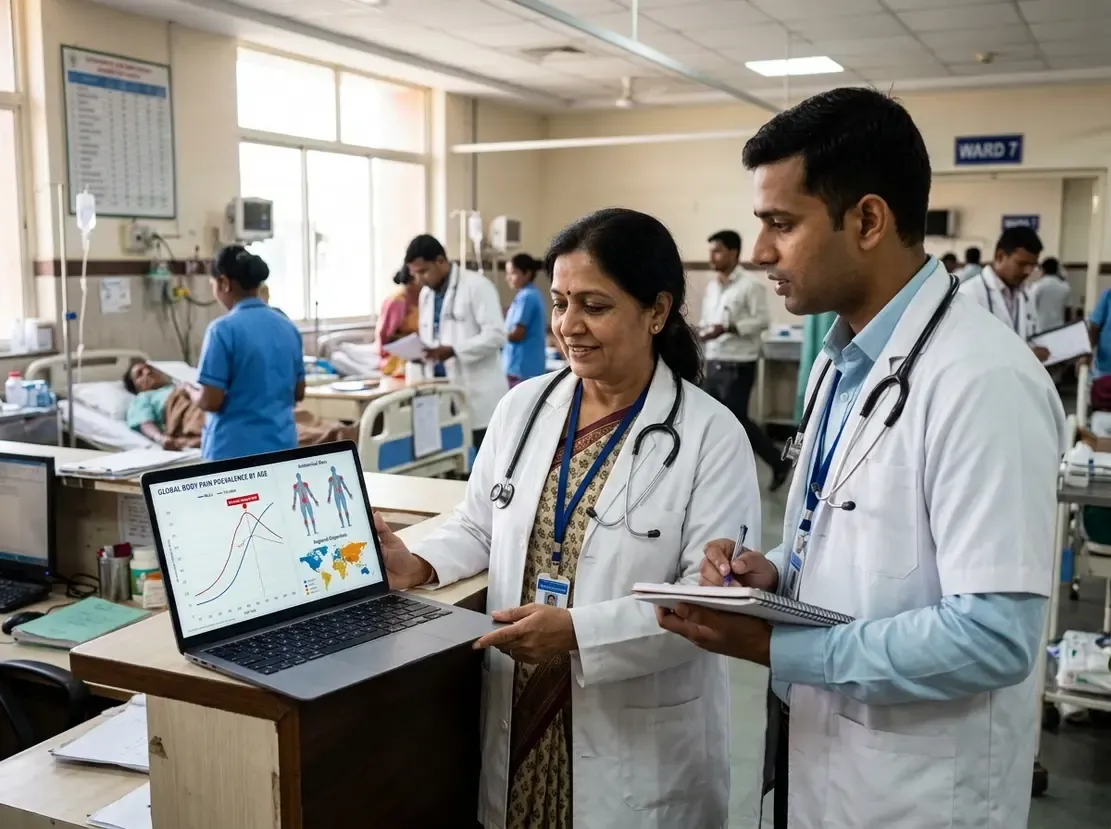
A landmark global study reveals that body pain prevalence does not follow a linear path throughout life. Instead, physical discomfort accelerates most sharply before individuals reach the age of 55 years. Researchers analyzed self-reported records from over six million individuals across 118 nations. Consequently, these findings challenge the long-standing assumption that severe pain primarily plagues advanced old age. Clinicians in primary care now have fresh insights to rethink early intervention strategies.
Shifting Trends in Body Pain Prevalence
Pain trajectories differ significantly across various anatomical locations and stages of adulthood. For instance, headaches and abdominal pain tend to peak early during reproductive and working years. In contrast, musculoskeletal complaints involving the back, hips, and knees continue to escalate into older age. Low back pain remains the single most common complaint, affecting roughly 40 percent of individuals globally. Meanwhile, facial pain represents the least common presentation, occurring in only two percent of respondents. Therefore, general practitioners must address distinct pain syndromes depending on a patient's exact decade of life.
Pronounced Gender and Socioeconomic Disparities
The analysis revealed consistent gender disparities across all eleven anatomical sites evaluated. Specifically, women reported substantially higher pain rates than men, particularly for headaches and facial pain. In addition, socioeconomic context strongly influences how physical symptoms develop over time. Adults residing in countries with a lower Human Development Index experience much steeper pain trajectories after age 40. By age 80, lower-resource settings demonstrate a 31 percentage point higher pain burden compared to high-income nations. Furthermore, low back pain occurs nearly twice as frequently in these underserved populations.
Clinical Implications for Healthcare Providers
Traditional clinical risk models often cite obesity, manual labor, and smoking as chief culprits. However, these conventional risk factors explain far less of the pain burden in developing nations. Healthcare access barriers and unmanaged repetitive strain may explain these unexplained disparities. Therefore, physicians in countries like India must initiate aggressive ergonomic and preventive counseling much earlier. When doctors wait until retirement age to address musculoskeletal decline, reversible damage often becomes chronic disability. As a result, routine screenings for spinal and joint issues should begin in early adulthood.
Frequently Asked Questions
Q1: Why does body pain prevalence rise most steeply before age 55?
Cumulative occupational stress, untreated repetitive strains, and metabolic changes often accelerate during working years. Consequently, musculoskeletal symptoms manifest rapidly before midlife.
Q2: How do gender differences affect pain reporting globally?
Women consistently report higher pain rates across all anatomical locations. Moreover, hormonal variations, neurobiological differences, and systemic healthcare inequities frequently amplify these observed disparities.
Q3: What role does national socioeconomic status play in chronic pain?
Lower socioeconomic development correlates with severe pain burdens after age 40. Indeed, limited healthcare access, strenuous physical labor, and delayed interventions exacerbate long-term joint and back conditions.
References
- Body pain rises most sharply before age 55, study suggests - ETHealthworld
- Fillingim, M., Vachon-Presseau, E., et al. Global and regional reference curves for pain across the lifespan in 6.1 million individuals in 118 countries. Nature Medicine, 2026.
- McGill University. Pain peaks earlier in life than might have been expected, global study finds. McGill Newsroom, 2026.


