DR Congo Ebola Crisis Tops 4,000 Deaths: Clinical Guide
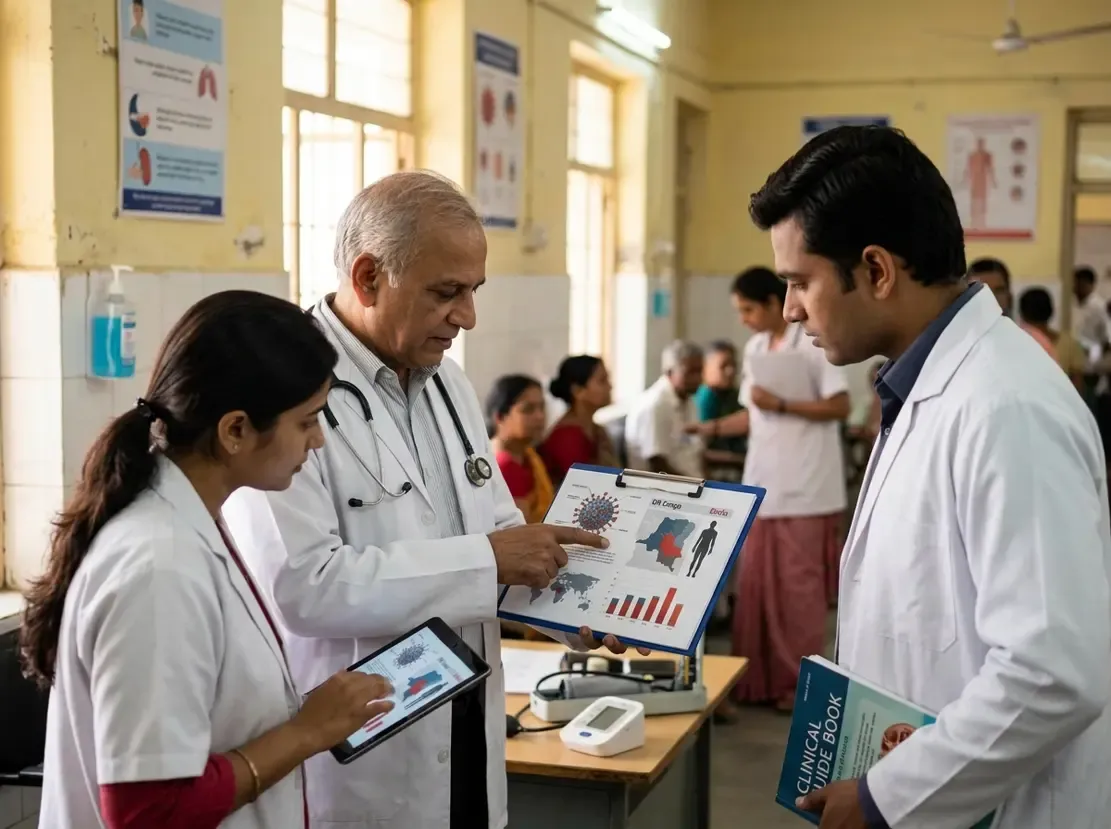
Recent data from the Democratic Republic of the Congo shows that the current Bundibugyo Ebola outbreak has claimed over 4,000 lives. Confirmed cases have now exceeded 8,300 across seven provinces. Consequently, this crisis marks the deadliest epidemic in the nation's history. Furthermore, it now ranks second only to the historical 2014–2016 West African epidemic. While transmission in Ituri province slowed recently, cases continue to emerge rapidly in neighboring North Kivu. Additionally, health authorities confirmed spread to South Ubangi province following travel from eastern regions.
Scale of the Bundibugyo Ebola Outbreak
The Bundibugyo species poses significant therapeutic challenges. Specifically, licensed vaccines like Ervebo target the Zaire ebolavirus species rather than Bundibugyo. Therefore, clinical teams cannot rely on standard pre-exposure or ring vaccination regimens. Similarly, monoclonal antibody therapies like Inmazeb offer unproven efficacy against this strain. However, healthcare workers have successfully discharged over 2,000 recovered patients through early supportive therapy. Aggressive fluid resuscitation and electrolyte correction form the bedrock of clinical survival. Consequently, prompt triage remains critical to reduce mortality.
Clinical Profile and Diagnostic Challenges
Patients initially present with nonspecific symptoms such as high fever, fatigue, myalgia, and headache. Subsequently, gastrointestinal manifestations develop, including persistent vomiting and watery diarrhea. In severe cases, vascular permeability causes hypovolemic shock, multiorgan dysfunction, and mucosal hemorrhage. Therefore, clinicians must maintain a high index of suspicion for returning international travelers. For example, acute febrile illness in an individual traveling from Central Africa demands immediate isolation. Furthermore, clinicians must promptly notify institutional infection control teams before conducting invasive tests.
Surveillance and Protocol for Indian Clinicians
Indian physicians must integrate detailed travel histories into emergency room workflows. Specifically, travelers returning from the Democratic Republic of the Congo require immediate screening under national guidelines. If a patient presents with unexplained fever, clinicians must enforce strict contact and droplet precautions immediately. Moreover, healthcare facilities should avoid routine venipuncture until clinicians establish designated isolation protocols. Samples require transport to designated apex laboratories like the National Institute of Virology. As a result, robust surveillance shields health systems from potential imported filovirus transmission.
Frequently Asked Questions
Q1: What makes the Bundibugyo virus different from other Ebola strains?
Bundibugyo ebolavirus is one of several filovirus species causing severe hemorrhagic fever. Importantly, current monoclonal antibodies and licensed vaccines target the Zaire strain and show uncertain efficacy against Bundibugyo.
Q2: How should an Indian hospital handle a suspected Ebola case?
Clinicians must isolate the patient in a negative-pressure or dedicated room immediately. Furthermore, staff must use full personal protective equipment and notify the National Centre for Disease Control.
Q3: What supportive treatments improve survival in Bundibugyo virus infection?
Early intravenous fluid replacement, electrolyte correction, and targeted organ support significantly improve survival rates. Therefore, prompt clinical intervention remains the primary therapeutic strategy.
References
- Congo's Ebola outbreak has killed more than 4,000, government data shows - ETHealthworld
- World Health Organization. Ebola disease caused by Bundibugyo virus - Democratic Republic of the Congo. Disease Outbreak News, September 2026.
- Centers for Disease Control and Prevention. Clinical Guidance for Ebola Disease, May 2026.