DRC Faces Historic Surge as Ebola Cases Top 5,000
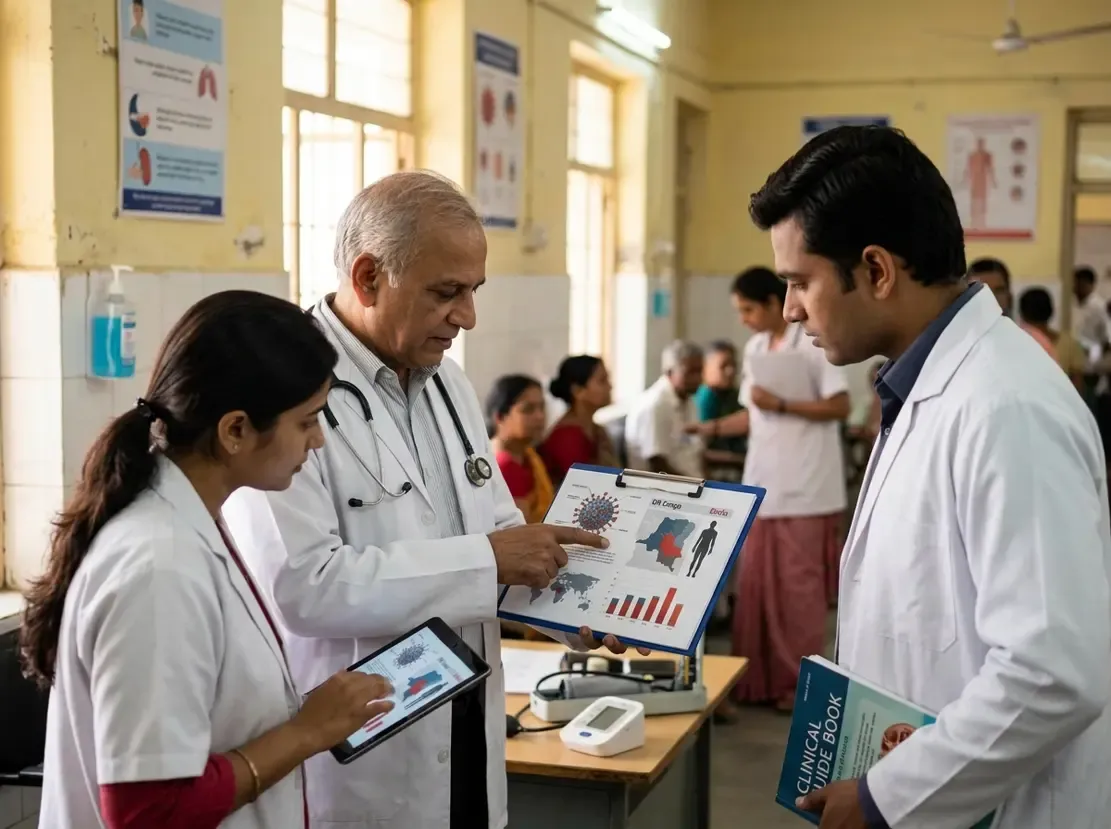
Currently, the Democratic Republic of the Congo is confronting a severe public health emergency as the Bundibugyo Ebola outbreak exceeds 5,000 reported cases. Consequently, health officials warn that containment measures face mounting obstacles across affected provinces. Furthermore, the death toll has climbed past 2,300, making this epidemic the country's largest on record.
Epidemiological Scale of the Bundibugyo Ebola Outbreak
Government surveillance data indicates that confirmed infections have reached 5,021 individuals. Therefore, this epidemic represents the second-largest Ebola crisis globally, behind only the 2014–2016 West African outbreak. In addition, the crude case fatality rate remains elevated near 47 percent. Insecurity and community displacement in eastern provinces continue to accelerate transmission. Meanwhile, local response teams face significant logistical barriers and civil unrest.
Clinical Profile and Therapeutic Limitations
Notably, the Bundibugyo species of ebolavirus causes this current crisis. Clinicians must recognize that existing licensed vaccines and monoclonal antibodies target the Zaire species instead. Therefore, healthcare providers cannot deploy standard counter-measures like Ervebo for Bundibugyo infections. As a result, clinical management relies strictly on aggressive supportive care. Specifically, patients require early fluid resuscitation, electrolyte correction, and symptomatic organ support.
Global Clinical Implications and Vaccine Research
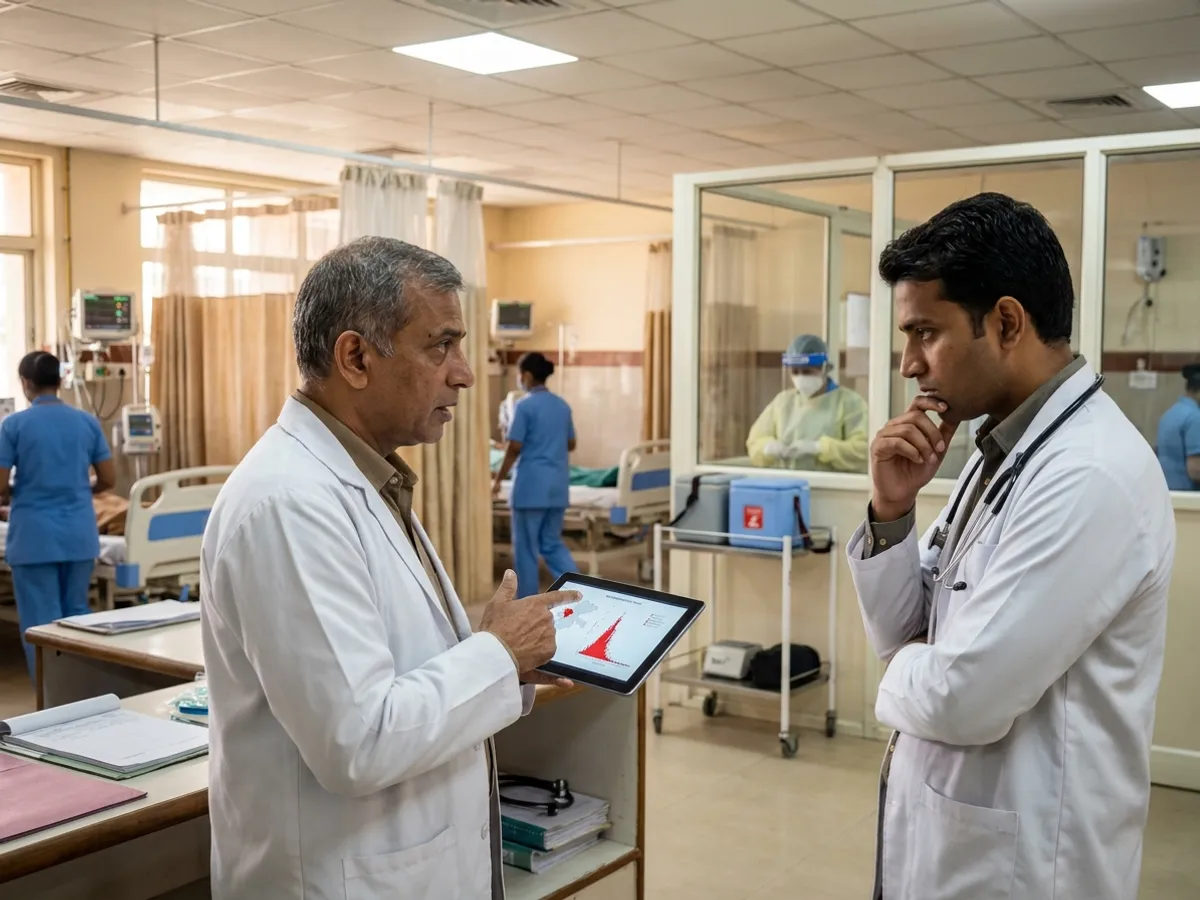
Importantly, researchers are accelerating early-stage clinical trials for candidate Bundibugyo vaccines. However, international surveillance remains vital for physicians managing international travel medicine. Healthcare teams should maintain high suspicion for acute hemorrhagic fever in travelers returning from Central Africa. Thus, early isolation and strict infection prevention protocols remain essential to prevent secondary transmission.
Frequently Asked Questions
Q1: Why is the Bundibugyo Ebola outbreak particularly challenging to treat?
Currently, no approved vaccines or targeted monoclonal antibody therapies exist for the Bundibugyo species, requiring clinicians to rely entirely on early supportive care.
Q2: What are the primary symptoms of Bundibugyo Ebola virus infection?
Initial symptoms include sudden high fever, profound fatigue, and muscle pain, which often progress to vomiting, severe diarrhea, and hemorrhagic manifestations.
References
- Ebola cases in Congo exceed 5,000, government data shows - ETHealthworld
- World Health Organization. Disease Outbreak News: Ebola disease caused by Bundibugyo virus - Democratic Republic of the Congo. August 2026.
- Centers for Disease Control and Prevention. Bundibugyo ebolavirus Clinical Overview and Infection Control. August 2026.