Congo Ebola Toll Hits 9,000 as Bundibugyo Strain Spreads
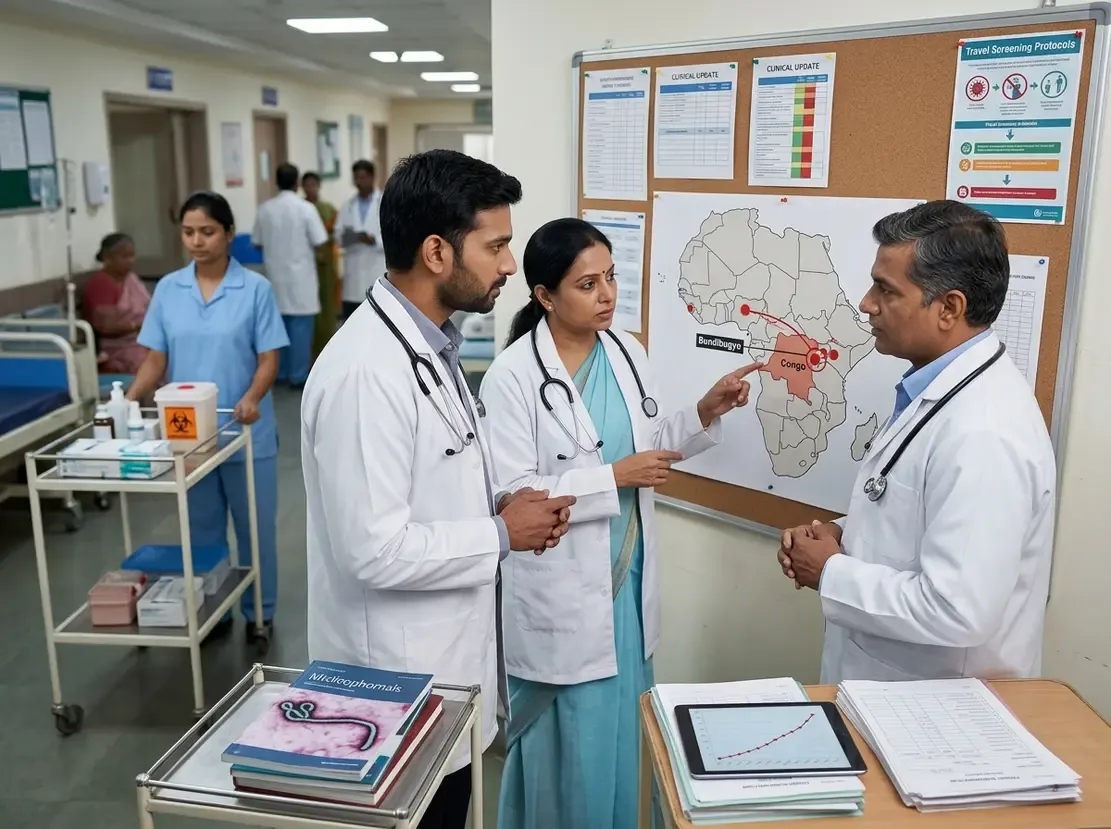
The ongoing Bundibugyo Ebola outbreak in the Democratic Republic of Congo has crossed 9,000 infections. Consequently, health authorities face unprecedented hurdles across multiple transmission hotspots. Recent government surveillance confirms over 4,380 deaths during this historic public health crisis. Furthermore, this epidemic now ranks as the deadliest outbreak in Congolese history.
Epidemiology of the Bundibugyo Ebola Outbreak
The outbreak began in May and rapidly surpassed previous infection records. Specifically, the Bundibugyo ebolavirus drives this surge, which carries an estimated 48% case fatality rate. Moreover, active transmission spans several provinces, including Ituri and North Kivu. Cross-border movements have already introduced isolated cases into neighboring nations such as Kenya and Uganda. Therefore, regional surveillance systems remain on high alert.
Therapeutic Challenges and Vaccine Gaps
Unlike the Zaire ebolavirus, the Bundibugyo species lacks approved vaccines or specific antiviral therapeutics. Currently, clinical teams depend primarily on rigorous supportive care and rapid fluid resuscitation. However, international research coalitions have launched adaptive platform trials to evaluate experimental candidates. In addition, mobile field teams face severe logistic disruption from ongoing local security conflicts. Thus, community engagement and early triage remain essential containment pillars.
Clinical Vigilance and Global Health Preparedness
Clinicians worldwide must maintain heightened suspicion when evaluating febrile travelers arriving from Central Africa. For example, symptoms often begin with sudden fever, severe fatigue, myalgia, and gastrointestinal distress. Consequently, prompt isolation prevents nosocomial exposure in acute care facilities. Additionally, healthcare facilities should reinforce standard contact and droplet precautions during triage. As a result, robust infection control protocols protect frontline staff against accidental exposure.
Frequently Asked Questions
Q1: What distinguishes the Bundibugyo Ebola strain from the Zaire strain?
The Bundibugyo ebolavirus is a distinct viral species within the Ebolavirus genus. Unlike the Zaire strain, it lacks approved monoclonal antibodies and licensed prophylactic vaccines.
Q2: How does the Bundibugyo strain spread among individuals?
Transmission occurs through direct contact with blood, body fluids, or contaminated medical equipment. Furthermore, close contact during burial rituals can significantly accelerate community transmission.
Q3: What clinical protocols should hospitals follow for suspected cases?
Clinicians must immediately isolate suspected patients in designated airborne or contact isolation rooms. Moreover, staff should follow strict personal protective equipment protocols and notify health authorities without delay.
References
- Congo's Ebola infections surpass 9,000, government report shows - ETHealthworld
- Ebola disease caused by Bundibugyo virus - Democratic Republic of the Congo - World Health Organization (WHO)
- Ebola cases top 9,000 in DR Congo outbreak - Center for Infectious Disease Research and Policy (CIDRAP)