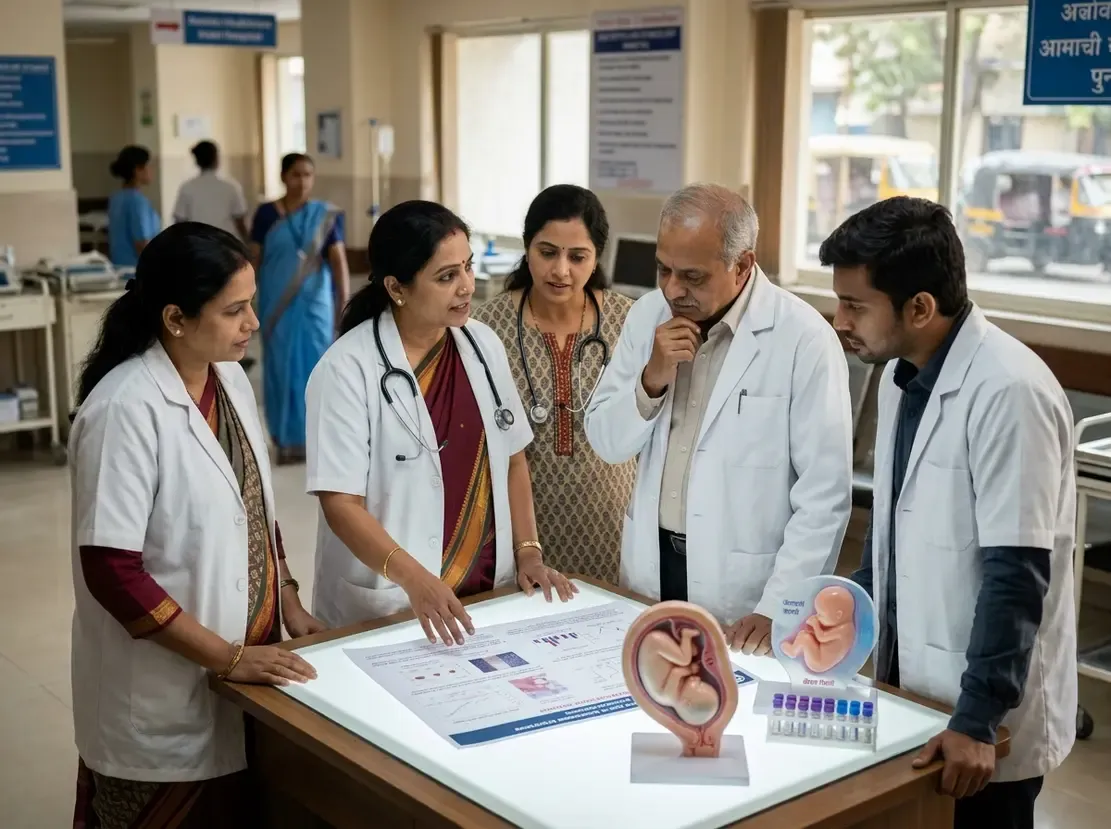
CGHS Diagnostic Lab Rules Spark Debate on Double Standards
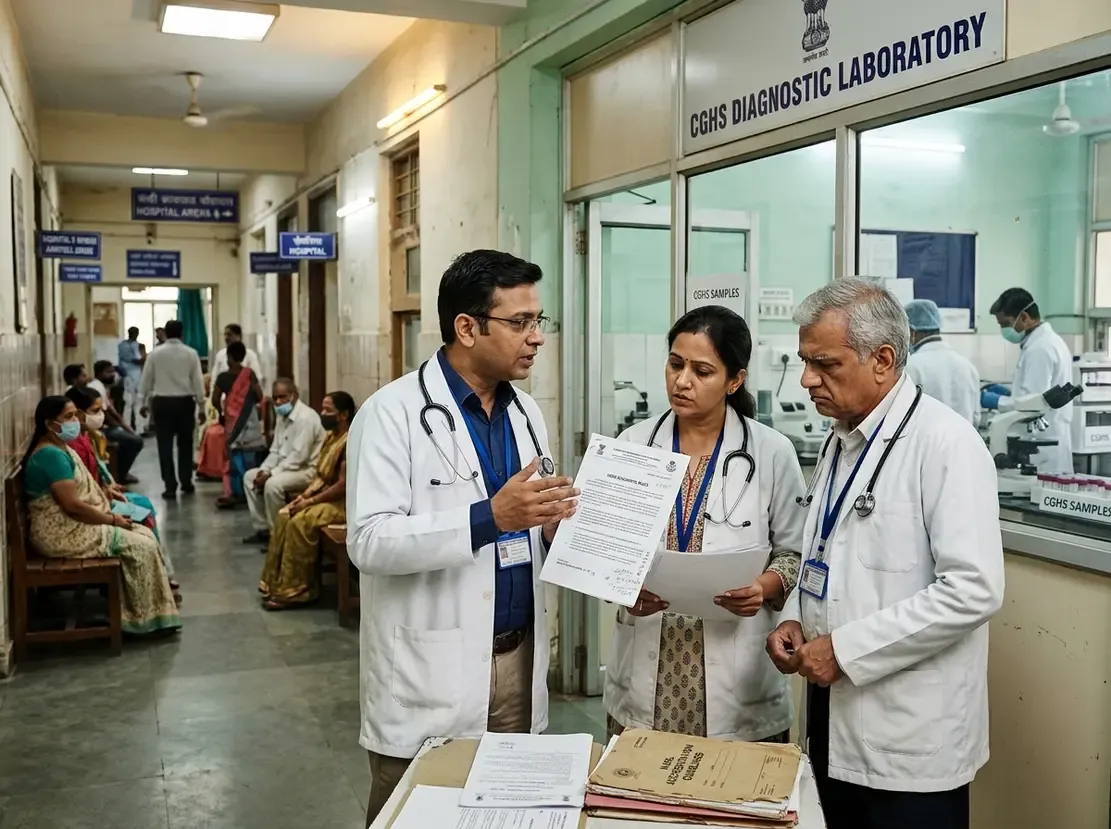
The Ministry of Health and Family Welfare recently enforced stringent diagnostic lab rules for facilities empanelled under the Central Government Health Scheme. Consequently, this policy move has triggered widespread controversy across the medical community. Health advocates and pathologists argue that these rigorous mandates highlight significant regulatory double standards in India. While government scheme beneficiaries receive high-quality oversight, millions of self-paying citizens continue to face unchecked diagnostic risks.
CGHS Diagnostic Lab Rules and Empanelment Benchmarks
To qualify for empanelment, laboratories must possess mandatory National Accreditation Board for Testing and Calibration Laboratories accreditation. Furthermore, the guidelines demand full-time qualified pathologists and dedicated quality managers. Empanelled centres must also meet strict daily patient volumes. Specifically, facilities in Tier I cities must handle at least 100 patients daily. Similarly, laboratories in Tier II and Tier III cities must maintain 50 patients each day. Additionally, the guidelines mandate advanced equipment. Laboratories must deploy automated biochemistry analysers, five-part haematology instruments, and specialized microbiology units. Therefore, the ministry ensures top-tier analytical precision exclusively for central government beneficiaries.
Discrepancies with the Clinical Establishment Act
In contrast, standard public laboratories operate under the Clinical Establishments Amendment Rules of 2018 and 2020. These general statutory rules classify diagnostic laboratories into basic composite, medium, and advanced categories. However, these baseline standards do not mandate universal accreditation. Moreover, they do not require every laboratory to employ a full-time pathologist. Instead, the central rules permit experienced MBBS graduates and postgraduate science degree holders to supervise basic testing. Consequently, non-medical signatories often release pathology reports simply by attaching a diagnostic disclaimer. Medical bodies warn that this permissive approach fosters widespread diagnostic discrepancies across private healthcare. As a result, commercial laboratories routinely deliver unsupervised reports to ordinary patients without robust medical verification.
Clinical Implications and Pathologist Concerns
Consultant pathologists have formally protested against this pronounced disparity in health standards. For instance, diagnostic specialists recently submitted representations to central authorities highlighting consumer vulnerability. Because accurate clinical management depends directly on laboratory reliability, erroneous testing leads to misdiagnosis and inappropriate therapy. Furthermore, public health watchdogs argue that strict protocols must apply across all diagnostic centres uniformly. If stringent infrastructure protects government employees, the general populace deserves equivalent clinical safeguards. Thus, professional associations continue to urge immediate nationwide implementation of uniform quality control standards.
Frequently Asked Questions
Q1: Why are diagnostic lab rules stricter for CGHS empanelment?
The health ministry enforces NABL accreditation and full-time pathologists to eliminate fraud and guarantee superior quality for beneficiaries.
Q2: How do the Clinical Establishment Rules differ from CGHS guidelines?
The Clinical Establishment Rules permit non-medical personnel to sign basic reports, whereas CGHS strictly mandates specialized pathologists and external accreditation.
Q3: Why are doctors raising double standards concerns regarding diagnostic laboratories?
Doctors argue that every citizen deserves the same diagnostic accuracy, quality control, and pathologist oversight guaranteed to government beneficiaries.
References
- Stricter diagnostic lab rules for CGHS fuel double standards charge - ETHealthworld
- Gazette Notification of Clinical Establishments (Central Government) Amendment Rules, 2018 - Ministry of Health and Family Welfare, Government of India
- Gazette Notification of Clinical Establishments (Central Government) Amendment Rules, 2020 - Directorate General of Health Services, MoHFW