Why Five Unrelated Illnesses Share Devastating Fatigue
Why Five Unrelated Illnesses Share Devastating Fatigue
Many clinicians regularly treat debilitating fatigue in conditions ranging from post-viral states to autoimmune flare-ups. Recently, a major study revealed that chronic exhaustion in five distinct disorders stems from a shared biological process. Researchers examined post-traumatic stress disorder, long COVID, rheumatoid arthritis, chronic fatigue syndrome, and multiple sclerosis. Consequently, these findings provide long-awaited biological validation for patients across the globe.
How 3D Genomics Connects Chronic Exhaustion
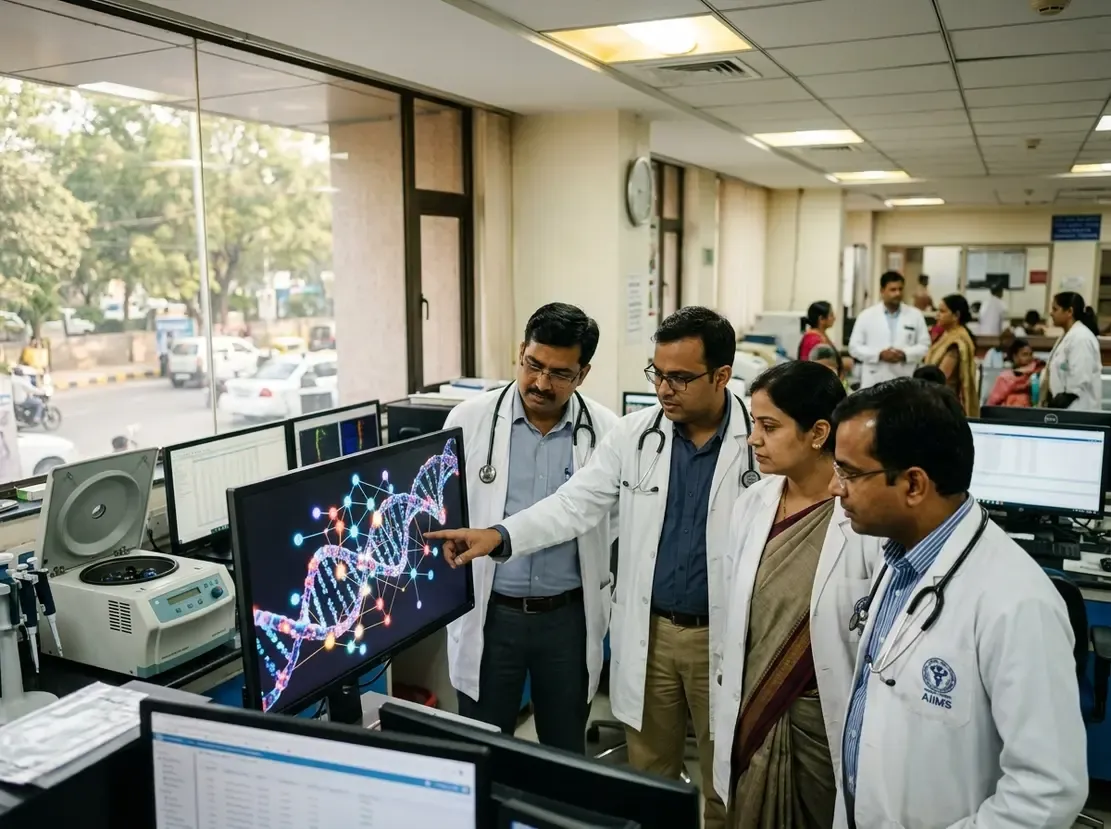
Clinicians often view these five illnesses as unrelated conditions with distinct triggers. For example, viral infections trigger long COVID, whereas severe psychological trauma provokes PTSD. Furthermore, autoimmune reactions drive rheumatoid arthritis and multiple sclerosis. However, traditional linear genetics failed to detect direct gene overlap among these conditions. Therefore, investigators deployed three-dimensional genomic mapping to evaluate chromosomal conformations. This innovative method showed that distant DNA contact points converge into identical regulatory circuits.
Shared Cellular Pathways and Biological Systems
The study uncovered striking convergence within five essential physiological networks. Specifically, altered genomic architecture disrupts mitochondrial energy synthesis and cellular metabolism. In addition, the dysregulation impairs immune signalling and neuroendocrine stress pathways. Thus, distinct initiating insults funnel into identical cellular failure modes. When these networks remain persistently dysregulated, patients develop profound, unyielding fatigue.
Clinical Implications for Indian Physicians
Presently, clinicians in India frequently encounter overlapping post-viral exhaustion and autoimmune disorders. Often, diagnostic delays occur because standard laboratory panels appear completely normal. However, this network-level discovery validates patient symptoms as objective cellular pathology. Furthermore, understanding these shared regulatory circuits will facilitate targeted diagnostic biomarkers. Ultimately, therapeutic strategies can address cellular resilience and energy pathways across diverse clinical presentations.
Frequently Asked Questions
Q1: Why do diverse illnesses cause identical chronic exhaustion?
Diverse initial triggers disrupt different genes that converge on the same regulatory networks. Consequently, cellular energy production and immune signalling fail in an identical fashion.
Q2: How did researchers discover this shared mechanism?
Scientists used advanced three-dimensional genomic profiling rather than simple linear DNA sequencing. Thus, they observed how folded DNA loops alter shared biological circuits inside living cells.
Q3: Will this discovery lead to new diagnostic blood tests?
Yes, identifying specific epigenetic chromosome conformations enables clinicians to develop blood-based biomarker tests. Furthermore, these tests will improve diagnostic accuracy and guide targeted therapies.
References
- Study links shared process to chronic exhaustion in 5 separate illnesses - ETHealthworld
- Journal of Translational Medicine - Shared biological mechanisms and 3D genomic regulatory architecture in ME/CFS, Long COVID, PTSD, and autoimmune disorders
- Science Media Centre - Expert reaction to study investigating shared biological mechanisms between ME/CFS, Long COVID, PTSD, Rheumatoid Arthritis, and Multiple Sclerosis