Refrigerated Platelets Can Safely Last for Three Weeks
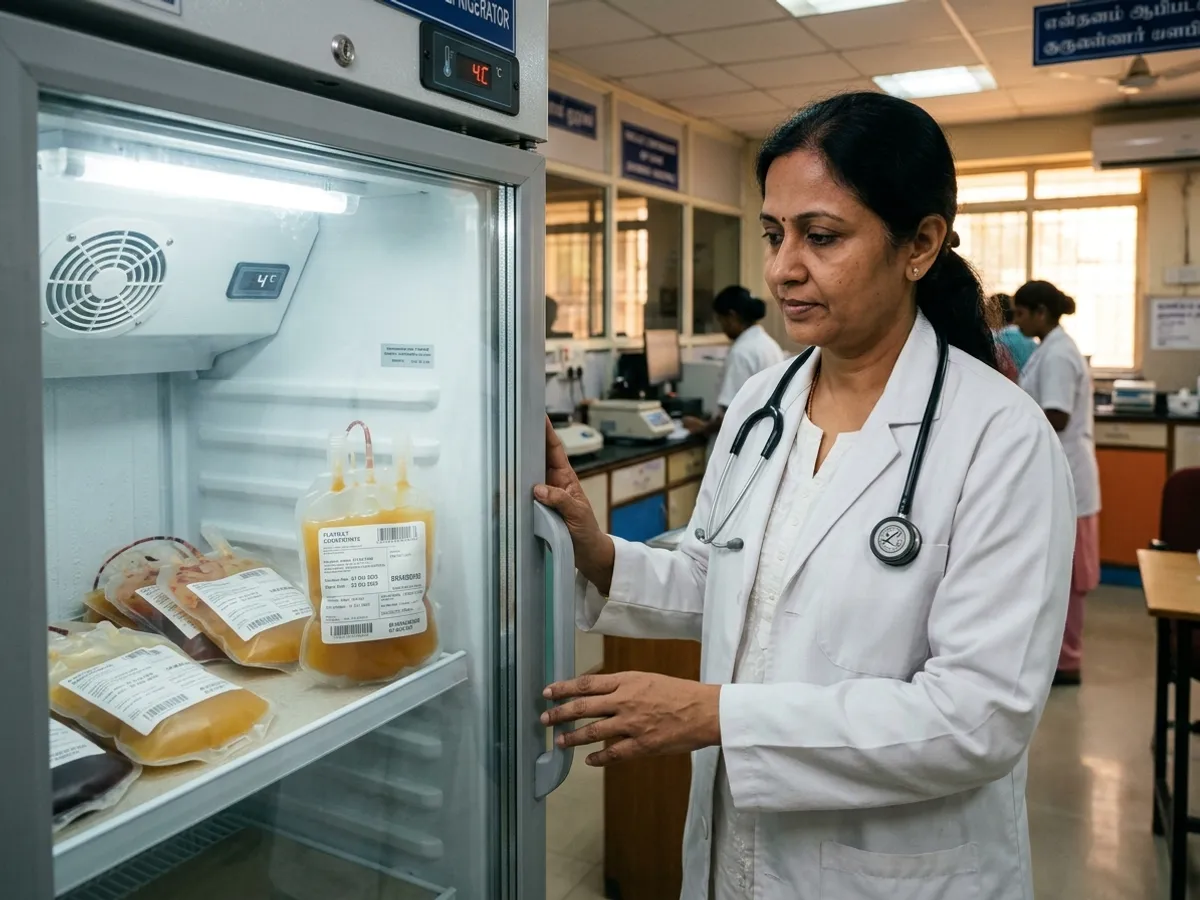
Clinicians rely heavily on donor platelets to manage severe hemorrhage in surgical and trauma settings. However, conventional room-temperature storage limits platelet viability to merely five to seven days. This tight timeframe causes substantial product wastage across blood banks and hospitals globally. Recent evidence indicates that cold-stored platelets offer a transformative alternative for active bleeding. Consequently, extending storage through refrigeration could revolutionize acute transfusion medicine.
The CHIPS Clinical Trial on Cold-Stored Platelets
Researchers evaluated chilled platelets across 27 hospital centers in the United States and Australia. Specifically, the landmark study enrolled 1,000 pediatric and adult cardiac surgery patients requiring cardiopulmonary bypass. Investigators compared room-temperature platelets with units refrigerated at 1 to 6 degrees Celsius for up to 21 days. Notably, cold-stored platelets demonstrated non-inferior hemostatic efficacy compared to traditional room-temperature units. Furthermore, patients experienced similar post-operative bleeding control and 24-hour chest tube drainage volumes.
Clinical Safety and Hemostatic Function
Decades ago, researchers favored room-temperature storage because platelets circulate longer in healthy volunteers. In contrast, actively bleeding surgical patients require immediate clot formation rather than extended circulation time. Cold temperature primes platelets, enhancing their immediate aggregate formation at sites of vascular injury. Additionally, the trial showed no significant differences in thrombotic events, post-surgical morbidity, or patient mortality. Therefore, extending cold storage to three weeks preserves life-saving hemostatic capabilities without adding clinical risk.
Overcoming Blood Banking Logistics and Wastage
Hospitals frequently discard valuable room-temperature units because short shelf lives restrict inventory management. In fact, blood centers waste up to twenty percent of room-temperature collections each year. Smaller community and rural hospitals often cannot justify maintaining platelet stocks due to sporadic emergency demand. Thus, refrigerated storage allows remote centers to maintain emergency supplies for acute hemorrhage. Regulatory agencies are currently reviewing these findings to update clinical transfusion guidelines worldwide.
Frequently Asked Questions
Q1: Why were cold-stored platelets previously restricted to room-temperature storage?
Earlier historical studies suggested that refrigerated platelets cleared more rapidly from systemic circulation. However, subsequent clinical research demonstrates that cold storage primes platelets for immediate clot formation during active hemorrhage.
Q2: How long can cold-stored platelets safely remain in refrigeration?
The recent multi-center trial confirms platelets remain effective for 21 days at 1 to 6 degrees Celsius. Consequently, this extends usable inventory nearly fourfold compared to standard room-temperature storage.
Q3: Does refrigeration increase the risk of thrombotic complications?
Clinical trial data showed no significant increase in thrombotic adverse events or mortality among patients receiving refrigerated platelets. Therefore, chilled platelets offer a safe therapeutic option for managing acute bleeding.
References
- Platelets can be chilled and stored for weeks, not days, study shows - ETHealthworld
- Spinella PC, et al. Cold and Room-Temperature Platelets in Cardiac Surgery: The CHIPS Randomized Clinical Trial. JAMA. 2026.
- Estrera AL, Miller CC. A New Era for Cold-Stored Platelets in Cardiac Surgery. JAMA Surgery. 2026.