
Why India Must Overhaul Its Entire Diabetes Care Model
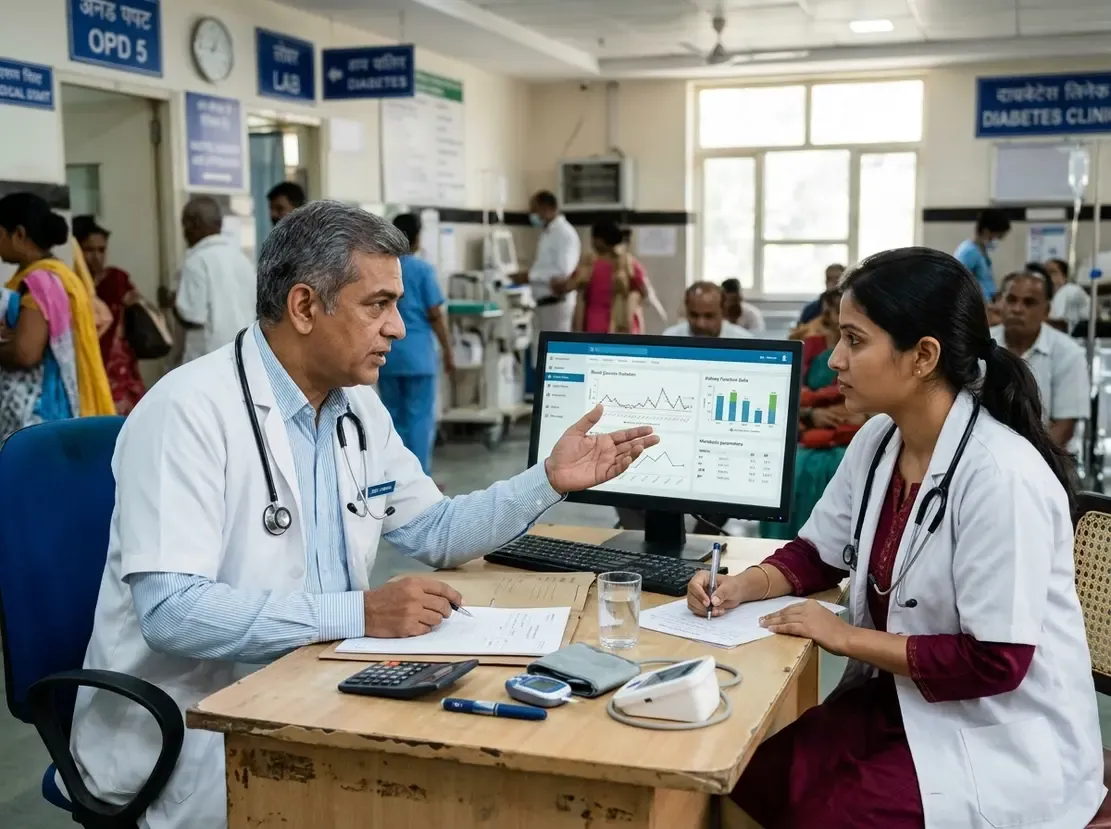
For decades, traditional clinical practice focused almost exclusively on lowering blood glucose levels. However, modern metabolic medicine recognizes that comprehensive diabetes management must address an interconnected web of clinical risks. In India, over 89 million adults live with diabetes, and nearly 43% remain undiagnosed. Furthermore, clinicians often encounter patients presenting with simultaneous hypertension, dyslipidemia, obesity, and renal compromise. Therefore, physicians must look far beyond isolated blood sugar readings.
The Urgent Need for Comprehensive Diabetes Management
Glycated hemoglobin remains a vital clinical benchmark. Nevertheless, treating glucose in isolation fails to prevent catastrophic end-organ damage. The ICMR-INDIAB study revealed a stark clinical gap. Specifically, barely 7.7% of Indian patients achieve target blood glucose, blood pressure, and cholesterol simultaneously. Consequently, clinicians must evaluate the full spectrum of cardiorenal and metabolic risks early. Timely screening upstream allows practitioners to intervene before irreversible vascular complications develop. Hence, every diagnosis should initiate proactive risk management rather than isolated glucose control.
Personalizing Pharmacotherapy and Cardiorenal Protection
Every patient presents with unique clinical parameters, varying disease duration, and distinct socioeconomic constraints. Therefore, clinicians must avoid a rigid, one-size-fits-all prescribing approach. Fortunately, newer pharmacological classes provide superior therapeutic precision beyond simple glycemic control. Sodium-glucose cotransporter 2 inhibitors and glucagon-like peptide 1 receptor agonists deliver proven cardiovascular and renal benefits. In addition, these agents effectively support weight loss while reducing hypoglycemia risk. Clinicians can tailor these modern therapies according to individual risk profiles and economic realities. Thus, targeted therapy substantially alters the long-term prognosis of chronic metabolic disease.
Transitioning From Prescription to Patient Participation
Even the most potent medical regimen fails if patients cannot sustain therapy over time. Indeed, therapeutic complexity, financial stress, and treatment fatigue frequently undermine long-term patient compliance. Physicians remain central to diabetes care; however, the broader healthcare ecosystem must actively reinforce daily management decisions. Diabetes requires daily choices involving nutrition, regular physical activity, and consistent self-monitoring. Moreover, integrating diabetes educators, certified dietitians, and digital tracking tools empowers families to maintain therapy. Ultimately, clinicians must shift the clinical paradigm from passive prescription to active patient participation.
Frequently Asked Questions
Q1: Why is blood glucose control alone insufficient in diabetes care?
Cardiovascular disease, nephropathy, and dyslipidemia frequently co-occur with diabetes. Therefore, managing glycemia alone leaves critical macrovascular and microvascular risks unaddressed.
Q2: What did the ICMR-INDIAB study reveal about metabolic control in India?
The study found that only 7.7% of Indian adults with diabetes meet combined target goals for blood sugar, blood pressure, and LDL cholesterol.
Q3: How do newer antidiabetic agents improve long-term outcomes?
Modern classes like SGLT2 inhibitors and GLP-1 receptor agonists offer proven cardiorenal protection, weight reduction, and lower hypoglycemia risk alongside glycemic reduction.
References
- Why India Needs a New Model of Diabetes Care - ETHealthworld
- Anjana RM, et al. Achievement of guideline recommended diabetes treatment targets and health habits in people with self-reported diabetes in India (ICMR-INDIAB-13): a national cross-sectional study. Lancet Diabetes Endocrinol. 2022.
- Indian Council of Medical Research. ICMR Guidelines for Management of Type 2 Diabetes 2018. New Delhi: ICMR; 2018.


