Congo Ebola Outbreak: 930 Dead in Fast-Growing Crisis
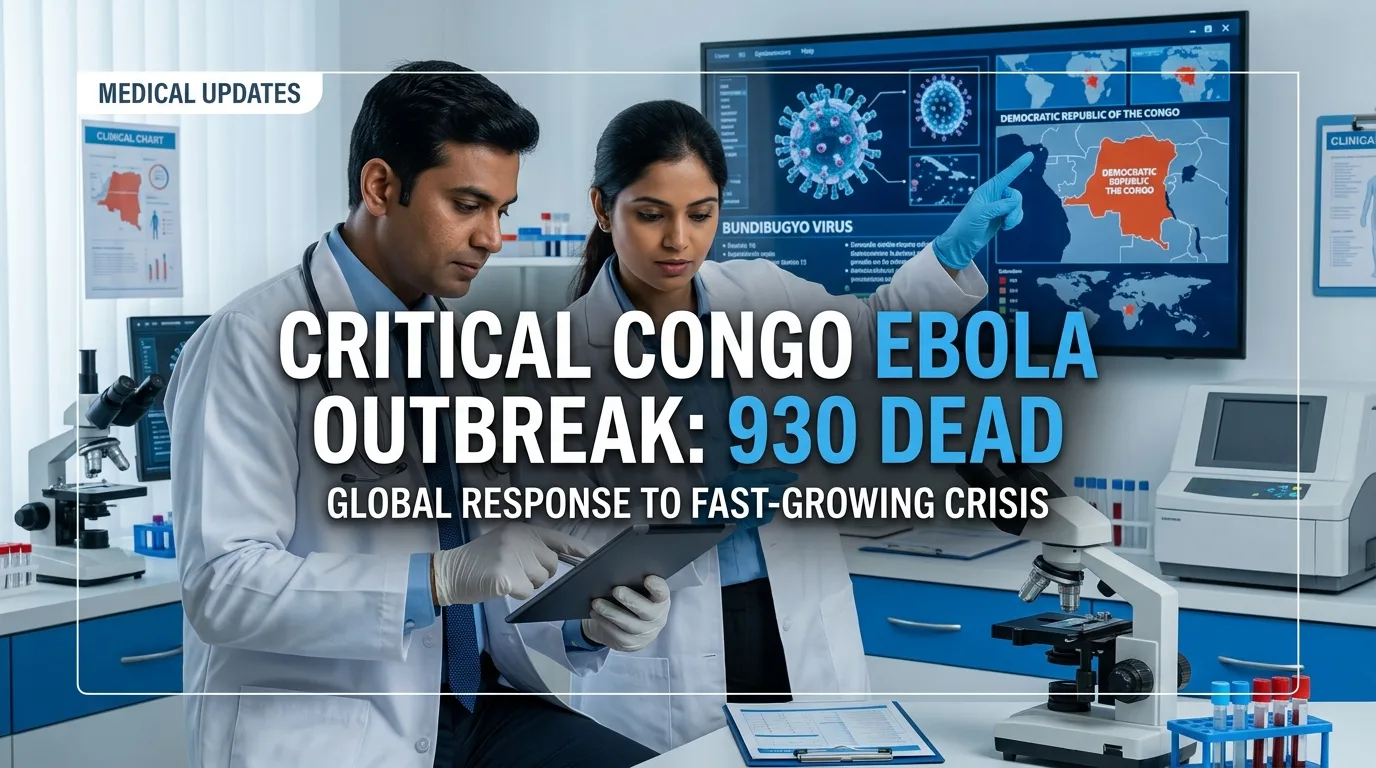
The devastating Congo Ebola outbreak has reached a critical and alarming milestone. Specifically, the country’s health ministry reported that at least 930 people have died in this rapidly expanding crisis. This tragic toll represents a swift rise in infections across 2,344 laboratory cases. Consequently, international health agencies are closely monitoring the situation as local officials struggle to contain the pathogen, a scenario that highlights the vital need for expertise in infectious disease management.
The Strain Behind the Congo Ebola Outbreak
The current Congo Ebola outbreak differs significantly from previous epidemics because it involves the Bundibugyo virus. Historically, this species is less common than the classic Zaire ebolavirus strain. Therefore, medical teams face an uphill battle since no approved vaccine or specific antiviral treatment exists for this strain. Indeed, the lack of certified therapeutics heightens the clinical risks for patients in the region.
Clinical Transmission and Community Risks
Ebola is highly contagious and poses severe health threats to human populations. Generally, wild animals transmit the virus to humans, sparking local chains of transmission. After the initial spillover, the virus spreads among people through direct contact with bodily fluids like vomit, blood, or semen. Furthermore, contact with soiled bedding and clothing can easily infect healthy individuals. Because the disease is severe and often fatal, healthcare systems must quickly isolate suspected patients, often requiring the specialized skills taught in an international post-graduate program in emergency medicine.
Challenges Facing the Healthcare Response
Unfortunately, active rebel violence and community resistance severely hamper the humanitarian response in eastern Congo. For instance, skeptics and rumor-mongers have launched at least 12 attacks against health facilities and tracking teams. Additionally, many local health workers recently walked off their jobs to protest unpaid wages. Consequently, these security and operational challenges have allowed the virus to spread faster than tracking efforts can monitor. Indeed, the World Health Organization warned that 80 percent of new cases arise from completely unknown chains of transmission, complicating the work of those dedicated to intensive care medicine.
Frequently Asked Questions
Q1: What is the primary cause of the current Congo Ebola outbreak?
The current epidemic is caused by the Bundibugyo virus strain. This is a rare species of Ebola that currently lacks an approved vaccine or certified therapeutic treatment.
Q2: How does the Bundibugyo Ebola virus transmit among humans?
Initially, wild animals transmit the virus to people. It then spreads within the human population through direct contact with bodily fluids, such as vomit, blood, or semen, as well as contaminated clothing and bedding.
Q3: Why are medical response teams finding it difficult to contain the virus?
Response teams face severe hurdles, including active armed conflict in eastern Congo, community skepticism leading to attacks on healthcare clinics, and local health workers striking over unpaid salaries.
References
- At least 930 people have died in Congo’s Ebola outbreak – ETHealthworld
- 2026 Ebola epidemic – Wikipedia
- US, Congo Ebola travel restrictions may hamper humanitarian aid response – Moneyweb
- What Travelers Need to Know About the 2026 Ebola Outbreak – VisitorsCoverage
Disclaimer: This article was automatically generated from publicly available sources and is provided for informational and educational purposes only. OC Academy does not exercise editorial control or claim authorship over this content. It is not a substitute for professional medical advice, diagnosis, or treatment. Always consult a qualified healthcare provider and refer to current local and national clinical guidelines.