
Maternal Depression in Pregnancy and Child Brain Health
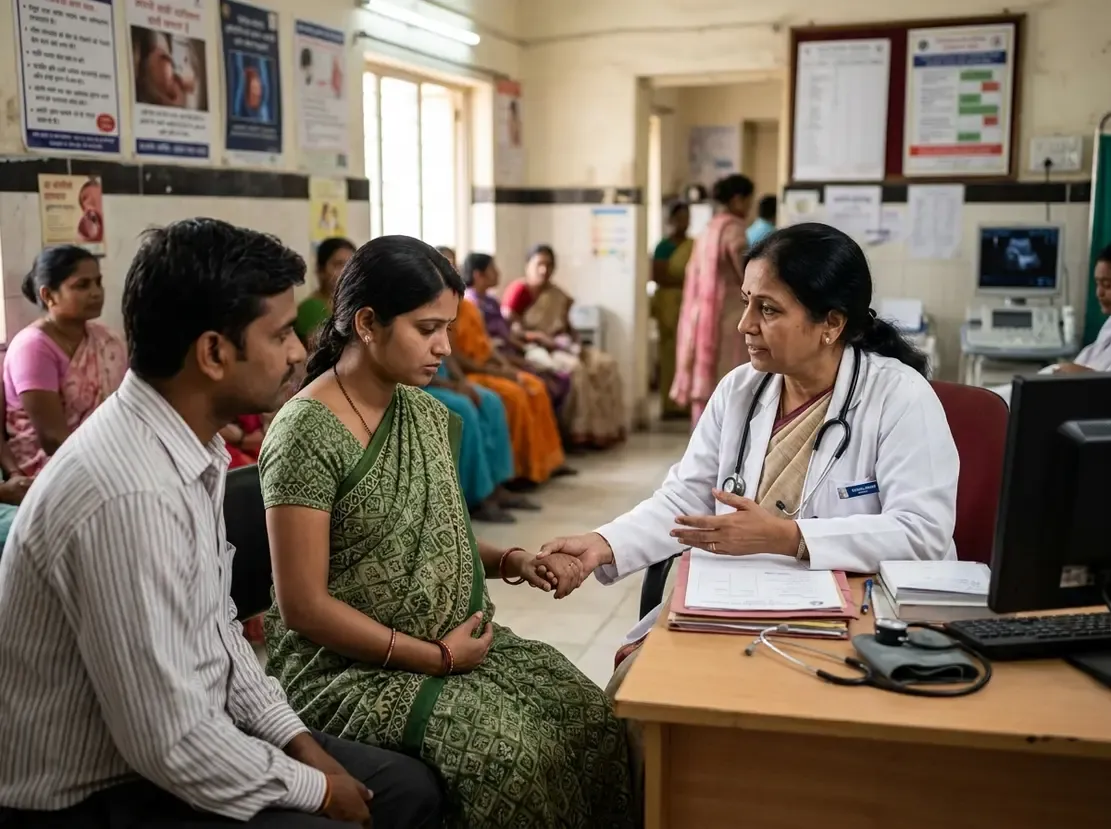
Managing maternal mental health represents a critical priority in perinatal care. Recently, researchers evaluated whether depression during pregnancy directly impacts long-term childhood development. A large cohort study in PLOS Medicine linked maternal illness to higher rates of childhood neurodevelopmental disorders. However, the study revealed that this elevated risk persisted whether mothers received pharmacotherapy or remained untreated.
Examining Depression During Pregnancy and Child Outcomes
Researchers from the University of Glasgow analyzed health and educational records of over 167,000 children born in Wales. Specifically, the team followed these children from birth through 2022 to track educational outcomes. Among children born to mothers with untreated depression, 24 out of 100 required special educational support. In comparison, 20 out of 100 unexposed children developed special educational needs. When mothers took antidepressants, the proportion rose modestly to 27 out of 100 children. Therefore, maternal depression itself accounts for a substantial share of the observed developmental variance.
Disentangling Drug Effects from Maternal Illness
Deciding whether to continue pharmacotherapy during gestation creates significant anxiety for expecting mothers. Furthermore, doctors often struggle to separate the pharmacological risks from underlying psychiatric disease severity. Women who require antidepressant prescriptions typically suffer from more severe depressive episodes. Consequently, confounding by indication may explain much of the small difference between treated and untreated cohorts. In addition, researchers found that antidepressant exposure added only 2.9 excess cases per 100 children among depressed mothers. The investigators noted that this small absolute increase cannot justify abrupt drug cessation.
Clinical Implications for Perinatal Care
Clinicians must carefully weigh the risks of medication against the established dangers of untreated depression. For example, untreated maternal depression dramatically increases the risk of severe postpartum depression and impaired maternal-infant bonding. Moreover, poor maternal mental health frequently correlates with inadequate prenatal nutrition and lower birth weight. Obstetricians and psychiatrists should engage in shared decision-making to tailor management plans for each patient. In addition, early identification of prenatal medication exposure can guide timely developmental monitoring in schools. Ultimately, supportive school environments can help address emerging learning or behavioral difficulties early in life.
Frequently Asked Questions
Q1: Does antidepressant use during pregnancy cause autism or ADHD?
Current evidence indicates that maternal depression itself carries an increased risk of neurodevelopmental conditions. Antidepressants show only a minor additional absolute risk. Furthermore, confounding factors like illness severity likely influence these observations.
Q2: Should pregnant women abruptly stop taking their antidepressants?
No, pregnant women should never stop medication without medical guidance. Discontinuing treatment can trigger depressive relapse. Consequently, untreated depression poses substantial health risks to both the mother and developing fetus.
Q3: What should healthcare providers discuss with pregnant women diagnosed with depression?
Healthcare providers should evaluate individual symptom severity through shared decision-making. In addition, teams should discuss psychological therapies and the stability that medication provides. This balanced approach protects maternal well-being while optimizing child development.
References
- Depression during pregnancy could be related with child's risk ofneurodevelopmental disorder: Study - ETHealthworld
- McIlvride S, Rao N, Singh S, Nelson SM, Pell JP, Fleming M. Prenatal exposure to maternal depression and antidepressants and neurodevelopmental outcomes: A population cohort study. PLOS Med. 2026;23(9):e1004658.
- National Institute for Health and Care Excellence (NICE). Antenatal and postnatal mental health: clinical management and service guidance. Clinical guideline [CG192].


