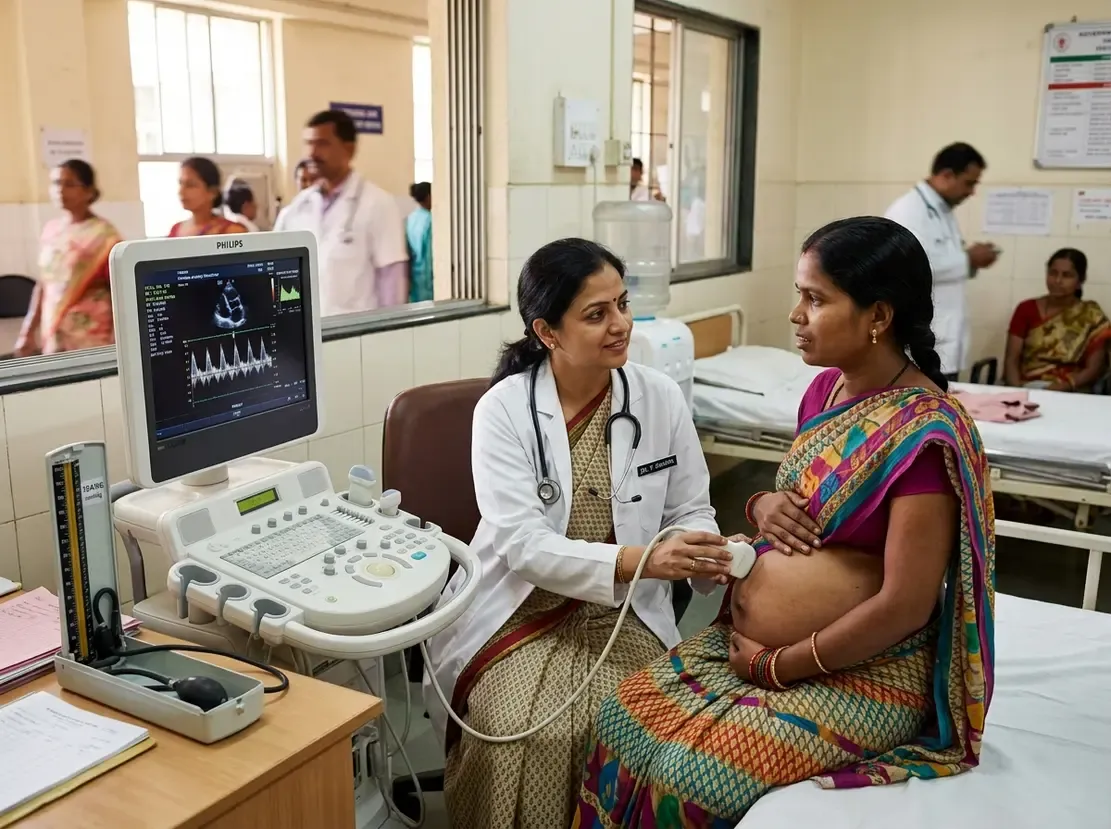
Doula Support: How Continuous Care Improves Childbirth
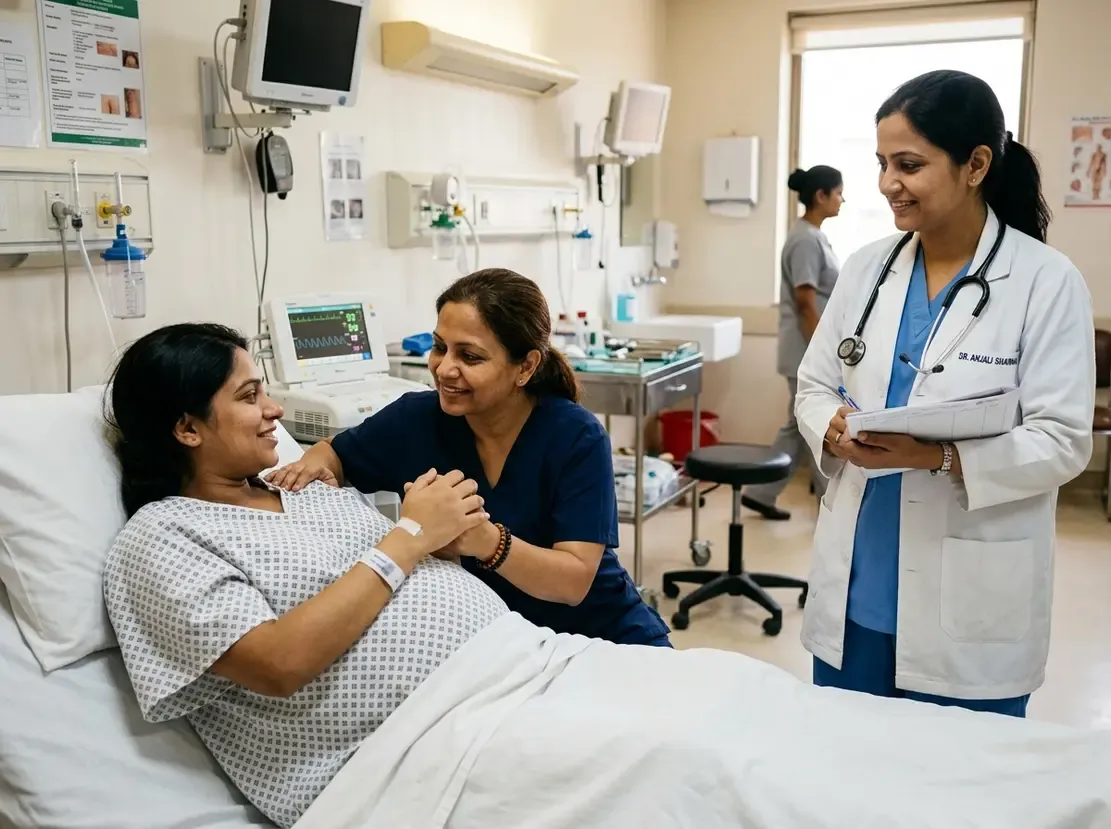
Integrating continuous doula support into perinatal care offers substantial advantages for maternal and infant health. Furthermore, clinical teams increasingly prioritize non-pharmacological interventions to improve labor satisfaction and decrease unnecessary surgical deliveries. A comprehensive systematic review now provides high-level evidence regarding the measurable clinical outcomes of continuous labor companionship.
Key Clinical Evidence on Doula Support
The systematic review evaluated twelve randomized controlled trials and eighteen nonrandomized studies of interventions. Overall, researchers identified moderate certainty evidence showing that continuous companionship lowers preterm birth rates and cesarean deliveries. Additionally, patients who received this care demonstrated improved overall birth experiences. Moreover, these individuals attended their recommended postpartum visits more consistently compared to standard care cohorts.
Consequently, obstetric teams can leverage these findings to optimize intrapartum protocols. In addition, low certainty evidence suggested shorter labor duration, reduced epidural analgesia requirements, and higher rates of spontaneous vaginal delivery. However, the intervention did not significantly lower hypertensive disorders of pregnancy or neonatal intensive care admissions.
Impact on Health Equity and Perinatal Disparities
Maternal healthcare disparities persist across marginalized populations, including low-income and socially vulnerable groups. Fortunately, community-based doula models offer culturally concordant advocacy that bridges critical communication gaps. In fact, four out of five included studies focusing on underserved communities demonstrated tangible health improvements. Therefore, supportive labor companions help protect patients from obstetric bias and promote respectful maternity care.
Furthermore, early doula involvement fosters higher breastfeeding initiation and greater parenting confidence during early postpartum recovery. Clinicians in resource-constrained environments can adapt these companionship strategies to strengthen universal intrapartum support initiatives.
Integrating Labor Companions in Clinical Practice
Hospitals must establish clear, collaborative workflows between nursing staff, obstetricians, and birth companions. First, clinicians should welcome birth advocates into labor wards without viewing them as clinical interference. Doulas provide non-medical physical relief, emotional encouragement, and positional coaching. Thus, they complement medical management rather than hinder necessary clinical procedures.
Similarly, professional guidelines like the World Health Organization intrapartum recommendations strongly endorse birth companions for all women. As maternity units strive to reduce primary cesarean sections, structured doula integration represents a cost-effective, patient-centered pathway. Consequently, healthcare administrators should design policies that facilitate seamless hospital access for trained labor companions.
Frequently Asked Questions
Q1: What is the primary difference between a doula and a midwife?
A doula provides non-clinical physical, emotional, and informational support throughout pregnancy, labor, and postpartum recovery. In contrast, a midwife is a licensed healthcare provider responsible for medical assessments, clinical procedures, and delivering the baby.
Q2: Does clinical evidence confirm that doula care reduces cesarean delivery rates?
Yes, moderate certainty clinical evidence confirms that doula presence during childbirth significantly decreases the likelihood of cesarean sections. Furthermore, it helps reduce preterm births and improves overall maternal satisfaction.
Q3: How does doula support improve postpartum outcomes?
Continuous doula care substantially boosts postpartum visit attendance and encourages early breastfeeding initiation. Additionally, mothers report enhanced parenting confidence and reduced psychological distress during early parenthood.
Professional Development in Maternity Care
For clinicians seeking to deepen their expertise in maternal health and related competencies, exploring structured womens healthity courses can provide valuable advanced training.
References
- Viswanathan M et al. Doula Support During Pregnancy, Childbirth, and Postpartum: A Systematic Review and Meta-Analysis. Obstet Gynecol. 2026 Oct 01. doi: 10.1097/AOG.0000000000006395. PMID: 42809814.
- Bohren MA, Hofmeyr GJ, Sakala C, Fukuzawa RK, Cuthbert A. Continuous support for women during childbirth. Cochrane Database Syst Rev. 2017;7(7):CD003766.
- World Health Organization. WHO recommendations: intrapartum care for a positive childbirth experience. Geneva: World Health Organization; 2018.