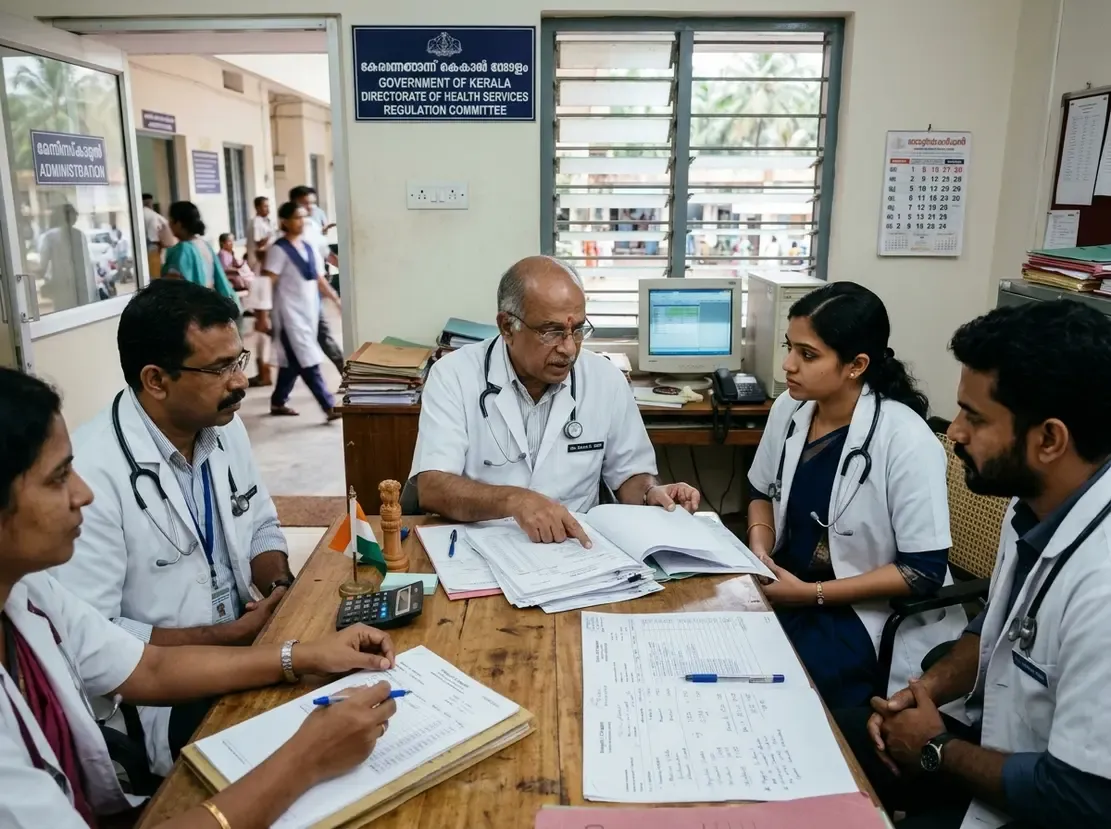
Strengthening India's Drug De-Addiction Care Workforce
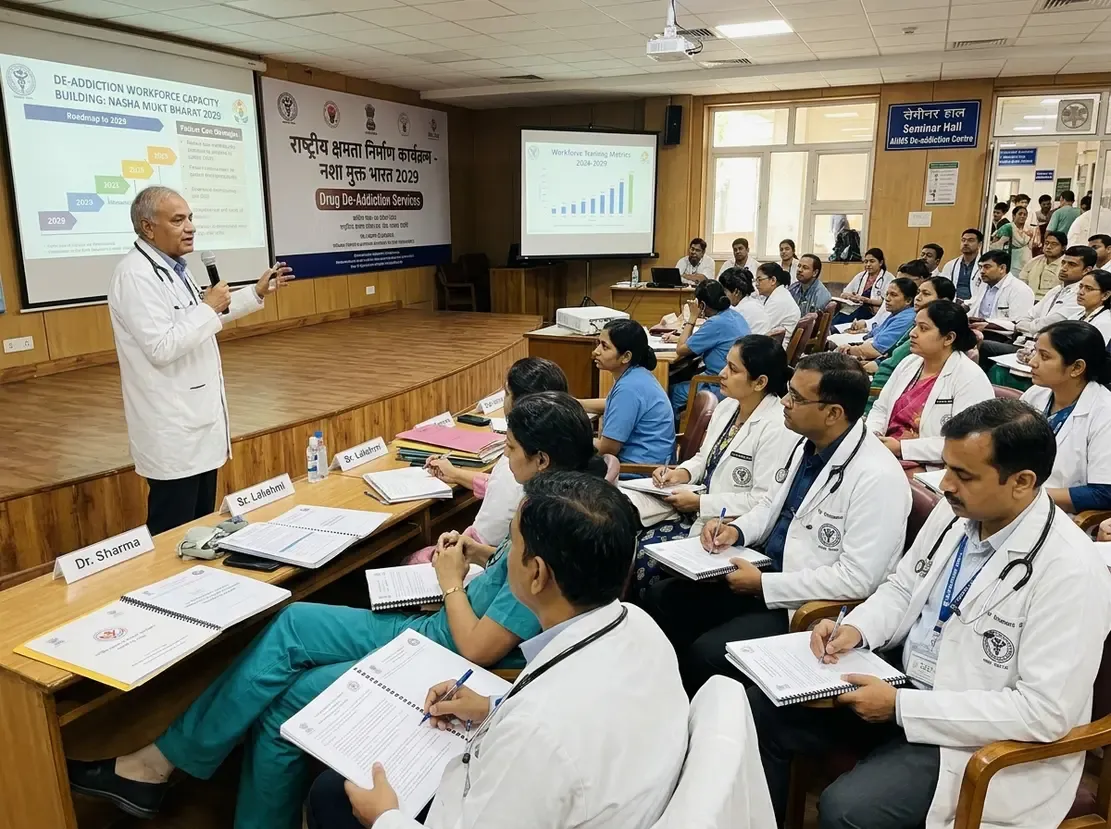
India recently took a decisive step to strengthen drug de-addiction services across primary and tertiary healthcare settings. Specifically, Union Health Minister J. P. Nadda announced a comprehensive capacity-building training programme for healthcare workers. Consequently, the government aims to break inter-departmental silos and build a robust treatment framework. This unified initiative actively supports the national target of achieving a Nasha Mukt Bharat by 2029.
Expanding Drug De-Addiction Services Nationwide
India faces an evolving challenge with substance use disorders among diverse demographics. Therefore, the Ministry of Health and Family Welfare is prioritizing evidence-based addiction medicine. The new initiative delivers structured online and offline training modules. Doctors, medical officers, nurses, and counsellors will receive specialized instruction. Furthermore, the curriculum covers early screening, clinical assessment, and safe withdrawal protocols.
In addition, the training plan operates in phased tiers. Regional and national centers of excellence will lead the initial rollout. Subsequently, state institutions will scale these competencies to district hospitals and primary health centers. Thus, clinicians across rural and urban centers will gain identical operational standards. This phased expansion ensures uniform quality across government-supported facilities.
The Whole-of-Government Strategic Framework
Historically, fragmented departmental actions created noticeable gaps in patient rehabilitation. However, the newly unveiled Vision Document on Narcotic Control: 2026-2029 directly addresses these operational hurdles. This strategic framework establishes clear inter-ministerial accountability. It brings together the Health Ministry, the Ministry of Social Justice and Empowerment, and the Ministry of Home Affairs.
Moreover, effective addiction management demands collaboration beyond hospital walls. Healthcare teams must coordinate closely with law enforcement and border agencies. Consequently, enforcement efforts reduce illicit drug supplies while medical centers reduce demand. As Health Secretary Punya Salila Srivastava emphasized, safeguarding youthful minds remains essential for national productivity. Clinicians now occupy the front line of this integrated national defense.
Clinical Priorities and Workforce Milestones
Medical providers play a pivotal role in shifting addiction care toward compassionate, science-backed models. For this reason, the health ministry updated the official manual on addictive disorders for practicing physicians. The revised guidance equips doctors with validated pharmacotherapy regimens and psychotherapeutic tools. Additionally, it highlights standard management protocols for synthetic opioids and alcohol dependence.
Furthermore, the national roadmap establishes ambitious training benchmarks over the next three years. The Centre plans to train 10,000 healthcare professionals by March 2029. Specifically, the ministry will instruct 2,000 providers in the current financial year. Subsequently, it will train 3,000 workers in 2027-28 and 5,000 in 2028-29. Therefore, primary care practitioners will soon handle routine de-addiction consultations with greater clinical confidence.
Frequently Asked Questions
Q1: What is the main objective of the capacity-building programme?
The initiative aims to train 10,000 healthcare professionals by 2029 in evidence-based substance use treatment, assessment, and prevention.
Q2: How does the whole-of-government approach improve addiction care?
This strategy unites healthcare, social welfare, and law enforcement ministries. Consequently, it combines supply reduction with accessible clinical rehabilitation.
Q3: Which cadres of healthcare personnel are included in the training?
The programme trains medical officers, specialist physicians, nursing staff, counsellors, and community healthcare workers across both online and offline platforms.
References
- Nadda calls for coordinated, whole-of-government approach to tackle substanceabuse - ETHealthworld
- Press Information Bureau, Ministry of Health and Family Welfare, Government of India. Union Health Minister Shri J.P. Nadda Launches Capacity Building Programme for Medical and Allied Healthcare Professionals Engaged in Drug De-addiction Services. Published October 26, 2026.
- Ministry of Home Affairs, Government of India. Vision Document on Narcotic Control: 2026–2029. Narco-Coordination Centre (NCORD).