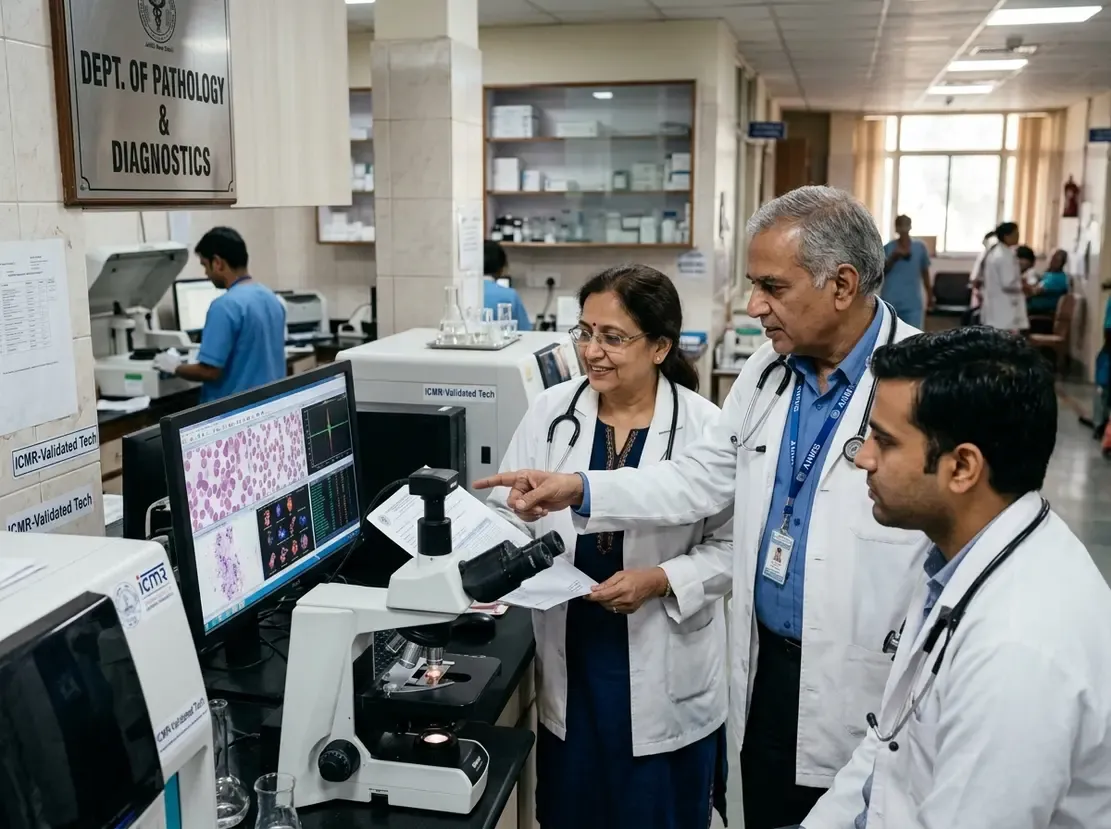
160 District Hospitals to Boost Emergency Trauma Care

The Health Ministry has launched a major initiative to boost emergency trauma care capacity across 160 district hospitals by March 2027. Consequently, this plan marks the first phase of implementing health reforms from the Union Budget 2026-27. Furthermore, Union Health Minister J P Nadda reviewed the rollout to guarantee time-bound execution across all states.
Phased Upgrades for Emergency Trauma Care Delivery
A gap analysis evaluated 613 district hospitals against the Indian Public Health Standards. Therefore, the government categorized these facilities into three distinct phases based on readiness. Specifically, 160 hospitals will receive upgrades during Phase I by March 2027. Subsequently, 203 hospitals will enter Phase II, while 250 facilities will undergo modernization in Phase III.
Additionally, authorities formed three dedicated expert committees to supervise overall execution. These panels oversee hospital infrastructure, diagnostic supply chains, human resource skilling, digital systems, and pre-hospital integration. As a result, public healthcare facilities will streamline critical patient intake and acute stabilization.
Expanding Allied Health and Caregiver Workforces
Along with hospital infrastructure, the Centre is addressing acute clinical staffing shortages. Specifically, the government plans to train 1.5 lakh multi-skilled caregivers over the coming year under national skill frameworks. These training pathways focus on medical device operation, wellness support, and patient rehabilitation.
Furthermore, the Ministry will add 1 lakh allied health professionals over five years across 10 disciplines. Therefore, policymakers are examining public-private partnership models to accelerate workforce deployment.
Biopharma SHAKTI and Advanced Mental Healthcare
Beyond trauma centers, the health review emphasized transformative national research and regulatory reforms. For example, under Biopharma SHAKTI, the Centre aims to establish over 1,000 accredited clinical trial sites. Moreover, the Central Drugs Standard Control Organisation is recruiting a dedicated scientific review cadre.
Simultaneously, the government is expanding tertiary psychiatric infrastructure across India. NIMHANS-II will operate as a premier 1,000-bed institute in Bengaluru. In addition, apex regional institutions in Ranchi and Tezpur will expand under mentorship from NIMHANS.
Frequently Asked Questions
Q1: What is the primary objective of the district hospital upgrade plan?
The primary objective is to increase emergency trauma care capacity by 50% across identified district hospitals by March 2027.
Q2: How many district hospitals will undergo modernization across all phases?
In total, 613 hospitals will undergo modernization, with 160 in Phase I, 203 in Phase II, and 250 in Phase III.
Q3: What role does the Biopharma SHAKTI initiative play in healthcare reforms?
Biopharma SHAKTI creates a network of over 1,000 accredited clinical trial sites backed by digital systems and central facilitation.
For healthcare professionals looking to enhance their capabilities in critical care environments, exploring specialized emergency medicine courses can provide invaluable clinical insights.
References
- 160 district hospitals to get emergency trauma care boost by March 2027 - ETHealthworld
- Union Health Minister Reviews Progress of Key Health Sector Projects Announced in Union Budget 2026-27 - Press Information Bureau
- Biopharma SHAKTI Scheme - Drishti IAS