FDA Advisory Panel Backs Safety of Grail's Galleri Test

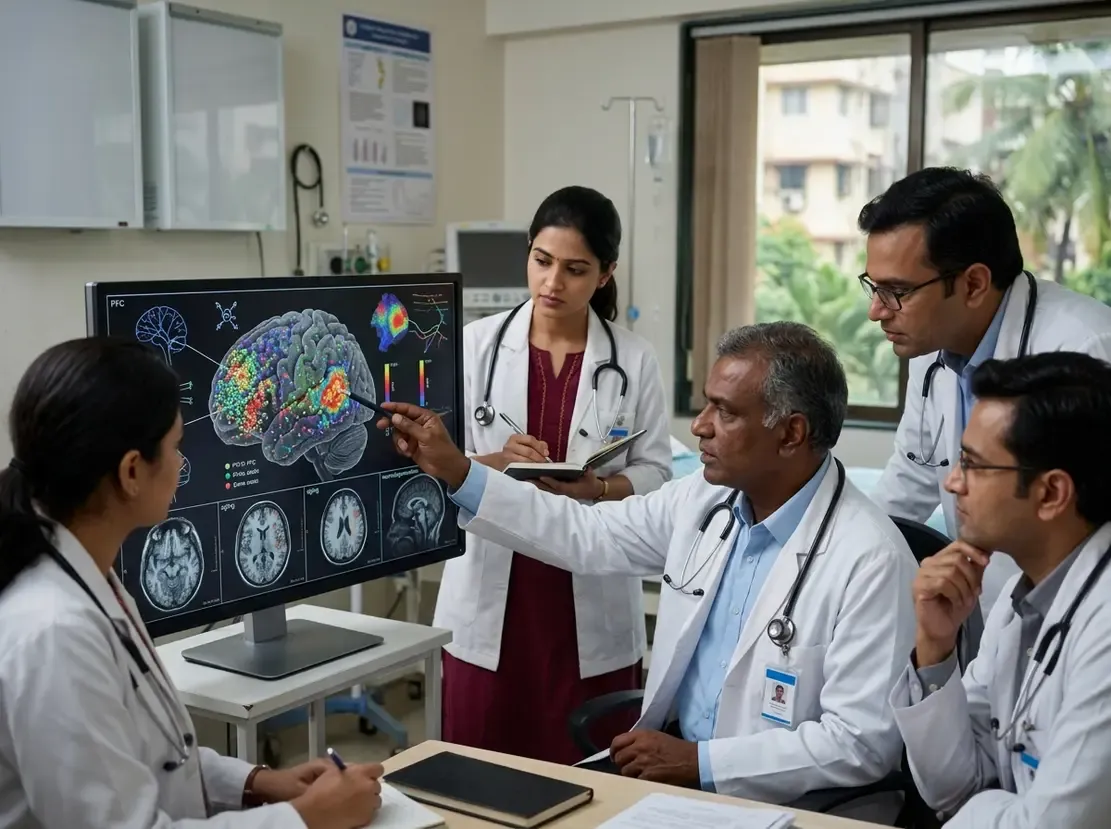
An independent advisory committee to the US Food and Drug Administration (FDA) has evaluated the Galleri cancer test. Specifically, the panel voted unanimously that the multi-cancer blood assay is safe for clinical use. However, advisers showed deep division regarding the evidence supporting its effectiveness. In a tight 6-4 vote, the panel endorsed the test's efficacy. Furthermore, members voted 7-2 with one abstention that the probable benefits outweigh the risks.
Clinical Evidence and Efficacy of the Galleri Cancer Test
The Galleri cancer test analyzes methylation patterns of cell-free DNA from a routine blood draw. Consequently, it screens for multiple malignancies before overt symptoms appear. The developer, Grail, tested the assay in two major clinical investigations across the United States and the United Kingdom. In the US study, the test successfully detected approximately 35% of cancers diagnosed within twelve months. In addition, the assay demonstrated an exceptionally high specificity of 99.85%. This notable specificity means the test rarely produces false-positive alarms in asymptomatic individuals. Nevertheless, some committee members raised valid concerns about its sensitivity in early-stage cancers. Specifically, the test misses a substantial portion of localized tumors, performing better at later stages. Therefore, experts emphasized that the blood assay cannot replace guideline-recommended screenings such as mammograms or colonoscopies.
Implications for Global Oncology and Indian Clinical Practice
Although the FDA is not bound by advisory panel votes, the agency heavily weighs these expert recommendations. A definitive approval decision will likely occur in the coming months. If approved, Galleri would become the first authorized multi-cancer early detection device in the United States. Furthermore, this regulatory benchmark holds substantial clinical significance for healthcare systems globally, including India. In India, oncologists face a heavy burden of late-stage cancer presentations across digestive, lung, and gynecologic malignancies. Liquid biopsy technologies are gaining rapid commercial interest among diagnostic chains in major Indian metropolitan cities. However, clinicians must interpret multi-cancer blood tests with measured caution through appropriate clinical oncology training. Because a negative result does not definitively exclude malignancy, patients must maintain standard diagnostic vigilance. Moreover, positive findings require structured diagnostic pathways to confirm the primary tumor site without inducing undue panic.
Frequently Asked Questions
Q1: What is the Galleri cancer test?
It is a blood test that detects cell-free DNA methylation signals to screen for multiple cancers simultaneously in adults aged 50 and older.
Q2: Did the FDA advisory committee approve the test?
The panel voted favorably on safety (10-0), effectiveness (6-4), and risk-benefit balance (7-2), but the FDA makes the final approval decision.
Q3: Can multi-cancer detection blood tests replace routine screenings?
No, experts emphasize that these assays complement existing screening methods like mammograms and colonoscopies rather than replacing them.
References
- FDA advisers back safety of Grail's cancer test, narrowly endorses efficacy - ETHealthworld
- FDA Advisory Committee Votes In Favor of Approval of GRAIL's Galleri Multi-Cancer Early Detection Test - PR Newswire
- FDA MCGP Panel Votes in Favor of the Galleri Multicancer Early Detection Test - OncLive