
Why the First 2000 Days Shape Lifelong Child Health
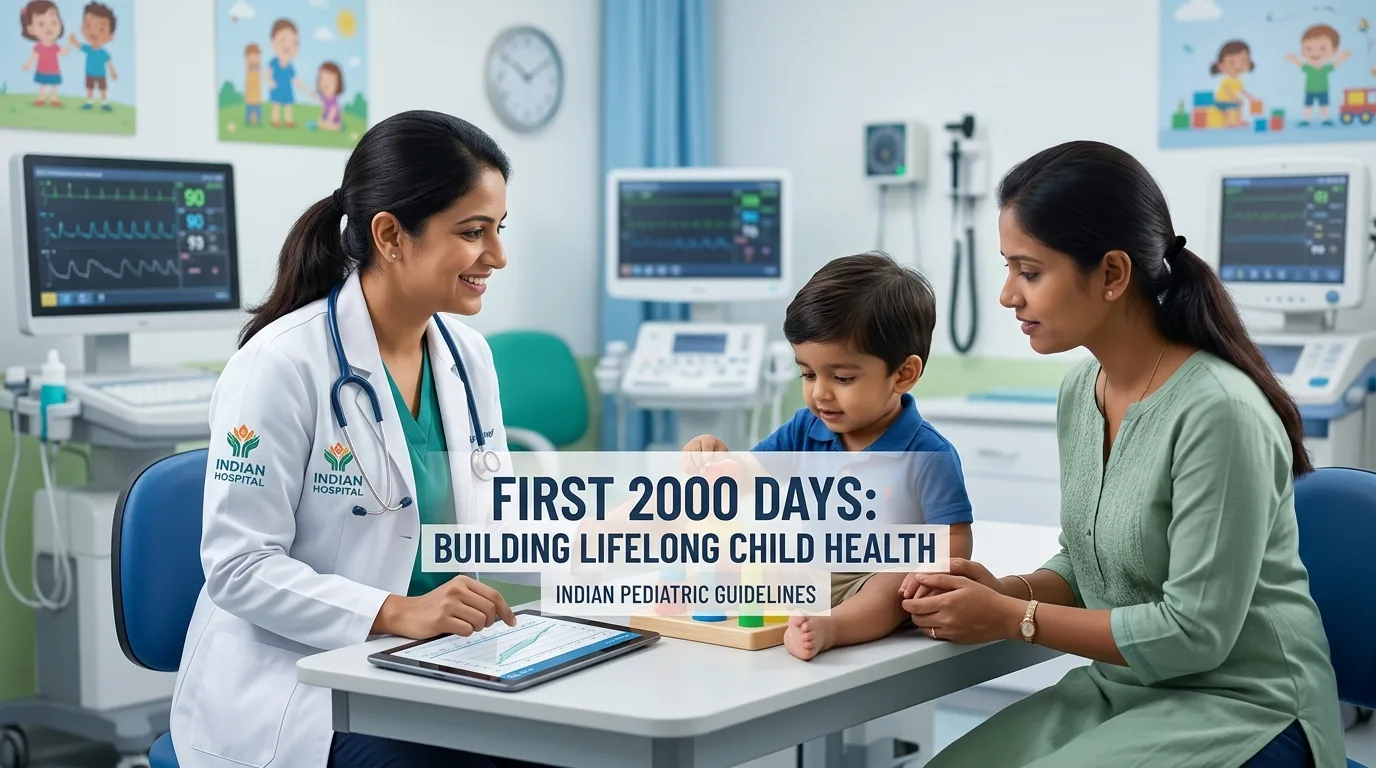
The first 2000 days of a child’s life lay the foundation for future health, learning, and emotional growth. This critical period spans from conception until approximately five years of age. During this window, early experiences actively shape neural pathways and immunity.
Importance of the First 2000 Days in Child Growth
By age five, a child’s brain reaches nearly ninety percent of its adult volume. Therefore, daily interactions deeply influence early neurological wiring. Consequently, nurturing care during these years remains vital for long-term health. In addition, key milestones like language expansion occur rapidly after age two.
Essential Pillars for Early Brain Development
Proper nutrition alone cannot guarantee optimal cognitive growth. For instance, children require responsive caregiving, safety, and early learning opportunities. Additionally, deficiencies in iron and vitamin B12 frequently impair nervous system maturation. Hence, routine developmental screening helps clinicians detect delays early.
Screen Time and Dietary Guidelines for Preschoolers
Excessive screen exposure often displaces essential physical play and social conversation. Furthermore, guidelines recommend avoiding screens entirely under two years of age. Similarly, dietary habits formed early significantly impact future metabolic health. As a result, offering balanced home-cooked meals reduces long-term disease risks.
Frequently Asked Questions
Q1: What is the significance of the first 2000 days of life?
This period shapes nearly ninety percent of brain development and lays the groundwork for lifelong health and cognitive skills.
Q2: How much screen time is recommended for young children?
Children under two should avoid screens, while those aged two to five should limit supervised viewing to under one hour daily.
References
- First 2,000 days, not just 1,000, shape lifelong health & brain development:Expert – ETHealthworld
- Early Childhood Development – UNICEF
- Nurturing Care Framework – WHO, UNICEF, World Bank
Disclaimer: This article was automatically generated from publicly available sources and is provided for informational and educational purposes only. OC Academy does not exercise editorial control or claim authorship over this content. It is not a substitute for professional medical advice, diagnosis, or treatment. Always consult a qualified healthcare provider and refer to current local and national clinical guidelines.


