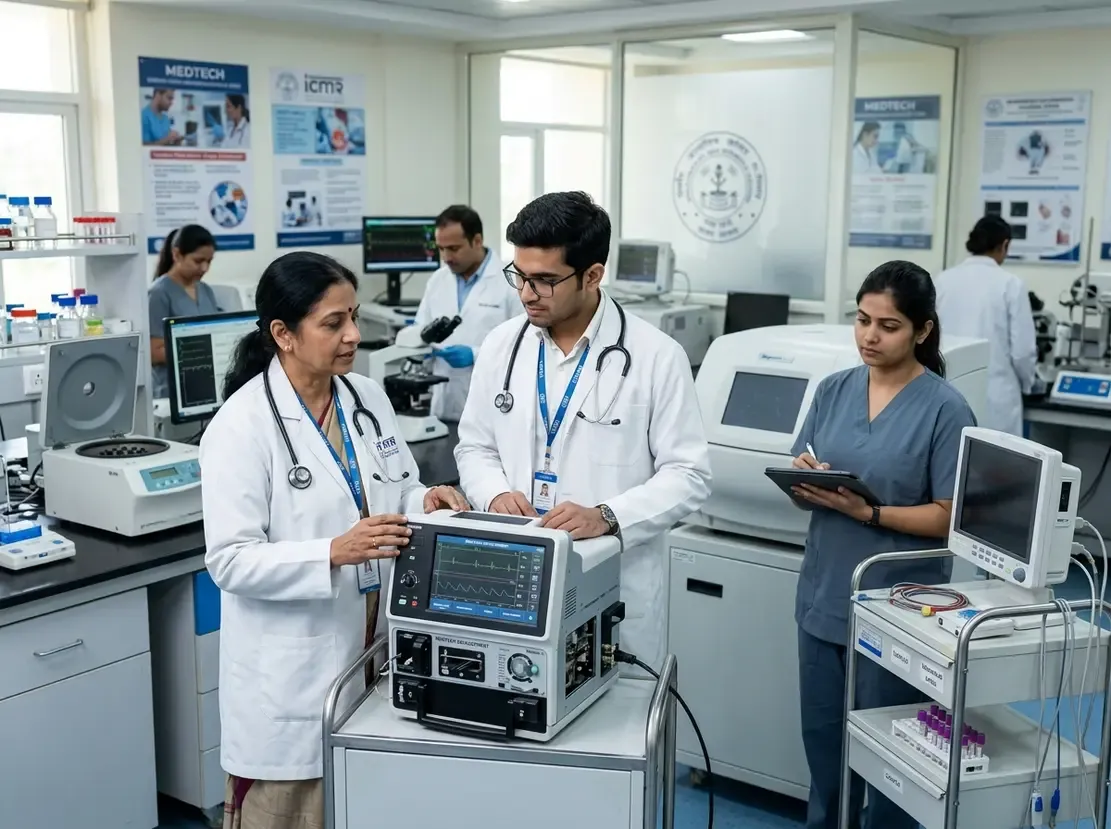
How Genomic Testing Is Transforming Cancer Care Today
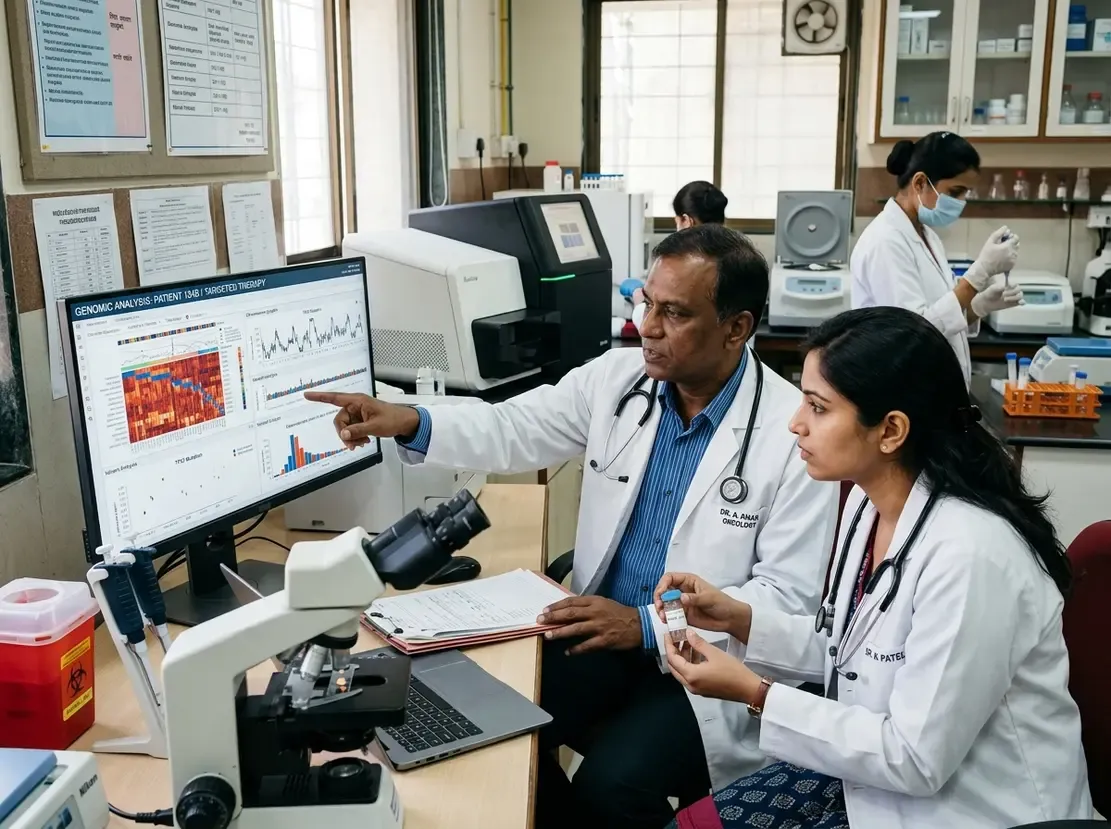
Precision medicine continues to reshape the landscape of modern cancer management. Today, genomic testing in oncology is becoming essential for tailoring patient-specific therapies and uncovering complex tumor biology. Clinicians increasingly recognize that standard treatment paradigms cannot address the molecular diversity present in Indian patients. Therefore, healthcare teams must integrate comprehensive genomic evaluations into everyday clinical workflows. By moving beyond conventional protocols, oncologists can choose targeted therapies that optimize survival outcomes. Moreover, this approach prevents the administration of ineffective and toxic chemotherapy regimens.
Why Genomic Testing in Oncology Needs Indian Population Data
For decades, Indian cancer care has relied heavily on genomic databases derived from Western populations. However, disease biology often differs significantly across diverse demographic groups. Indian patients frequently present with distinct mutation frequencies in both solid tumors and hematological malignancies. Consequently, relying solely on foreign genomic datasets may obscure critical indigenous biomarkers. To bridge this gap, oncologists advocate for the creation of robust nationwide genomic registries. Every profiled patient contributes vital molecular information to this collective knowledge base. In addition, indigenous data collection enables scientists to develop affordable, tumor-specific panels. Thus, large-scale sequencing within India will refine risk stratification and improve long-term preventive strategies.
Balancing Clinical Utility and Health Economics
Resource constraints present a daily challenge for healthcare providers across India. Therefore, clinicians must balance expansive genomic discovery with proven clinical utility. As medical experts emphasize, oncologists should order the right test for the right patient at the right time. Indiscriminate testing can burden families financially without providing therapeutic benefit. Furthermore, doctors must avoid generating unrealistic expectations when targetable alterations are rare. Instead, testing decisions should reflect established clinical guidelines and actionable drug targets. At the same time, upfront molecular profiling can reduce downstream medical expenses. Rapid identification of driver mutations prevents costly trials of ineffective treatments. Consequently, targeted testing shortens hospital stays and optimizes valuable healthcare resources.
Comprehensive Genomic Profiling and Tissue Stewardship
Securing adequate biopsy material remains a persistent hurdle in diagnostic oncology. For instance, small core biopsies often yield insufficient tissue for repetitive sequential testing. Therefore, comprehensive genomic profiling offers an efficient alternative by assessing hundreds of biomarkers simultaneously. This multiplex strategy preserves precious tissue samples and eliminates repeated invasive procedures. In addition, comprehensive panels detect co-occurring mutations and anticipate secondary drug resistance mechanisms. To maximize sample efficiency, hospitals must implement structured tissue stewardship protocols. This multidisciplinary pathway connects interventional radiologists, surgeons, pathologists, and bioinformaticians from the outset. As a result, clinical teams preserve tissue integrity and ensure optimal DNA extraction.
Accelerating Turnaround Time and Liquid Biopsy
Diagnostic speed is just as critical as analytical accuracy in acute oncology. For example, patients with acute leukemia require urgent therapeutic decisions within days rather than weeks. Advanced next-generation sequencing platforms now deliver molecular reports within three days. Consequently, hematologists can initiate precise induction regimens without dangerous clinical delays. Furthermore, liquid biopsy provides a non-invasive solution when solid tissue biopsies are unobtainable. Clinicians analyze circulating tumor DNA to track minimal residual disease and identify emergent resistance mutations. For instance, liquid biopsy testing has successfully guided treatment choices in critically ill patients in intensive care units. Thus, combining rapid molecular diagnostics with liquid biopsy establishes a proactive cancer care paradigm supported by training through a Certification Course In Clinical Oncology.
Frequently Asked Questions
Q1: Why is comprehensive genomic testing preferred over single-gene assays?
Comprehensive genomic testing evaluates multiple actionable alterations simultaneously from a single biopsy sample. Consequently, it conserves limited tumor tissue and detects rare mutations that single-gene assays routinely miss.
Q2: How does turnaround time impact patient outcomes in precision oncology?
Rapid reporting allows oncologists to initiate targeted therapies without delaying vital treatment. For instance, receiving molecular results in three days significantly improves survival in acute hematological malignancies, a core focus when studying through Certification Course In Lung Cancer.
Q3: When should clinicians consider liquid biopsy for cancer patients?
Clinicians should utilize liquid biopsy when tumor tissue is inaccessible or insufficient for sequencing. Furthermore, it serves as an excellent tool for monitoring treatment response and detecting emerging resistance mechanisms.
References
- Smarter cancer care through genomics - ETHealthworld
- The future of precision cancer medicine in India - PMC
- Comprehensive Genomic Profiling of Indian Patients With Lung Cancer - PubMed
- Comprehensive genomic profiling reveals a unique genomic landscape in solid tumors in an Indian cancer cohort of 1000 patients - Scientific Reports