How GLP-1 Weight Loss Alters Mammogram Density Results
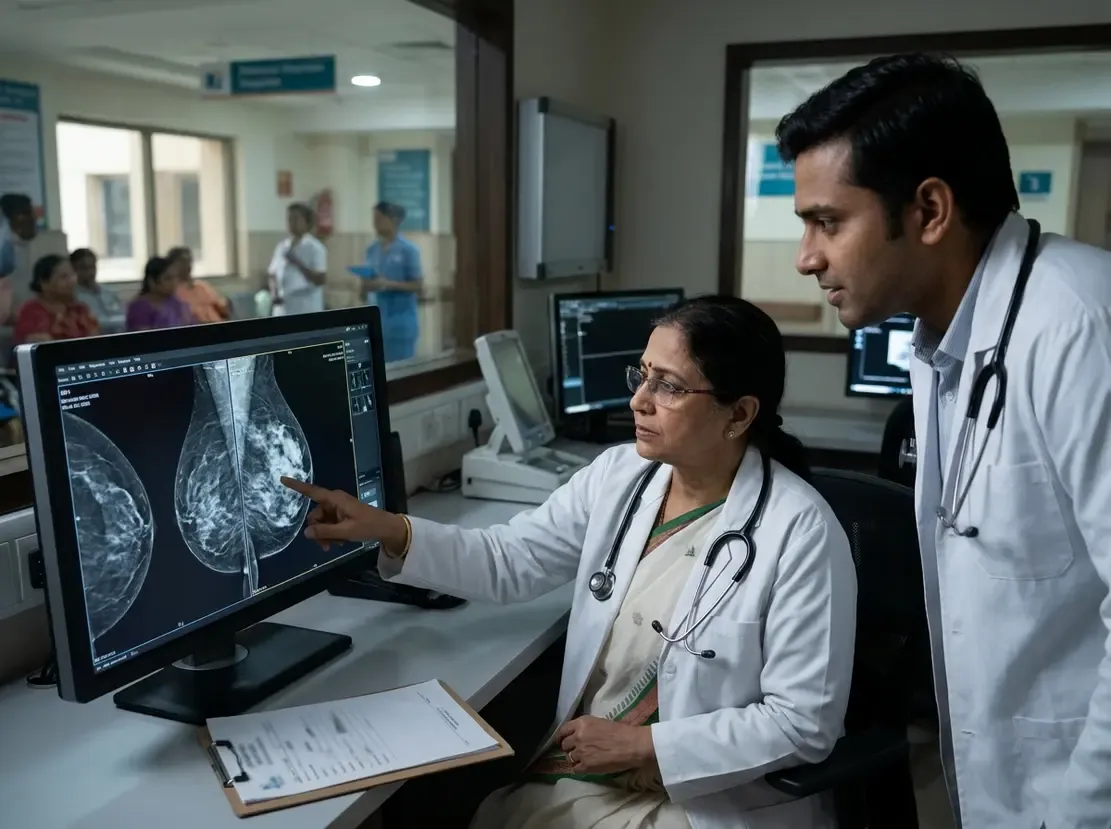
Rapid adoption of incretin therapies has transformed metabolic medicine worldwide, including in India. However, recent findings demonstrate that changes in GLP-1 breast density may alter standard mammography interpretations. Consequently, diagnostic radiologists are observing unexpected visual shifts on screening mammograms following substantial medical weight reduction.
Understanding the Mechanisms Behind GLP-1 Breast Density Shifts
A longitudinal study evaluated paired screening mammograms from 107 women receiving GLP-1 therapy for at least one year. Notably, the cohort lost an average of 18 kilograms during the treatment interval. Quantitative software evaluations revealed that breast density increased by at least one BI-RADS category in 62.5% of women. Furthermore, nearly 8% of the cohort advanced by two entire density categories. In contrast, researchers observed no decreases in density across any study participants.
Biologically, this phenomenon reflects a disproportionate loss of adipose tissue rather than genuine glandular proliferation. Because breasts consist of radiolucent fat and radiodense fibroglandular tissue, substantial weight loss preferentially depletes stromal fat. Therefore, the remaining fibroglandular tissue becomes condensed and relatively more prominent on radiographic imaging. Additionally, architectural changes such as skin folding and volume deflation can make breast parenchymal tissue appear denser.
Clinical Implications for Mammogram Recalls and Biopsy Rates
Elevated mammographic density frequently presents diagnostic dilemmas for interpreting radiologists. In this investigation, the screening recall rate reached 22.4%, which more than doubles the typical United States screening benchmark. Consequently, clinicians called back nearly one-fourth of screened patients for supplementary imaging examinations. Ultimately, four participants underwent tissue biopsies, though every biopsy confirmed benign histopathology.
Importantly, dense tissue can mask early-stage malignancies on standard two-dimensional mammograms. Nevertheless, clinicians must distinguish physiological tissue condensation from true oncological progression. Previous epidemiological research indicates that GLP-1 medications may actually reduce overall cancer risk by addressing obesity and hyperinsulinemia. Hence, increased relative density does not signify that incretin therapy induces malignant transformation.
Best Practices for Physicians and Breast Imaging Centers
Physicians prescribing GLP-1 medications must educate patients on expected mammographic changes before routine screening. Similarly, imaging technologists should systematically record GLP-1 therapy and the exact degree of recent weight loss during screening intake. This clinical history provides essential context when radiologists compare current mammograms against older baseline images. As a result, radiologists can avoid unnecessary diagnostic recalls and ease patient anxiety.
Moreover, clinicians should not advise women to discontinue incretin therapy out of fear. Instead, women should maintain adherence to regular breast cancer screening schedules. For women with dense breasts, physicians may recommend supplementary screening like automated breast ultrasound or digital breast tomosynthesis. Thus, clear interdisciplinary communication between endocrinologists, primary care physicians, and radiologists ensures optimal clinical outcomes.
Frequently Asked Questions
Q1: Why does weight loss from GLP-1 drugs increase breast density?
GLP-1 medications induce significant loss of breast adipose tissue without reducing the absolute volume of glandular elements. Consequently, the remaining fibroglandular tissue condenses, which makes the breast tissue appear relatively denser on screening mammograms.
Q2: Does higher breast density from GLP-1 use mean a higher risk of breast cancer?
No, researchers emphasize that this relative density shift reflects mechanical tissue condensation rather than cellular proliferation. In fact, large clinical trials indicate that incretin therapies may reduce overall obesity-related cancer risks over time.
Q3: What should patients tell their mammography technician before the exam?
Patients should inform the imaging technologist about their GLP-1 medication use and the magnitude of recent weight loss. Furthermore, providing this history helps the interpreting radiologist accurately compare current views with prior baseline studies.
References
- Breast density changes with GLP-1 weight loss may prompt mammogram call-backs - ETHealthworld
- Radiological Society of North America (RSNA). GLP-1 Weight Loss Medications Linked to Changes in Mammographic Breast Density. RSNA Press Release; 2026.
- Gombos EC, et al. Longitudinal Changes in Mammographic Breast Density Following GLP-1 Receptor Agonist Therapy. Radiological Society of North America Scientific Assembly; 2026.