Haryana Enforces Strict H1N1 Flu Testing Directives
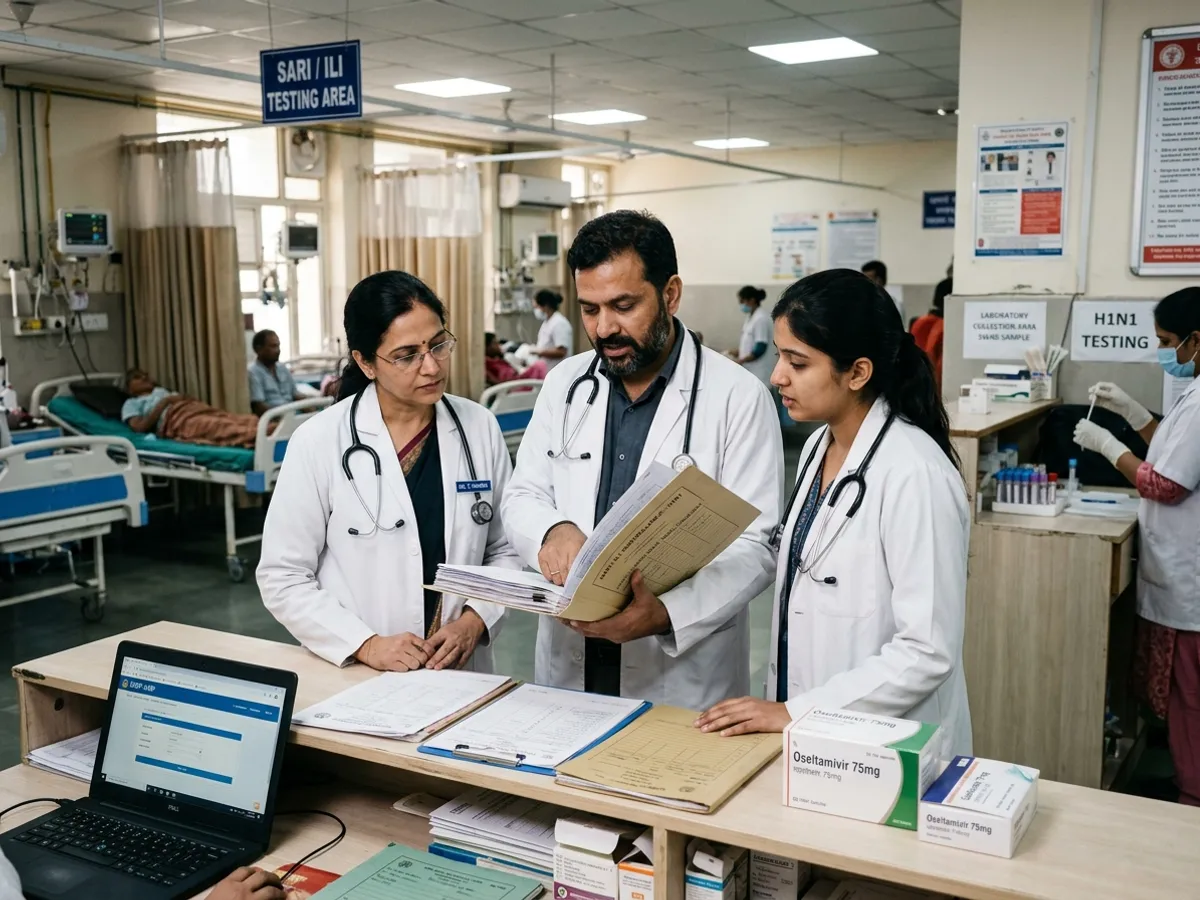
Haryana health authorities have intensified surveillance following a sharp spike in seasonal influenza cases across the National Capital Region. Consequently, the Directorate General of Health Services has mandated strict H1N1 flu testing for all suspected respiratory admissions. Under this revised directive, health facilities must test 100% of patients presenting with severe acute respiratory infection (SARI). Furthermore, clinicians must test at least 5% of outpatient cases presenting with influenza-like illness (ILI).
New Mandate for H1N1 Flu Testing and SARI Cases
Delhi has recorded over 1,777 confirmed H1N1 cases this season, marking a steep climb from previous years. Therefore, Haryana has placed hospitals on high alert to handle potential surges in critical illness. State officials directed government hospitals to keep intensive care beds and mechanical ventilators operational. Additionally, facilities must maintain adequate stockpiles of oseltamivir, personal protective equipment, and N95 respirators. Medical officers should initiate antiviral therapy promptly for high-risk patients without awaiting laboratory confirmation. Hence, early clinical evaluation remains vital to prevent acute decompensation.
Clinical Triage and Flu Corner Protocols
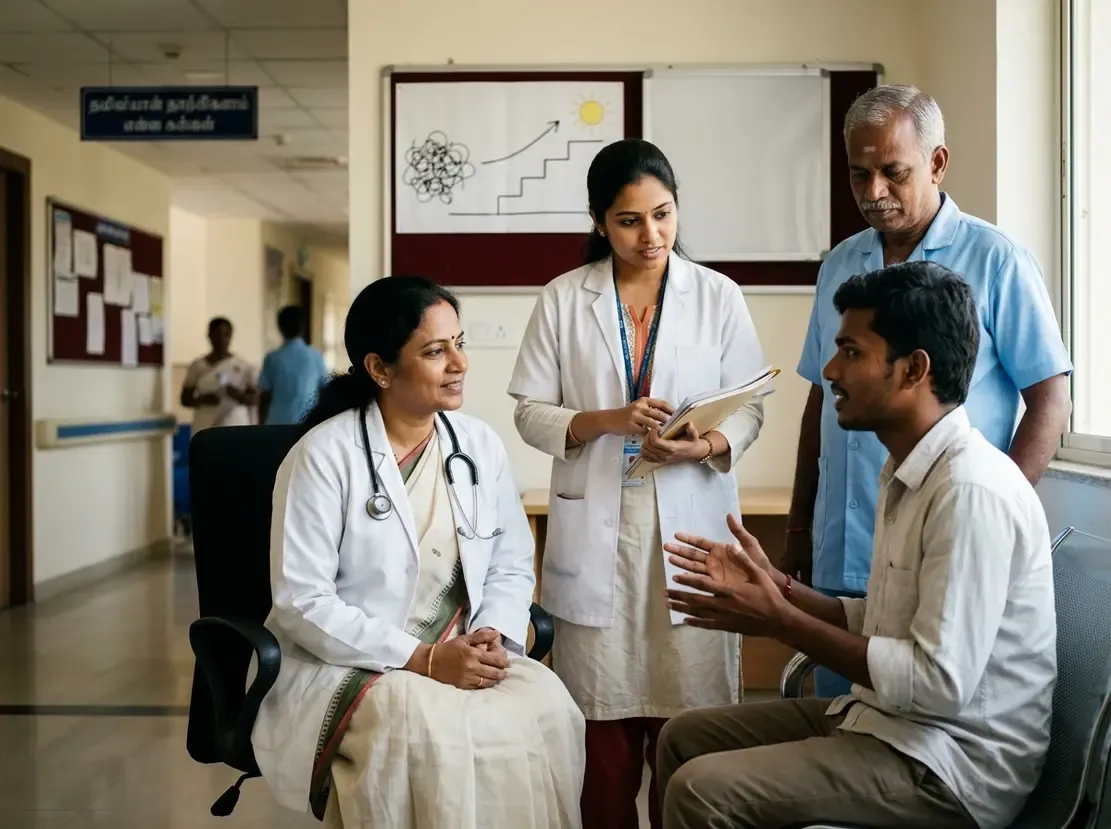
To curb nosocomial spread, hospitals must activate dedicated flu corners across all outpatient departments. Accordingly, staff will screen all individuals presenting with fever, cough, sore throat, or coryza at entry points. This triage pathway enables rapid stratification between mild illness and high-risk respiratory infections. Moreover, healthcare workers must strictly adhere to standard droplet and contact precautions during patient evaluation. Symptomatic hospital staff should wear triple-layer masks and maintain rigorous hand hygiene at all times. As a result, facilities can limit viral transmission among vulnerable inpatient populations.
Surveillance and IDSP-IHIP Reporting Guidelines
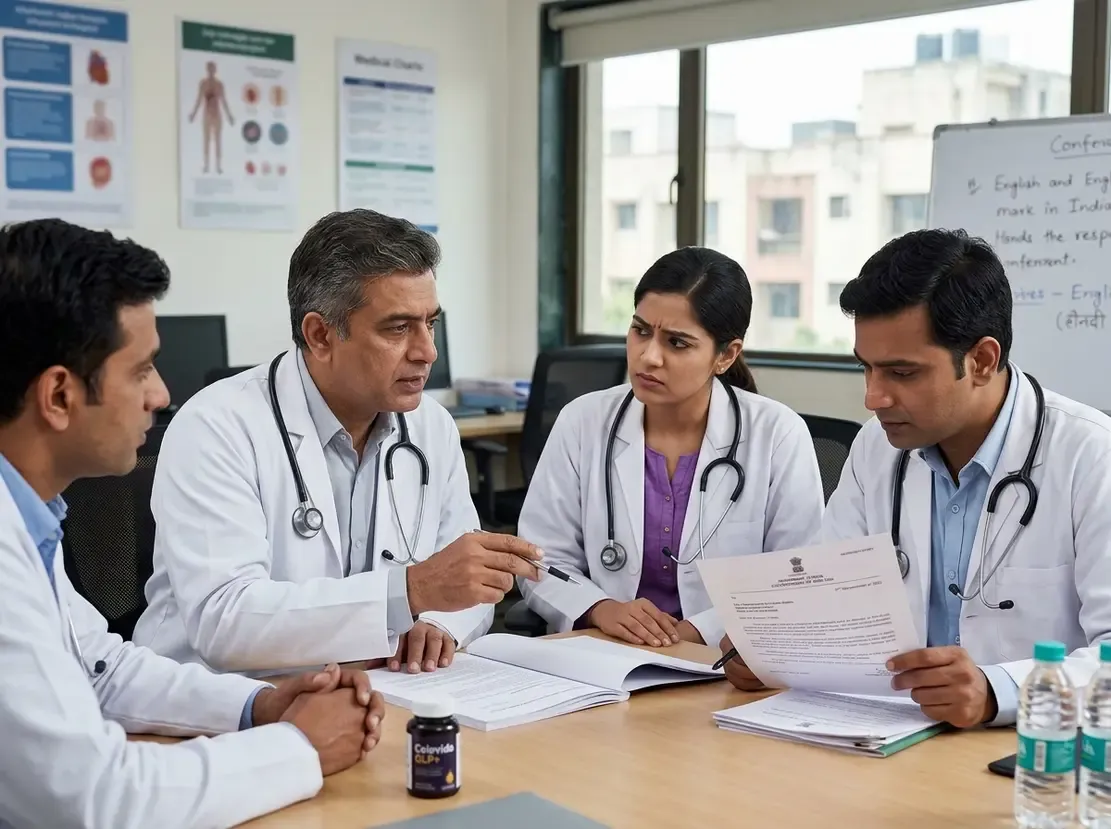
Public health authorities are integrating private healthcare facilities and the Indian Medical Association into the surveillance framework. Specifically, all registered private clinics and hospitals must upload real-time influenza data to the IDSP-IHIP portal. This timely reporting helps epidemiologists track regional transmission dynamics and identify localized clusters early. Furthermore, the state health department is launching community awareness campaigns regarding respiratory hygiene. Clinicians should discourage self-medication and advise patients to seek prompt medical attention for unremitting fever or dyspnea, which forms a core competency taught in various general practice modules.
Frequently Asked Questions
Q1: What are the specific testing thresholds mandated by Haryana health authorities?
Health facilities must conduct influenza testing for 100% of admitted SARI cases and at least 5% of outpatient ILI cases.
Q2: Why is early empirical oseltamivir administration recommended for high-risk patients?
Oseltamivir significantly lowers morbidity and viral shedding when initiated within 48 hours of symptom onset in vulnerable groups.
Q3: Which platform should private practitioners use for reporting influenza cases?
Private hospitals and clinics must report daily influenza cases through the Integrated Health Information Platform (IDSP-IHIP) portal.
References
- Haryana orders 100% flu testing amid H1N1 surge - ETHealthworld
- National Centre for Disease Control (NCDC). Clinical Management Protocol for Seasonal Influenza. Directorate General of Health Services, Ministry of Health and Family Welfare, Government of India.
- World Health Organization. Seasonal Influenza: Guidelines for Pharmacological Management of Pandemic and Seasonal Influenza.