1 in 4 Odisha Tribal Adults Faces Impaired Kidney Health
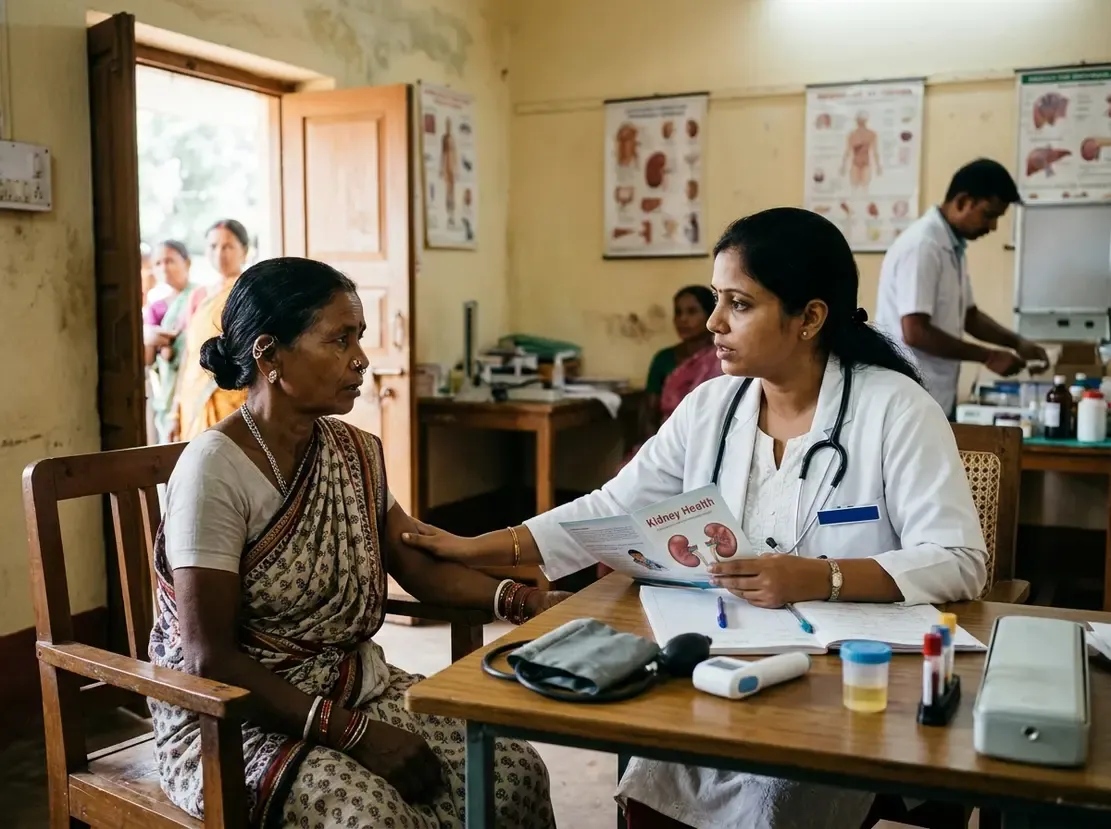
Recent epidemiological data highlights a concerning public health burden among indigenous communities in eastern India. Specifically, a large-scale study reveals that impaired kidney function affects nearly one in four tribal adults across Odisha. Researchers from the ICMR-National Institute of Health Research evaluated health markers from over 19,000 individuals across 14 districts. Consequently, these findings uncover a hidden epidemic of renal impairment in underserved rural populations.
Scale and Severity of Impaired Kidney Function
Notably, the study revealed that 24.8% of screened tribal adults presented with impaired kidney function. Among these participants, 16.6% demonstrated mild renal impairment. Furthermore, 6.4% had moderate impairment, while 1.5% suffered from severe kidney disease. End-stage kidney failure occurred in 0.3% of the surveyed population. In addition, kidney dysfunction rose dramatically with advancing patient age. The prevalence climbed from 5.6% in young adults to 79.4% in individuals older than 70 years. Therefore, age represents one of the strongest determinants of progressive renal decline in these communities.
Key Determinants and Modifiable Risk Factors
Uncontrolled chronic conditions drive this substantial burden of renal disease. In particular, impaired renal performance was exceptionally common among patients with chronic hypertension and type 2 diabetes. Male individuals also faced higher rates of renal compromise compared to female peers. Moreover, lifestyle behaviors play an influential role in deteriorating kidney health. Tobacco consumption and frequent alcohol intake strongly correlated with diminished filtration rates. Additionally, socio-economic vulnerabilities exacerbate these clinical hazards. Individuals with limited formal education, poor dietary diversity, and lower income suffered the highest rates of dysfunction. As a result, addressing these modifiable social determinants remains vital for long-term renal protection.
Technological Solutions and Point-of-Care Testing
Traditional laboratory facilities remain scarce throughout remote tribal districts. Consequently, researchers designed advanced machine-learning algorithms to predict individual risk profiles accurately. These predictive models utilize routine demographic parameters and basic clinical metrics to stratify vulnerable patients. Furthermore, scientists developed a novel point-of-care diagnostic device for urea and creatinine estimation. Currently undergoing field validation, this portable tool can support door-to-door screening initiatives. Thus, Accredited Social Health Activist (ASHA) workers can soon identify early renal decline directly within villages.
Clinical Implications for Healthcare Providers
Primary care clinicians must transition away from purely symptom-based kidney management. Instead, doctors should incorporate routine renal function testing into existing non-communicable disease screening camps. Because renal damage develops silently, early detection enables timely therapeutic interventions that slow disease progression. Furthermore, physicians should aggressively manage blood pressure and glycemic levels in tribal outpatients. Healthcare teams must also provide culturally sensitive counseling on smoking cessation and dietary diversity. Professionals looking to enhance their expertise in managing these complex cases can benefit greatly from structured learning through a specialized Certification Course In General Practice.
Frequently Asked Questions
Q1: What did the ICMR study reveal about kidney health in Odisha's tribal communities?
The study found that 24.8% of tribal adults in Odisha have impaired kidney function. Most affected adults had mild to moderate damage, while prevalence surged to nearly 80% among older individuals.
Q2: What are the primary risk factors associated with kidney impairment in this population?
Key risk factors include untreated hypertension, diabetes mellitus, tobacco smoking, heavy alcohol consumption, older age, and poor dietary diversity.
Q3: How can frontline clinicians improve early kidney disease detection in rural areas?
Clinicians should implement proactive screening during routine hypertension and diabetes checkups. In addition, deploying validated point-of-care creatinine testing helps identify asymptomatic disease before irreversible damage occurs.
References
- One in four tribal adults in Odisha has impaired kidney function: ICMR study - ETHealthworld
- Kshatri JS, Deo V, AK K, Rehman T, Jha V, Pati S. Prevalence, risk-factors and early prediction of impaired kidney function among indigenous adults in Odisha, India: A secondary analysis. Indian Journal of Medical Research, 2026.
- Indian Council of Medical Research - National Institute of Health Research (ICMR-NIHR), Bhubaneswar. Odisha Tribal Family Health Survey (OTFHS 2022-23).