Why India Demands Equity in Global Pathogen Sharing

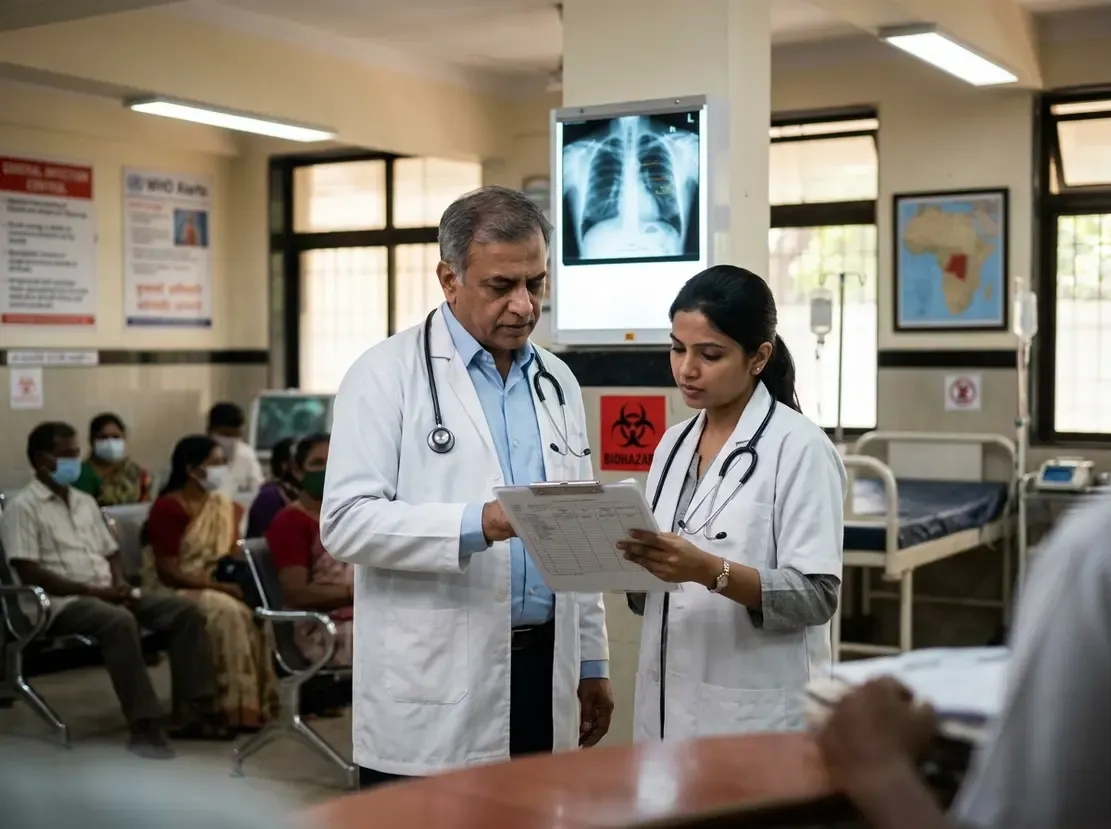
At the United Nations High-Level Meeting in New York, India firmly demanded an equitable global healthcare framework. Specifically, Indian officials advocated for an effective Pathogen Access and Benefit Sharing system under the WHO Pandemic Agreement. Health Secretary Punya Salila Srivastava addressed global delegates to highlight significant structural disparities in emergency medical responses. She stated that nations supplying biological resources must secure timely countermeasures during crises. Consequently, countries contributing biological samples should receive guaranteed access to vaccines, diagnostics, and essential medicines developed from their inputs.
India Pushes for Fair Pathogen Access and Benefit Sharing
The World Health Assembly adopted the overarching WHO Pandemic Agreement in May 2025. However, member states are still negotiating the crucial annex regarding pathogen sharing. India stressed that the ultimate credibility of the agreement relies on this mechanism. Furthermore, global discussions must respect national sovereignty while establishing fair distribution rules. Health leaders argued that the new rules should reflect domestic capacities rather than generic mandates. Meanwhile, WHO Director-General Tedros Adhanom Ghebreyesus urged rapid consensus among negotiators. He warned that unresolved delays could severely undermine future outbreak containment efforts.
Lessons from COVID-19 and Digital Health Infrastructure
India drew extensive insights from its operational experience during the COVID-19 emergency. For example, the nation supplied over 300 million vaccine doses across approximately 100 countries. In addition, India extended vital medical assistance to more than 150 nations worldwide. Indian delegates also urged the international community to recognise digital public infrastructure as a global public good. Such digital platforms streamlined disease surveillance, risk communication, and vaccination tracking. Therefore, interoperable digital health systems can substantially protect continuity of clinical care during major outbreaks.
Strengthening Domestic Capacity and Sovereign Rights
India outlined essential domestic measures designed to fortify long-term outbreak response capabilities. These core initiatives include expanding national laboratory networks and training skilled clinical personnel. Additionally, the government continues building robust medical stockpiles and emergency coordination units. India emphasized that global pandemic preparedness must remain grounded in resilient domestic health systems. Consequently, international assistance should complement domestic investments rather than replace them. Global solidarity must translate into tangible, equitable actions for healthcare workers on the front lines.
Frequently Asked Questions
Q1: What is the primary purpose of the Pathogen Access and Benefit Sharing system?
The system establishes a mechanism where countries share biological samples and pathogens rapidly during outbreaks. In return, contributing nations secure fair and timely access to resulting vaccines, diagnostics, and therapeutics.
Q2: Why did India highlight its COVID-19 experience at the UN meeting?
India demonstrated its reliability by supplying 300 million vaccine doses and medical aid to over 100 countries. Furthermore, India showcased how digital health tools effectively managed mass vaccination and surveillance.
Q3: How does the PABS framework affect clinicians and health systems?
A fair system ensures that local hospitals and doctors receive essential therapeutics and vaccines without catastrophic delays during pandemics.
References
- India seeks fair access to vaccines, drugs made from shared pathogens - ETHealthworld
- WHO Pandemic Agreement and Pathogen Access and Benefit-Sharing - World Health Organization
- UN High-Level Meeting on Pandemic Prevention, Preparedness and Response - United Nations