How Karnataka Scaled eSanjeevani for Rural Healthcare

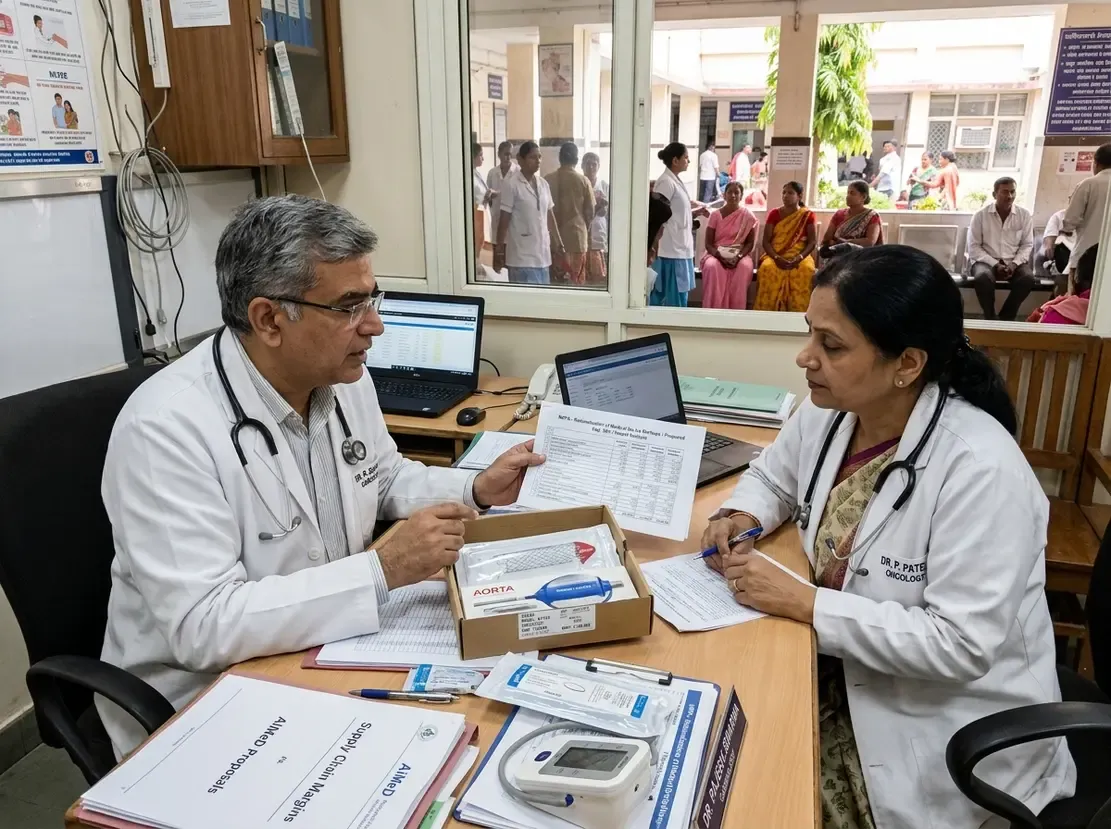
Digital health adoption is transforming clinical workflows across India. Notably, the eSanjeevani telemedicine platform has achieved a major milestone in Karnataka by crossing 3.09 crore teleconsultations. According to recent Union Health Ministry data presented in the Lok Sabha, the state has emerged as one of the country's most active adopters of national telemedicine services. Consequently, primary care centers now connect rural patients directly to medical specialists in tertiary hubs.
Impact of the eSanjeevani Telemedicine Platform in Karnataka
The state recorded 3,09,28,829 teleconsultations by late July 2026. Specifically, healthcare workers delivered over 2.55 crore consultations via eSanjeevani Ayushman Arogya Mandirs (AAMs). Meanwhile, the patient-to-doctor eSanjeevani OPD platform accounted for another 54.12 lakh consultations. Therefore, assisted doctor-to-doctor consultations form the primary backbone of the state's digital outreach.
To support this volume, Karnataka operates 2,087 specialized hubs and 6,409 peripheral spokes. These spokes include primary health centres, community health centres, and district hospitals. Nationally, India has logged more than 48.95 crore consultations across 19,257 hubs and 1.41 lakh spokes. Other states such as West Bengal, Andhra Pradesh, Tamil Nadu, and Uttar Pradesh have also recorded massive consultation volumes.
Optimizing Chronic Disease Management and Triage
Telemedicine offers significant clinical utility for managing non-communicable diseases (NCDs). In rural areas, patients frequently face specialist shortages, high travel costs, and lost wages. Therefore, primary care physicians can leverage telemedicine to consult with cardiologists, endocrinologists, and psychiatrists without delay.
Furthermore, digital records and remote monitoring establish a telehealth-enabled continuum of care. Doctors can track hypertension and diabetes progression effectively over time. As a result, healthcare teams identify complications early and reduce unnecessary hospital referrals. Primary health centres act as the vital first point of contact while specialists provide guided oversight.
Clinical Limitations and Red-Flag Conditions
Despite its clear benefits, telemedicine cannot replace direct physical examination. Medical practitioners cannot palpate an acute abdomen, auscultate heart sounds, or perform comprehensive neurological tests remotely. Therefore, clinicians must recognize clinical scenarios that require immediate in-person assessment.
Specifically, doctors must not delay face-to-face emergency evaluation for red-flag symptoms:
- Acute chest pain or suspected acute coronary syndrome
- Severe breathlessness or signs of respiratory distress
- New focal neurological deficits or acute altered consciousness
- Severe abdominal pain suggesting peritonitis or acute surgical abdomen
- Major trauma, uncontrolled bleeding, or clinical signs of sepsis
Although virtual triage provides rapid initial guidance, clinicians must always prioritize timely physical intervention for critical patients.
Frequently Asked Questions
Q1: What are the two primary modes of the eSanjeevani telemedicine platform?
The platform operates through two main modes: provider-to-provider teleconsultations at Ayushman Arogya Mandirs (AAMs) and direct patient-to-doctor outpatient consultations via eSanjeevani OPD.
Q2: How does the hub-and-spoke model benefit rural primary health centres?
The model connects rural primary health centres (spokes) to specialists at district hospitals or medical colleges (hubs). Consequently, local healthcare providers can manage complex chronic conditions without requiring patients to travel long distances.
Q3: When should clinicians avoid relying solely on teleconsultations?
Clinicians must immediately direct patients to in-person emergency care when dealing with red-flag symptoms such as acute chest pain, altered consciousness, respiratory distress, severe abdominal pain, or suspected sepsis.
References
- Karnataka sees major uptake of eSanjeevani platform - ETHealthworld
- Ministry of Health and Family Welfare, Government of India. Telemedicine Practice Guidelines.
- National Health Systems Resource Centre (NHSRC). Operational Guidelines for Ayushman Arogya Mandirs.