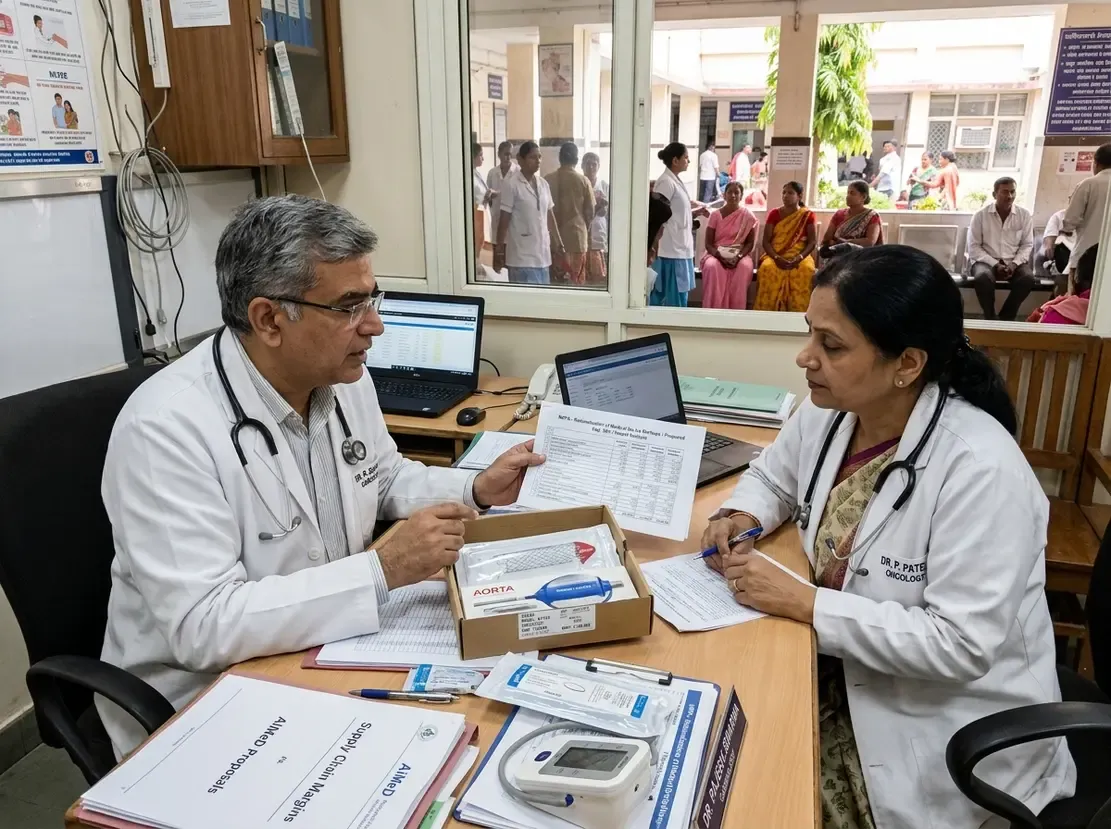
Over 61,000 Patients Await Kidney Transplants in India
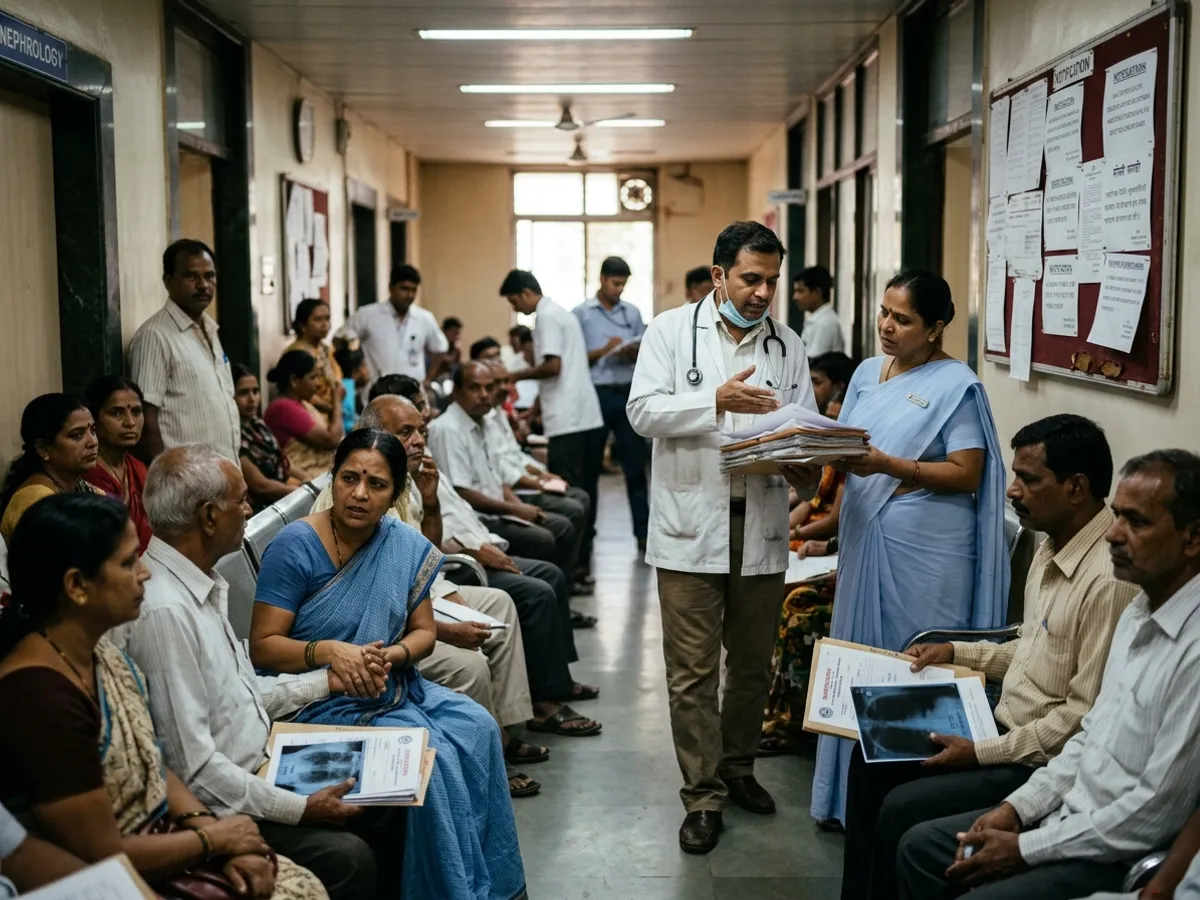
India currently faces a widening gap in organ donation, which severely impacts kidney transplants in India. Recent parliamentary data reveals that 61,668 patients remained on the national waiting list as of February 2026. However, medical centres performed only 13,476 total kidney transplants in 2024. Consequently, the active waiting list outnumbers the annual transplant output by nearly five times.
Addressing Regional Inequity in Kidney Transplants in India
Transplant procedures remain heavily concentrated in a few states, including Delhi, Tamil Nadu, Maharashtra, Gujarat, and Karnataka. Therefore, patients residing in rural, hilly, or underserved areas face severe geographical barriers to care. To address this mismatch, the Parliamentary Standing Committee on Health and Family Welfare tabled key recommendations. Specifically, the panel recommended establishing transplant units in at least three government medical colleges in large states. Furthermore, it advised creating at least one functional transplant centre in every small state and Union Territory.
Overcoming Deceased Donation Bottlenecks
Currently, living donors account for the vast majority of renal grafts. In 2024, clinicians performed 11,558 living-donor kidney transplants compared to only 1,918 deceased-donor procedures. Notably, India struggles with low deceased organ donation rates due to cultural misconceptions and procedural bottlenecks. In addition, many district hospitals lack dedicated organ retrieval infrastructure and trained transplant coordinators. The committee therefore called for a nationwide behavioural-change campaign. Moreover, hospitals must build stronger organ retrieval networks to identify potential brain-stem dead donors promptly, which is a critical competency for professionals working in emergency medicine.
Investigating Gender Disparities in Living Donation
Data from the National Organ and Tissue Transplant Organisation between 2019 and 2023 highlighted a striking gender disparity. Specifically, women constituted 63.8% of living organ donors across the country. Conversely, men accounted for 69.8% of all organ recipients during the same period. Consequently, the parliamentary panel called for comprehensive research into this imbalance. Future studies will explore whether socioeconomic pressures, cultural expectations, or financial dependencies drive this divergence.
Frequently Asked Questions
Q1: Why is there a large waiting list for kidney transplants in India?
The gap stems from low deceased-donor organ donation rates, lack of public awareness, procedural delays, and limited retrieval centres in non-metro areas.
Q2: What did the parliamentary committee recommend to improve transplant access?
The panel recommended setting up kidney transplant facilities in at least three government medical colleges in large states and one in every small state and Union Territory.
Q3: What gender disparity exists in living kidney donations in India?
NOTTO data from 2019 to 2023 showed women accounted for 63.8% of living organ donors, whereas men comprised 69.8% of transplant recipients.
References
- Over 61,000 wait for kidney transplants - ETHealthworld
- National Organ and Tissue Transplant Organisation (NOTTO) Annual Report - Ministry of Health and Family Welfare
- Department-related Parliamentary Standing Committee on Health and Family Welfare Report on Chronic Kidney Disease - Parliament of India