Revolutionizing Home Oxygen Care for India's COPD Crisis
Expanding Long-Term Oxygen Therapy Access in India
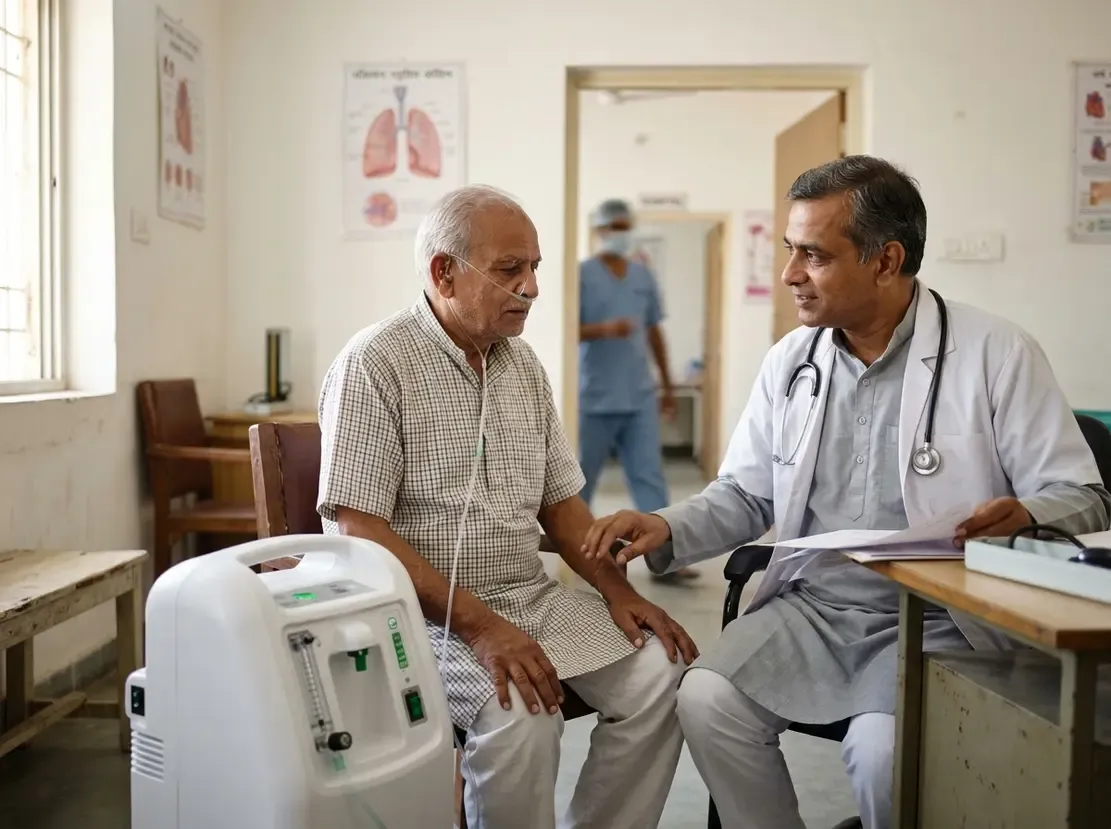
India confronts a steep burden of chronic respiratory conditions across its aging demographic. Consequently, clinicians increasingly prescribe long-term oxygen therapy to manage chronic hypoxaemic respiratory failure. Philips recently introduced the Oxygenate 5 stationary oxygen concentrator in India to address this demand. Moreover, this stationary system provides dependable flow rates for homebound patients with advanced pulmonary illness.
Epidemiological Burden and Clinical Indications
Chronic obstructive pulmonary disease represents a leading contributor to morbidity nationwide. Specifically, recent meta-analyses indicate that COPD affects approximately 13% of Indian adults. Furthermore, the prevalence escalates sharply to 27% among adults aged 60 years and older. Therefore, timely identification of severe hypoxaemic remains vital for reducing pulmonary vascular complications. Guidelines recommend home oxygen when resting arterial oxygen saturation falls to 88% or lower. Additionally, patients with cor pulmonale or polycythemia benefit when PaO2 remains between 56 and 59 mmHg. For physicians expanding their expertise in treating chronic respiratory disorders, intensive care medicine principles provide critical guidance for managing advanced cases.
Optimizing Stationary Concentrator Delivery at Home
Managing severe respiratory conditions at home demands both user safety and therapeutic adherence. As a result, modern stationary concentrators integrate quiet compressors and intuitive interfaces. Bharath Sesha, Managing Director at Philips Indian Subcontinent, emphasized that innovation must simplify home management. In addition, dependable oxygen flow supports daily comfort and preserves physical independence. However, clinicians must titrate oxygen flow rates carefully to avoid hypercapnic respiratory depression. Ultimately, structured patient education ensures reliable therapy adherence over extended periods.
Frequently Asked Questions
Q1: What are the primary indications for prescribing long-term oxygen therapy in COPD?
Clinicians prescribe this therapy for resting oxygen saturation at or below 88%, or PaO2 below 55 mmHg. Additionally, presence of cor pulmonale or polycythemia justifies therapy at PaO2 between 56 and 59 mmHg.
Q2: How does a stationary oxygen concentrator operate in home care?
The device extracts ambient room air, separates nitrogen via molecular sieve beds, and delivers concentrated oxygen. Consequently, it supplies continuous medical-grade oxygen without requiring frequent cylinder refills.
Q3: How many hours daily must patients use home oxygen therapy for clinical benefit?
Clinical trials demonstrate that patients achieve mortality benefits by using oxygen therapy for at least 15 hours daily. Furthermore, uninterrupted nocturnal use remains critical for preventing overnight hypoxaemia. Medical professionals looking to deepen their knowledge in respiratory care can explore specialized pulmonologyity courses to stay updated with modern treatment protocols.
References
- Philips launches Oxygen concentrator amid rising respiratory care demand - ETHealthworld
- Burden of chronic obstructive pulmonary disease among Indian adults: systematic review and meta-analysis - PubMed
- Global Initiative for Chronic Obstructive Lung Disease (GOLD) 2026 Report
- Home Oxygen Therapy for Adults with Chronic Lung Disease - American Thoracic Society Clinical Practice Guideline