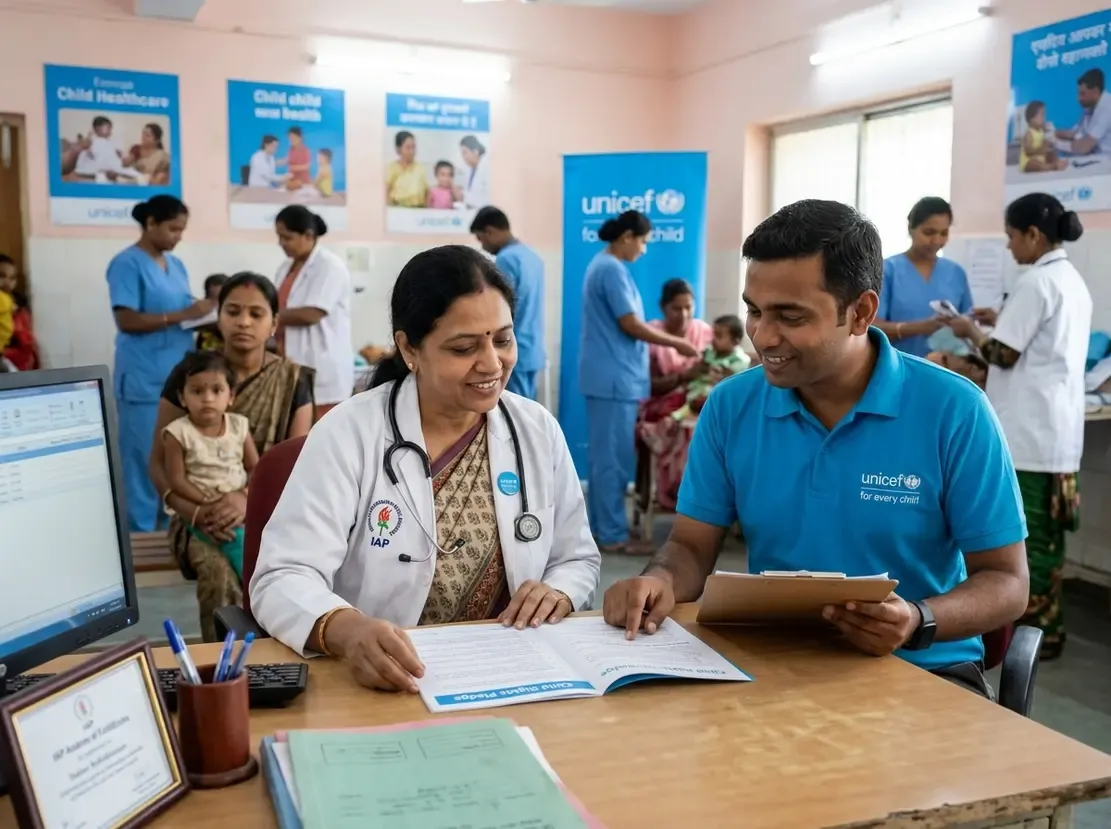
Can India Beat Malaria Despite Climate & Vector Threats?
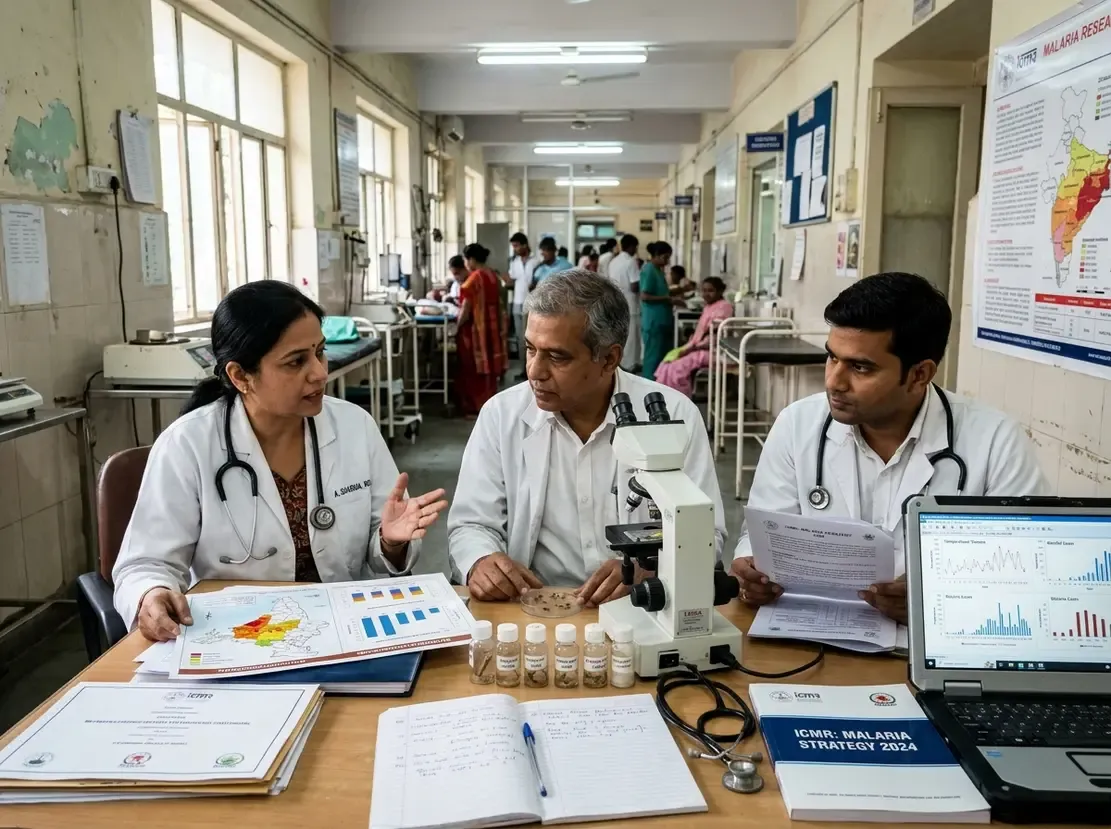
Milestones in the National Fight Against Malaria
India has achieved substantial progress toward national malaria eradication over the past decade. Consequently, reported malaria cases and related deaths decreased by nearly eighty percent between 2015 and 2025. In addition, the World Health Organization removed India from the High Burden to High Impact category in 2024. Health workers have successfully reduced high-burden districts across the country from 155 to just 33.
Furthermore, more than 160 districts reported zero indigenous transmission over recent consecutive years. Improved diagnostic techniques and effective artemisinin combination therapies made this victory possible. Moreover, expanded mosquito-control campaigns and active community surveillance drove transmission down substantially.
Emerging Threats to Malaria Eradication
However, emerging ecological and biological hurdles threaten these hard-won achievements. President Droupadi Murmu recently emphasized these dangers during the golden jubilee of the ICMR National Institute of Malaria Research. Specifically, shifting monsoon cycles and rising ambient temperatures expand mosquito breeding windows across diverse regions.
In addition, unplanned urban growth creates persistent artificial breeding sites in previously safe metropolitan areas. Consequently, vector species adapt rapidly to new ecological niches. Furthermore, increasing mosquito resistance to widely used chemical insecticides severely undermines traditional vector control protocols. Therefore, routine vector management strategies require rapid adaptation.
Clinical Implications and the One Health Approach
Medical professionals across India face changing epidemiology that demands heightened clinical vigilance. For instance, overlapping clinical presentations of malaria and dengue frequently complicate seasonal fever management. Therefore, doctors must maintain high diagnostic suspicion and deploy rapid molecular tests promptly.
Moreover, healthcare teams cannot eliminate vector-borne diseases through clinical treatment alone. Instead, medical officers must advocate for aggressive source reduction and integrated environmental management. Thus, intersectoral cooperation between clinicians, municipal bodies, and communities remains essential for lasting emergency medical care and elimination.
Frequently Asked Questions
Q1: Why did India exit the WHO High Burden to High Impact group?
India exited the category in 2024 because sustained public health interventions reduced malaria incidence and mortality by nearly eighty percent.
Q2: How does climate change impact malaria eradication in India?
Changing rainfall patterns and warmer temperatures extend mosquito breeding seasons, thereby introducing vectors into previously unaffected urban and highland regions.
Q3: What role does insecticide resistance play in vector control?
Mosquitoes develop resistance to standard chemical insecticides, which reduces the efficacy of indoor residual spraying and insecticide-treated bed nets.
References
- Climate change, insecticide resistance could threaten malaria eradication: Murmu - ETHealthworld
- Press Information Bureau. President of India inaugurates Golden Jubilee celebrations of ICMR–National Institute of Malaria Research. Government of India; 2026.
- World Health Organization. High Burden to High Impact: A targeted malaria response. Geneva: WHO; 2024.