ICMR-NIN Flags Thiamine Deficiency in Expectant Mothers
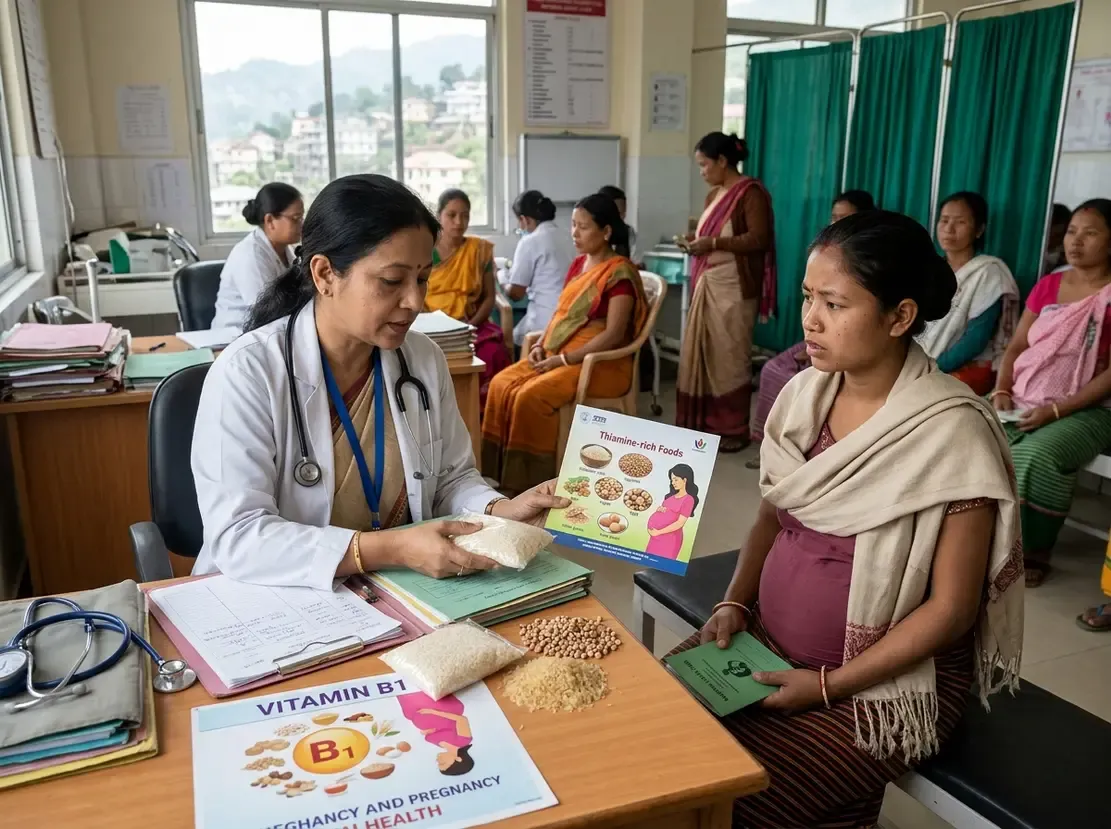
Recent clinical data highlights a growing concern regarding maternal thiamine deficiency across vulnerable regions in India. A survey by the ICMR-National Institute of Nutrition revealed alarming vitamin B1 shortages among expectant mothers. Specifically, the study analyzed 1,083 women living across 120 villages in Assam’s Barak Valley and Tripura. These regions have historically witnessed clusters of beriberi, an acute condition resulting from inadequate vitamin intake. Consequently, maternal health experts urge clinicians to maintain high vigilance during routine antenatal checkups.
Key Findings on Maternal Thiamine Deficiency
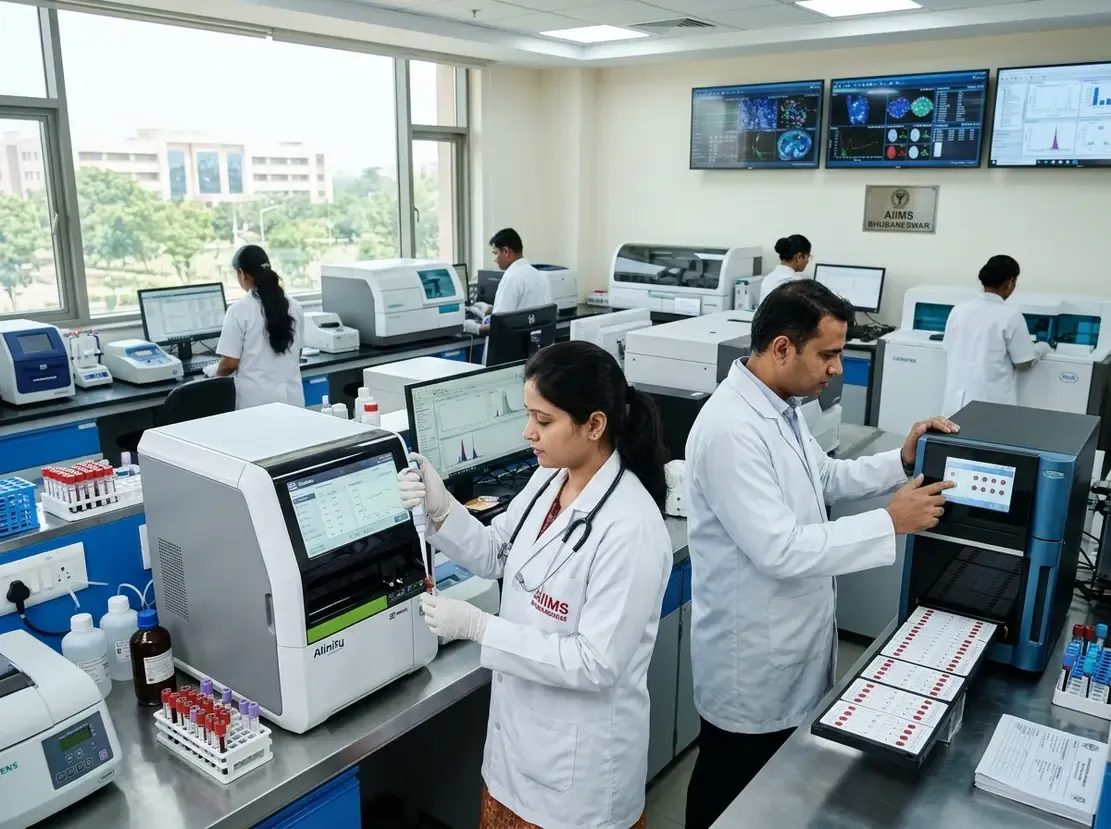
The ICMR-NIN investigators utilized two distinct biochemical markers to ensure diagnostic precision. First, they measured whole-blood thiamine diphosphate concentrations using liquid chromatography. This biochemical assessment showed that 20.1% of participants had suboptimal thiamine levels. In this cohort, 4.9% experienced outright deficiency, while 15.2% demonstrated marginal status.
Furthermore, the researchers performed an erythrocyte transketolase activation coefficient assay as a functional evaluation. This secondary test confirmed a comparable deficiency prevalence of 20.6%. Within this bracket, 8.5% suffered severe deficiency and 12.1% had marginal reserves. Importantly, pregnant women faced higher vulnerability compared to lactating mothers. Therefore, elevated metabolic demands during gestation rapidly deplete maternal reserves.
Dietary Drivers and Sociodemographic Risk Factors
Dietary monotony remains the primary driver behind this micronutrient crisis. In these rural communities, expectant mothers consume predominantly polished, rice-based diets devoid of diverse food groups. Moreover, routine post-harvest and culinary practices exacerbate nutrient depletion. For instance, families frequently consume aged stored rice and repeatedly wash raw grains before boiling. As a result, water-soluble thiamine leaches away into discarded wash water.
Additionally, certain lifestyle habits directly impair thiamine bioavailability. Many women routinely consume betel nuts and drink traditional salted tea. Both substances contain anti-thiamine factors that degrade the vitamin before absorption. Furthermore, socioeconomic marginalization compounds the problem by restricting access to nutrient-rich pulses and animal proteins.
Clinical Implications for Obstetric and Neonatal Care
Thiamine acts as a crucial coenzyme in carbohydrate metabolism and neural functioning. Consequently, gestational thiamine depletion carries devastating clinical implications for both mother and fetus. Expectant mothers with low thiamine face elevated risks of gestational neuropathy, cardiovascular dysfunction, and Wernicke encephalopathy.
Similarly, neonates born to thiamine-depleted mothers face severe risks during infancy. Exclusively breastfed infants receive breast milk with inadequate thiamine concentrations. As a result, these infants can develop fulminant infantile beriberi. This dangerous condition presents with acute cardiac failure, aphonia, and neurological deficits. Therefore, antenatal care programs must expand beyond iron and folic acid supplementation. Clinicians should proactively evaluate maternal dietary diversity and prescribe oral thiamine in endemic districts.
Frequently Asked Questions
Q1: Why are pregnant women at higher risk for thiamine deficiency?
Pregnancy significantly increases metabolic demands and energy consumption. Therefore, the developing fetus and placenta draw heavily on maternal micronutrient stores. If the mother consumes a polished rice diet without supplementation, clinical deficiency develops rapidly.
Q2: How do culinary practices like washing rice affect thiamine levels?
Thiamine is a water-soluble vitamin concentrated primarily in the outer aleurone layer of the grain. Consequently, washing rice repeatedly before cooking washes away vital thiamine, leaving the cooked grain severely depleted.
Q3: What are the primary warning signs of infantile beriberi?
Infants suffering from thiamine deficiency often exhibit restlessness, loud aphonic crying, hoarseness, and sudden tachypnea. In addition, severe cases present with acute cardiomegaly, tachycardia, and rapid heart failure requiring immediate parenteral thiamine administration.
References
- 1 in 5 moms-to-be have suboptimal levels of thiamine: ICMR-NIN Study - ETHealthworld
- Re‐Emergence of Thiamine Deficiency Among Pregnant and Lactating Women in Northeast India - Annals of the New York Academy of Sciences
- Thiamine deficiency in pregnancy and lactation: implications and present perspectives - Frontiers in Nutrition