
Malappuram Measles Surge: Urgent Measures & Key Updates
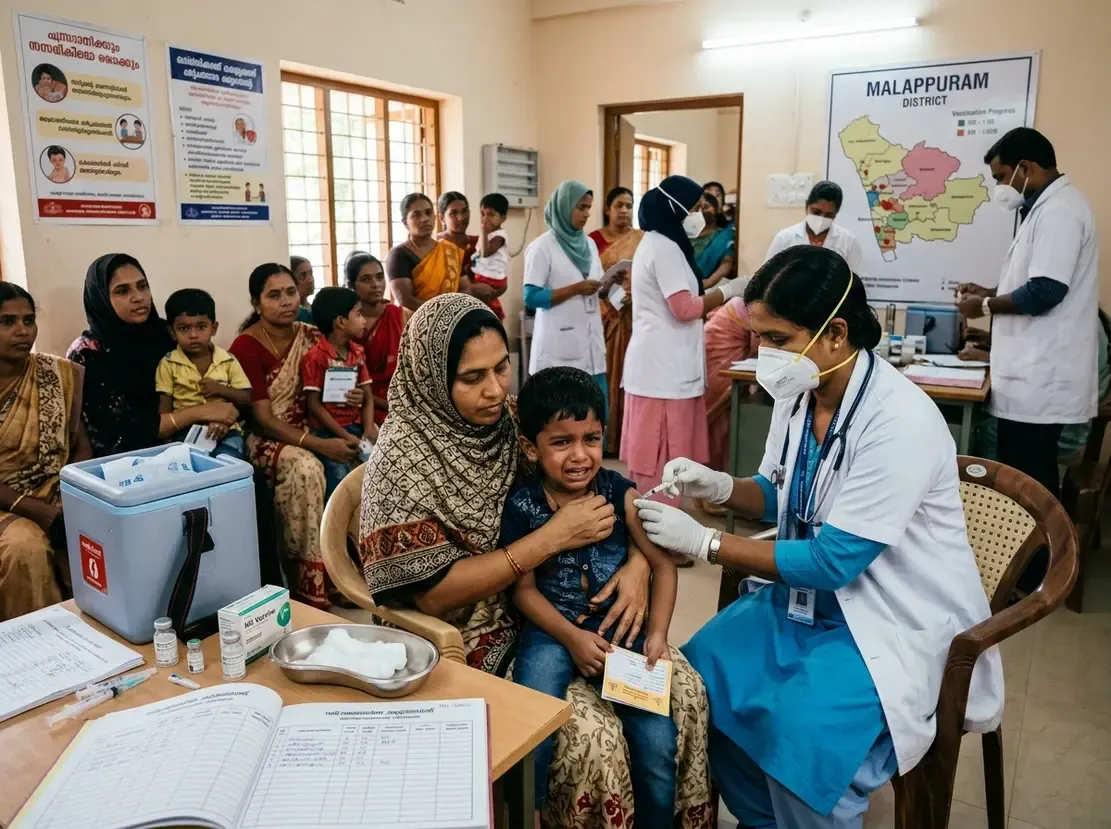
The Kerala Health Department has recently intensified surveillance following a sudden measles outbreak in Malappuram. Specifically, health workers identified nearly one hundred suspected cases and several laboratory-confirmed infections in the Valavannur health block. In addition, officials are investigating a recent pediatric death linked to the infection. Consequently, local medical teams are implementing strict containment protocols to prevent further spread across neighboring regions.
Addressing the Measles Outbreak in Malappuram
Epidemiological data reveals that children represent the overwhelming majority of affected individuals in this surge. Alarmingly, authorities noted that approximately 70 percent of infected children had not received their scheduled measles vaccines. Therefore, public health experts highlight immunisation gaps as the primary driver behind this resurgence. Furthermore, historical hesitancy in certain pockets continues to leave vulnerable pediatric cohorts unprotected against preventable transmission.
To combat this challenge, the district administration is collaborating closely with local community and religious leaders. For instance, mosques now share critical immunisation reminders during congregational prayers to rebuild public trust. Meanwhile, educational institutions are convening special assemblies to educate parents and students on personal hygiene. Health workers also conduct doorstep tracking and rapid vaccination mop-up drives in heavily impacted areas.
Clinical Presentation and Diagnostic Pearls
Measles is a highly contagious airborne illness that belongs to the paramyxovirus family. Typically, the infection begins with prominent prodromal symptoms such as high fever, cough, coryza, and conjunctivitis. In addition, clinicians frequently detect pathognomonic Koplik spots on the buccal mucosa during early evaluation. However, the characteristic maculopapular rash usually appears several days later, beginning along the hairline before spreading downward.
Because the virus spreads through respiratory droplets, isolation remains crucial for containment. Consequently, medical officers advise caregivers not to send symptomatic children to schools or crowded facilities. Moreover, physicians must remain alert for severe complications, including acute otitis media, bronchopneumonia, and measles-associated encephalitis. Timely supportive care and high-dose vitamin A administration significantly reduce morbidity among hospitalized pediatric patients.
Immunisation Strategies and Prevention Protocols
Sustained population-wide immunisation remains the most effective safeguard against recurrent measles flare-ups. Under the national immunisation schedule, infants receive their first measles-containing vaccine dose at nine months of age. Subsequently, children require a second booster dose between fifteen and eighteen months to secure robust immunity. As a result, achieving over 95 percent coverage ensures herd protection across communities.
Nevertheless, missed doses create pockets of susceptibility that permit airborne transmission chains to flourish. Thus, pediatricians play a vital role in identifying unvaccinated children during routine clinic visits. Health authorities urge practitioners across Kerala to review vaccination records diligently at every clinical encounter. Ultimately, proactive community engagement and timely vaccine delivery will determine long-term eradication success.
Frequently Asked Questions
Q1: What initiated the recent measles containment drive in Malappuram?
The health department stepped up measures following reports of nearly one hundred suspected cases and six confirmed measles infections in the Valavannur block.
Q2: Why are children in the region particularly vulnerable to the infection?
Data indicates that approximately 70 percent of affected children had missed routine MMR vaccination doses, creating dangerous immunity gaps in the community.
Q3: What standard vaccination schedule protects infants against measles in India?
Guidelines recommend the first measles-containing vaccine dose at nine months of age, followed by a second booster dose between fifteen and eighteen months.
References
- Health dept steps up measures against measles outbreak in Malappuram - ETHealthworld
- World Health Organization - Measles and Rubella Surveillance and Immunization Guidelines
- Indian Academy of Pediatrics - Guidebook on Immunization and Vaccine Schedules


