Bangladesh Starts Vital Measles Drive to Curb Outbreak

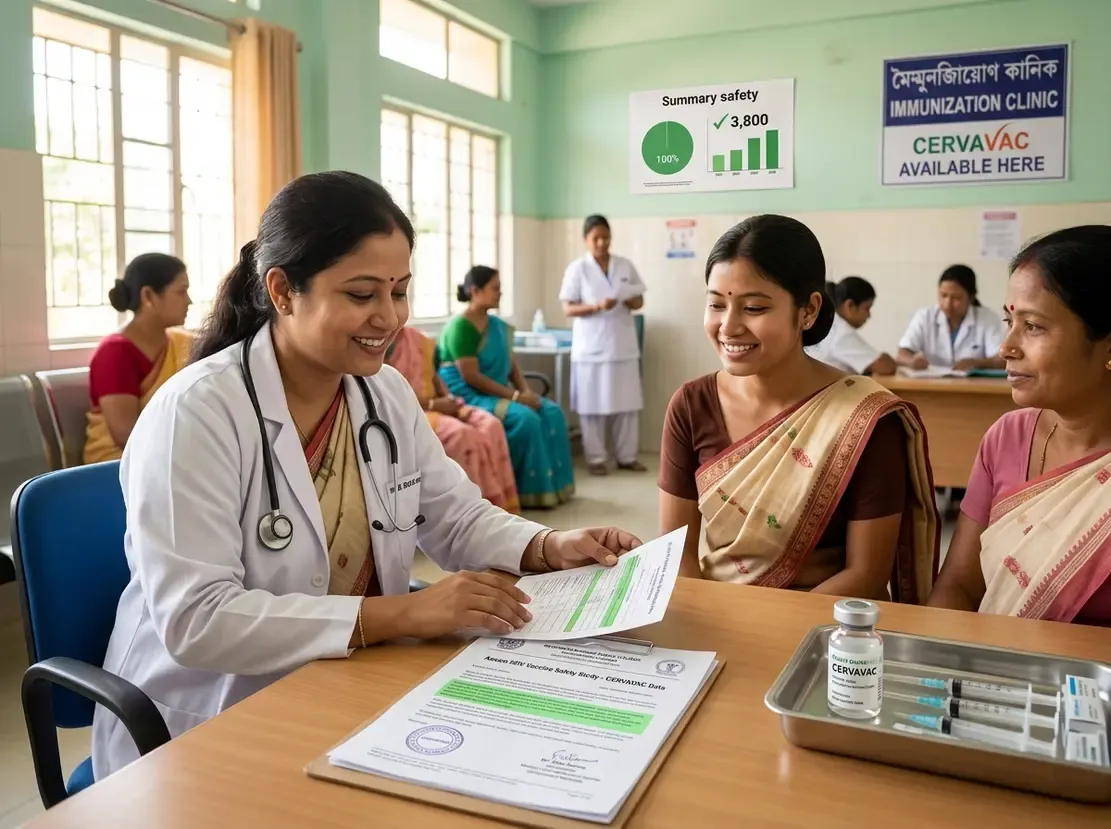
Bangladesh has initiated an extensive measles vaccination drive across the country to protect vulnerable pediatric populations. Consequently, healthcare teams are mobilizing to immunize 3.4 million unreached children. The nation currently confronts an unprecedented measles surge. Indeed, the crisis has caused more than 1,000 fatalities and tens of thousands of hospitalizations. Health officials lowered the eligibility age from nine months to six months to halt transmission.
Scale of the Outbreak in Bangladesh
The ongoing epidemic represents the largest recorded measles outbreak globally. According to international health agencies, surveillance systems registered nearly 187,000 suspected cases and over 21,000 lab-confirmed infections. Furthermore, more than 165,000 patients required hospital admission. This massive surge severely strains local health facilities. In addition, hospitals face a concurrent seasonal surge in dengue cases. Political unrest and supply interruptions in 2024 and 2025 initially disrupted routine childhood immunizations. Therefore, vast cohorts of young children missed their scheduled measles doses. These accumulated immunity gaps accelerated viral transmission across entire communities.
Why the Measles Vaccination Drive Is Crucial
Measles is an extraordinarily contagious viral infection. Thus, interrupting community transmission requires exceptionally high population immunity. Emergency teams have already delivered vaccines to nearly 20 million children since April. However, critical gaps persist among vulnerable infants under nine months of age. Maternal antibodies decline rapidly in early infancy. Because of this waning protection, infants face severe complications such as pneumonia and encephalitis. Consequently, public health leaders expanded the target age bracket to include infants from six to 59 months. Timely supplementary immunization rapidly closes population-level susceptibility. Moreover, administering oral vitamin A alongside the vaccine reduces case fatality rates dramatically.
Clinical Lessons for Indian Healthcare Providers
This regional public health crisis holds significant relevance for clinicians in India. First, porous borders facilitate cross-border movement, elevating the risk of imported infections. Therefore, pediatricians in border states must maintain high clinical suspicion for fever-rash illnesses. Clinicians should also verify vaccination histories at every clinical encounter. Additionally, healthcare centers must strengthen routine coverage of the measles-rubella (MR) vaccine under the Universal Immunization Programme. Doctors should actively counsel hesitant parents regarding the safety of the vaccine. Furthermore, prompt notification of suspected cases remains vital for rapid outbreak containment.
Frequently Asked Questions
Q1: Why did authorities lower the vaccination age to six months during this outbreak?
Authorities lowered the age because infants under nine months lack maternal antibody protection and face high mortality during intense outbreaks. An early dose provides urgent temporary protection.
Q2: Does an infant vaccinated at six months still require standard routine doses?
Yes, infants receiving an early outbreak dose still require their two standard routine doses. Consequently, these routine doses ensure long-lasting immune memory.
Q3: How does measles transmission affect healthcare systems in neighboring India?
Frequent cross-border travel can introduce the virus into pockets of unvaccinated children in India. Therefore, Indian pediatricians must maintain strict surveillance and ensure complete MR immunization.
References
- Bangladesh launches measles vaccination drive amid deadly outbreak - ETHealthworld
- World Health Organization. Measles - Bangladesh Disease Outbreak News. WHO; 2026.
- Centers for Disease Control and Prevention. Measles Vaccination and Outbreak Response. CDC; 2026.