India Crosses 420 Million Screenings for Chronic Illness

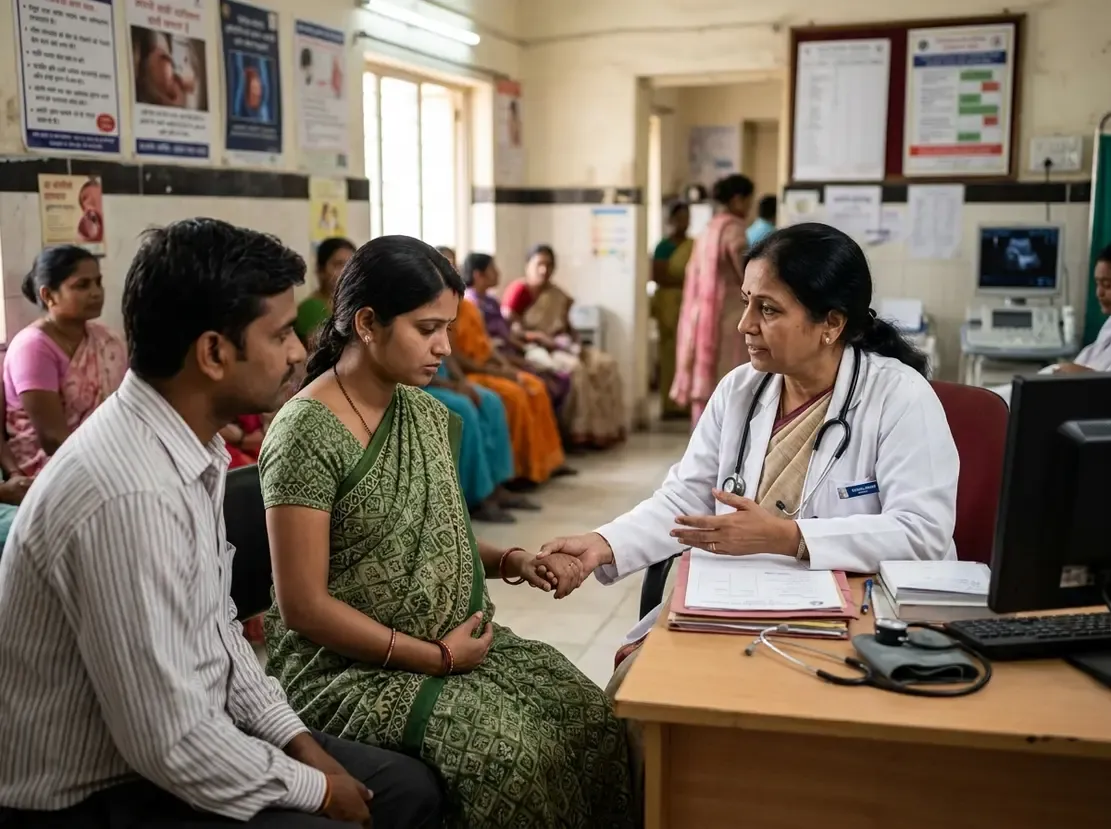
Recently, Union Health Minister J P Nadda highlighted major preventive healthcare milestones achieved across the public health infrastructure. Robust NCD screening in India has transformed how clinicians detect and treat asymptomatic cardiovascular and metabolic disorders. Ayushman Arogya Mandirs have now completed more than 420 million screenings for hypertension and diabetes nationwide. In addition, primary health teams evaluated 360 million people for oral cancer and 170 million for breast cancer. Cervical cancer evaluations also surpassed 90 million screenings among adult women. Consequently, these outreach drives enable frontline practitioners to diagnose life-threatening conditions before irreversible organ damage develops.
Expanding NCD Screening in India Across Primary Care Networks
India currently operates approximately 1.86 lakh functional Ayushman Arogya Mandirs across various states. These decentralized wellness centres deliver comprehensive preventive, promotive, and primary curative services directly to rural and urban communities. Specifically, frontline health workers screen every consenting individual aged 30 and older for five common non-communicable diseases. ASHAs and community health officers use standardized clinical checklists to identify high-risk individuals rapidly. Furthermore, patients receive immediate blood pressure readings and point-of-care capillary blood glucose tests at their local facility. Therefore, community members access essential primary diagnostics without traveling long distances to district hospitals.
Strengthening Continuum of Care and Financial Protection
Early screening yields maximum clinical benefits only when robust referral pipelines support confirmed patients. Notably, the National Health Policy emphasizes seamless linkages between primary, secondary, and tertiary medical centres. Parallel national programs ensure diagnosed individuals receive uninterrupted supplies of affordable essential medications. For instance, more than 20,000 Jan Aushadhi Kendras offer quality generic drugs at reduced rates. Moreover, the expanded AB-PMJAY program covers inpatient care costs up to five lakh rupees annually per family. Recent government reforms extended this financial protection to 60 million senior citizens aged 70 and above. As a result, out-of-pocket health expenditures fell from 62 percent in 2014 to 43.4 percent in 2022.
Clinical Implications for Medical Practitioners
Primary care clinicians must leverage these widespread screening records to optimize outpatient chronic disease protocols. Routine opportunistic screening reinforces early pharmacological intervention for prediabetes and stage-one hypertension. However, doctors should also counsel patients on sustainable lifestyle modifications during routine consultations. Healthy dietary patterns and regular physical activity substantially curb cardiovascular morbidity across diverse patient cohorts. Thus, combining mass community screening with clinical counseling creates a resilient public health defense against chronic illnesses.
Frequently Asked Questions
Q1: What conditions does the adult population screening programme cover?
The programme systematically targets five major non-communicable diseases: hypertension, type 2 diabetes, oral cancer, breast cancer, and cervical cancer in adults aged 30 and older.
Q2: How do Ayushman Arogya Mandirs support chronic disease management?
These centres provide free primary screenings, essential diagnostic tests, routine follow-ups, and reliable referrals to secondary and tertiary medical facilities.
Q3: Who qualifies for the expanded AB-PMJAY secondary healthcare benefits?
The scheme now protects over 600 million eligible citizens, including all seniors aged 70 years and above regardless of income.
To further enhance your expertise in managing public health challenges, consider enrolling in a Certificate Program in Family Medicine.
References
- 420 million screened for hypertension, diabetes under central scheme: Nadda - ETHealthworld
- Update on Ayushman Arogya Mandir (AAMs) - Press Information Bureau (PIB), Government of India
- National Programme for Prevention and Control of Non-Communicable Diseases (NP-NCD) - Ministry of Health and Family Welfare (MoHFW)