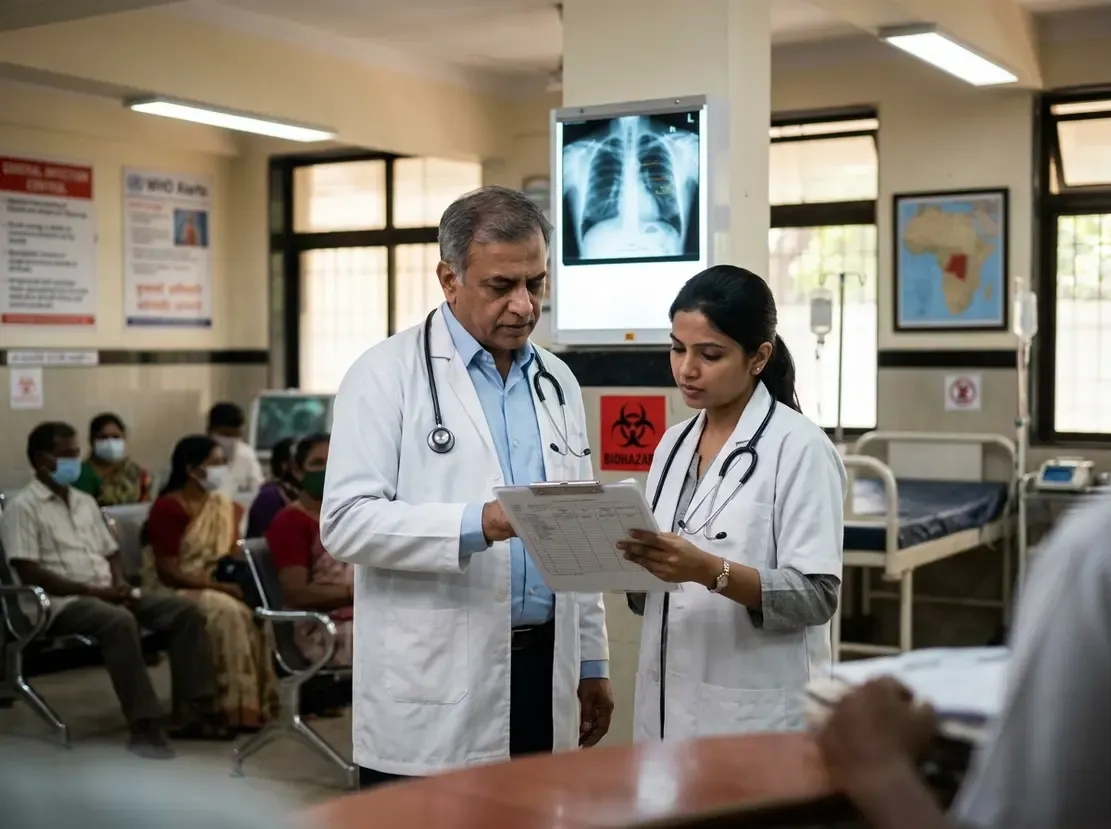
How India Is Pioneering Next Generation Medical Care
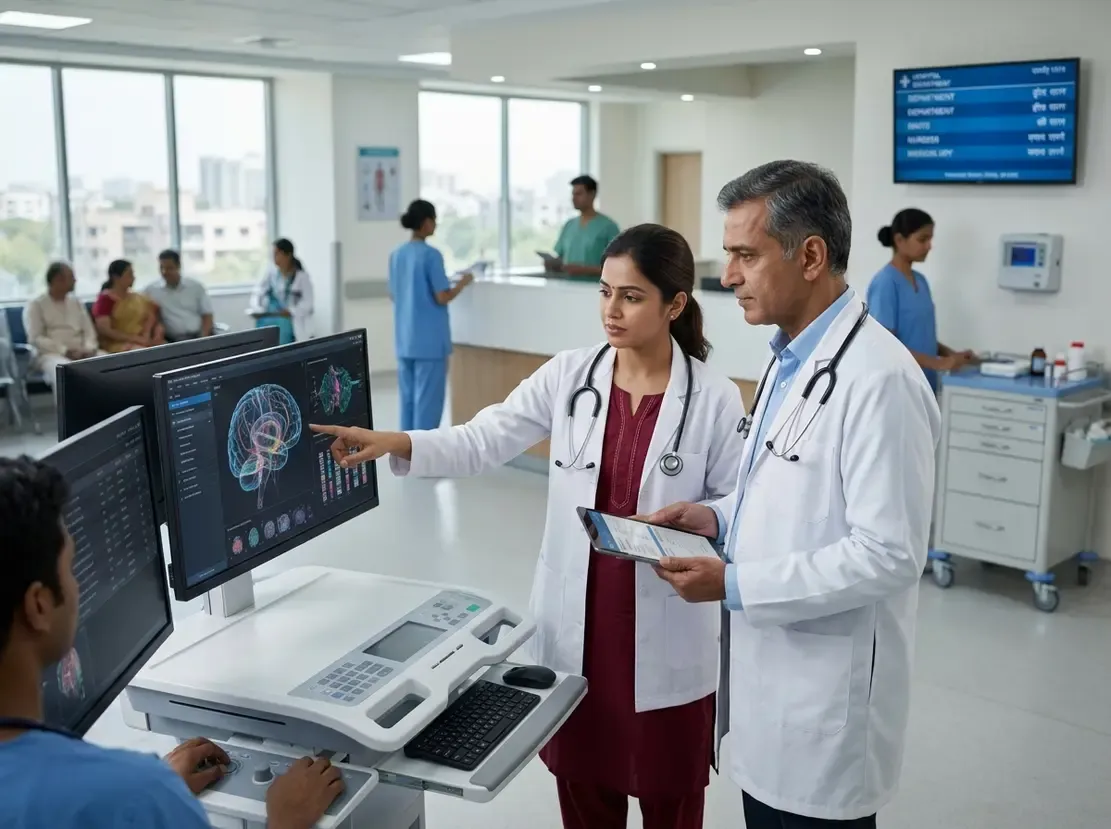
India is rapidly advancing its healthcare framework to lead next generation medical practices across the globe. Speaking at the Aarogya Shikhar Samman in Jammu, Union Minister Dr. Jitendra Singh highlighted this critical momentum. Furthermore, he emphasized that modern medicine requires an optimum synergy between clinical acumen and high-tech innovations. Emerging technologies like artificial intelligence and genomics are redefining diagnostics and patient management. Consequently, Indian medical professionals must adapt to these tools without losing sight of fundamental clinical skills.
Balancing Clinical Judgement and Technology
Modern diagnostics offer rapid turnaround times and unprecedented precision. For instance, artificial intelligence now accelerates automated culture analysis and complex genetic sequencing. However, excessive reliance on technology risks eroding the bedside diagnostic skills of a physician. Dr. Singh cautioned clinicians against treating automated reports as total replacements for physical examination. Therefore, doctors must maintain their intuitive clinical sense during everyday practice. In addition, the minister warned against unnecessary investigative workups that burden patients financially. Unjustified tests strain healthcare resources and erode trust between patients and doctors. Thus, physicians should order investigations judiciously to safeguard professional ethics and clinical integrity.
Indigenous Innovations in Next Generation Medical Practices
India's biotechnology sector is achieving historic milestones through targeted policies like the BioE3 framework. Specifically, the BioE3 initiative promotes biotechnology for the environment, economy, and employment. This national policy fosters high-performance biomanufacturing, precision medicine, and biofoundry networks. Moreover, indigenous medical research is solving complex genetic disorders. A notable example is India's successful gene therapy trial for severe hemophilia A. Conducted at Christian Medical College Vellore, this breakthrough study appeared in the New England Journal of Medicine. The lentiviral vector therapy eliminated bleeding episodes in trial participants. As a result, domestic clinical research is establishing remedies for conditions historically addressed only in Western laboratories.
Frontiers in Nanomedicine and Nuclear Oncology
Therapeutic medicine in India is expanding into cutting-edge domains such as nanomedicine and targeted radioisotopes. For example, Indian scientists are developing nano-insulin formulations for oral administration. This novel delivery mechanism could eventually free millions of diabetic patients from routine daily injections. In addition, researchers are designing smart nanobots for targeted drug delivery in breast cancer. Similarly, nuclear medicine units are showing great success in treating refractory acute lymphoblastic leukemia. To accelerate such breakthroughs, the government announced a substantial research and innovation fund. Consequently, academic medical centres can access financial grants and advanced laboratory infrastructure to pursue translational clinical research.
Frequently Asked Questions
Q1: Why must clinicians balance artificial intelligence with clinical acumen?
While artificial intelligence accelerates diagnostics, automated tools cannot replace hands-on physical exams and human clinical judgment. Therefore, doctors must treat digital insights as diagnostic aids rather than substitutes for careful bedside evaluations.
Q2: How does the BioE3 policy influence medical practice in India?
The BioE3 policy accelerates the domestic production of precision therapeutics, monoclonal antibodies, and gene therapies. Consequently, Indian healthcare institutions can access affordable indigenous biologics tailored to regional genetic profiles.
Q3: What clinical breakthrough did Indian researchers achieve in hemophilia treatment?
Researchers at CMC Vellore successfully completed a clinical trial using autologous stem cell gene therapy for hemophilia A. As a result, trial participants experienced zero bleeding episodes without requiring frequent factor infusions.
References
- India poised to globally lead next generation of medical practices: JitendraSingh - ETHealthworld
- Department of Biotechnology, Ministry of Science and Technology, Government of India - BioE3 Policy for Fostering High Performance Biomanufacturing
- Christian Medical College Vellore & Centre for Stem Cell Research - Lentiviral Gene Therapy with CD34+ Hematopoietic Cells for Hemophilia A, New England Journal of Medicine