New NMC Guidelines Give Colleges Full Faculty Autonomy

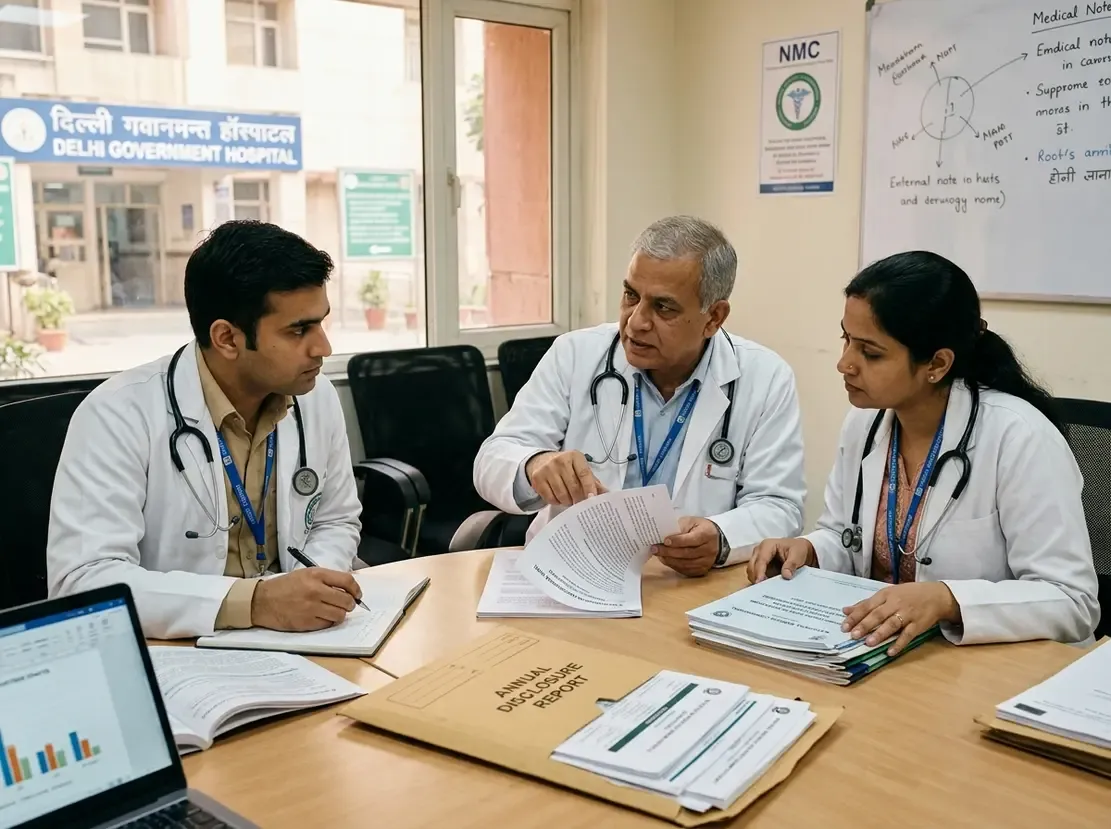
The National Medical Commission (NMC) has announced a major policy shift regarding medical teaching posts in India. Specifically, the commission decided that medical institutions will now independently manage their recruitment and promotions. Consequently, the Post-Graduate Medical Education Board (PGMEB) will stop issuing routine eligibility clearances. Colleges must strictly follow the NMC faculty appointment guidelines under the 2025 faculty qualifications regulations. This shift emphasizes the need for high standards in medical education and the professional development of new doctors and faculty members.
Understanding the New NMC Faculty Appointment Guidelines
Previously, many candidates routinely approached the NMC for eligibility clearances because these certificates faced very little scrutiny. However, this practice created massive administrative backlogs and unnecessary delays for institutions. Therefore, the regulator has decentralised this authority to improve institutional accountability and streamline operations. Now, the primary responsibility for determining candidate eligibility rests entirely with the appointing authority, university, or medical college. Institutions looking to bolster their academic departments may also look toward advanced clinical certification programs to ensure their staff meet contemporary global standards.
Exceptions, Fees, and Review Mechanisms
Although the NMC has decentralised routine clearances, it will still address exceptional cases involving complex regulatory ambiguity. Nevertheless, institutions must submit these specific references along with a processing fee of Rs 25,000 plus GST. Additionally, candidates can appeal directly to the NMC if their college fails to forward their case within 60 days. Furthermore, the commission has established a new review mechanism allowing dissatisfied applicants to seek redressal within 30 days of an institutional decision.
Frequently Asked Questions
Q1: What are the new NMC faculty appointment guidelines for routine clearances?
The NMC will no longer issue routine eligibility certificates. Instead, individual medical colleges and appointing authorities are fully responsible for determining faculty eligibility under the 2025 regulations.
Q2: How much does the NMC charge to process exceptional cases?
The NMC will process exceptional cases involving regulatory ambiguity for a fee of Rs 25,000 plus GST. However, the head of the institution must forward these applications.
Q3: Can individual faculty members appeal an institution’s eligibility decision?
Yes, applicants who are dissatisfied with a medical college’s decision can seek a formal review from the NMC within 30 days.
References
- Medical colleges to decide own faculty appointments, promotions: NationalMedical Commission – ETHealthworld
- NMC will no longer issue eligibility certificates to doctors seeking teaching posts in routine cases – The Hindu
- NMC: No ‘routine’ queries on teacher eligibility; PGMEB to consider ‘exceptional cases’ for Rs 25000 fee – News By Careers360
Disclaimer: This article was automatically generated from publicly available sources and is provided for informational and educational purposes only. OC Academy does not exercise editorial control or claim authorship over this content. It is not a substitute for professional medical advice, diagnosis, or treatment. Always consult a qualified healthcare provider and refer to current local and national clinical guidelines.