NMC Investigates Severe PG Doctor Harassment in Indore
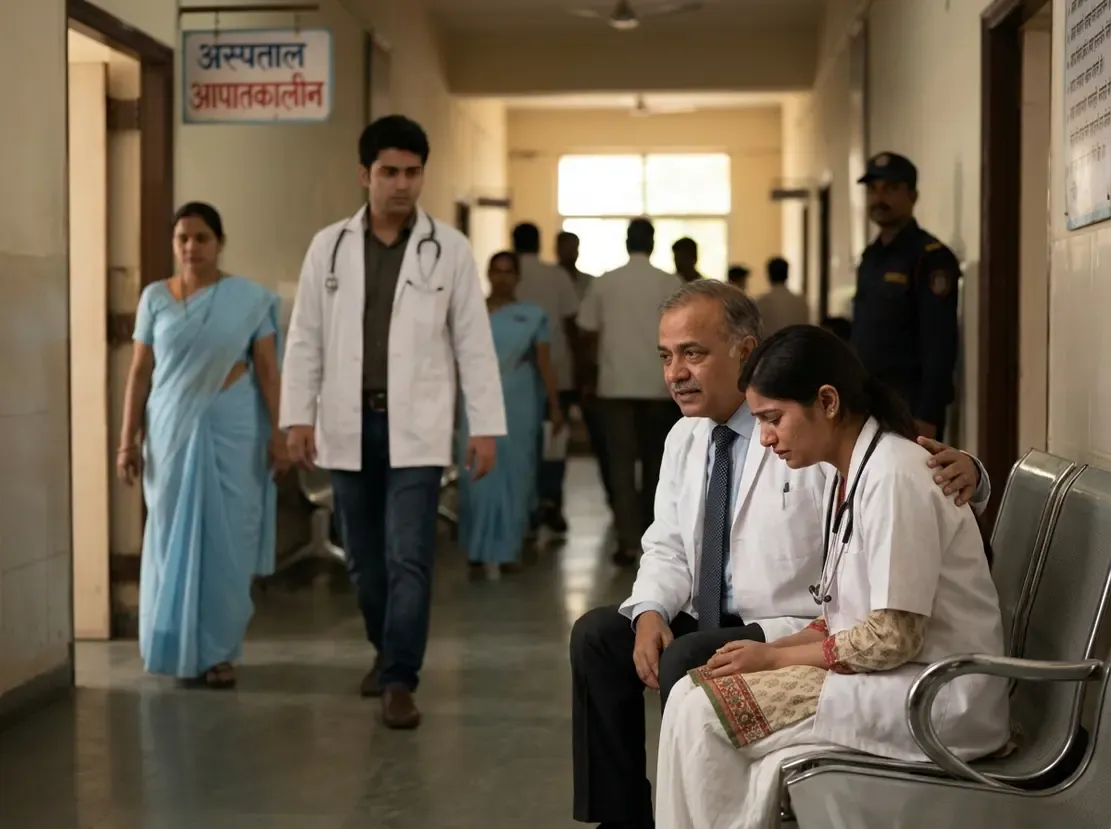
The National Medical Commission (NMC) has taken decisive regulatory action to address severe PG doctor harassment across Indian medical institutions. Following an alleged suicide attempt by a first-year postgraduate resident in Indore, the apex body demanded an immediate para-wise explanation. The resident, specialized in Obstetrics and Gynaecology at MGM Medical College, reportedly ingested an insulin overdose. Consequently, the council ordered the hospital administration to deliver a complete inquiry report within 24 hours.
Allegations of Toxic Work Culture and Disproportionate Duties
The resident's family submitted formal complaints detailing persistent humiliation, verbal abuse, and academic intimidation. In addition, the complaint highlights that senior doctors forced the junior resident to perform non-academic chores. Furthermore, departmental seniors routinely threatened her with punitive academic consequences over minor clinical errors.
Crucially, the regulator is scrutinizing discrepancies between official duty schedules and actual working conditions. Institutional rosters officially showed standard 12-hour shifts. However, the resident routinely logged exhausting shifts lasting 14 to 15 hours. Therefore, the NMC directed the college to submit complete biometric logs, duty rosters, and handover records. These verifiable documents will confirm whether the department subjected the resident to illegal work hours.
Regulatory Mandates on PG Doctor Harassment and Student Safety
To ensure an impartial investigation, the NMC instructed administrators to conduct confidential interviews with other postgraduate residents. Additionally, the college must preserve all electronic communications, including WhatsApp exchanges, departmental emails, and administrative records. This measure prevents the tampering of crucial evidence during the fact-finding process.
Moreover, the commission instructed the institution to guarantee absolute protection for the victim. The college administration must ensure that the resident encounters no institutional retaliation, victimization, or academic penalties. Simultaneously, the authorities must review their compliance with statutory anti-ragging regulations. For instance, the college must submit audit reports covering its Anti-Ragging Committee and student mental health counseling cells.
Systemic Crisis in Postgraduate Medical Education
This recent crisis follows another tragic resident suicide in Surat, exposing systemic mental health challenges in medical training. According to the NMC National Task Force on mental health, 26.7% of surveyed postgraduates report clinical harassment by seniors. Consequently, medical colleges face intense regulatory pressure to dismantle toxic hierarchical practices.
Furthermore, the Post Graduate Medical Education Regulations require institutions to enforce humane duty hours and mandatory rest periods. Medical colleges cannot continue to neglect resident doctor well-being while imposing unmanageable clinical workloads. Therefore, strict enforcement of anti-ragging directives remains imperative to protect resident physicians across the nation.
Frequently Asked Questions
Q1: What prompted the NMC inquiry at MGM Medical College Indore?
The NMC intervened after a first-year postgraduate resident in Obstetrics and Gynaecology attempted suicide through an insulin overdose. The resident's family alleged persistent workplace bullying, excessive duty shifts, and threats of academic sabotage by senior colleagues.
Q2: What specific records did the NMC demand from the college?
The regulatory authority demanded duty rosters, biometric attendance logs, leave records, and patient handover registers. Furthermore, the commission directed the medical college to preserve digital evidence, including relevant emails and WhatsApp messages.
Q3: How prevalent is harassment during postgraduate residency in India?
A survey by the NMC National Task Force revealed that 26.7% of medical students reported harassment by senior postgraduates in clinical settings. Consequently, regulatory bodies continue to demand stricter anti-ragging compliance and accessible mental health support systems.
References
- After recent PG doctor suicide, NMC seeks report on harassment allegations atIndore medical college - ETHealthworld
- Report of the National Task Force on Mental Health and Well-being of Medical Students - National Medical Commission
- Post-Graduate Medical Education Regulations (PGMER) 2023 - National Medical Commission