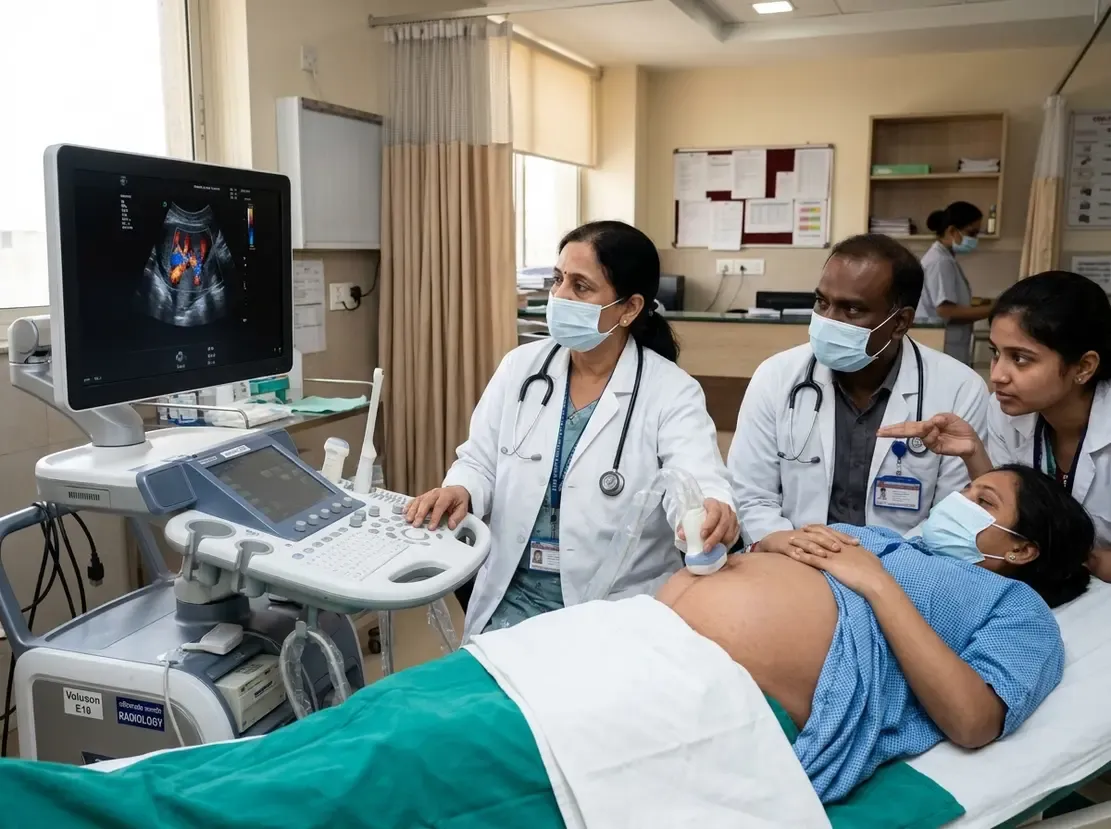
Does Episiotomy Prevent Severe Perineal Tears in OVD?

Operative vaginal delivery carries a well-documented risk of maternal perineal morbidity. Consequently, preventing obstetric anal sphincter injury remains a critical priority for practicing obstetricians. Clinicians historically believed that performing an episiotomy protected women from extensive pelvic floor tears. However, emerging modern evidence challenges this traditional clinical assumption. A comprehensive secondary analysis of the MFMU APEX cohort now offers essential insights into this debate.
Key Findings on Obstetric Anal Sphincter Injury Risks
The investigators evaluated 5,277 singleton term deliveries requiring vacuum or forceps assistance. Specifically, vacuum extractions accounted for 3,453 births, while 1,824 births required forceps. Overall, episiotomy occurred in 32.3% of all operative procedures. Midline incisions represented the vast majority of these episiotomies. Furthermore, the total incidence of severe third- or fourth-degree tears reached 20.1%. When comparing cohorts, episiotomy significantly elevated the odds of severe lacerations by 45%. Therefore, routine incision did not shield patients from deeper perineal trauma. In addition, researchers observed a meaningful interaction between episiotomy type and instrument choice.
Midline Versus Mediolateral Techniques in Operative Birth
Historically, clinicians in the United States have favored midline episiotomy. However, midline incisions can propagate directly toward the anal sphincter complex. In contrast, mediolateral episiotomy directs tissue disruption away from the midline structures. Many international guidelines strongly recommend mediolateral cuts during operative vaginal deliveries. Consequently, obstetricians must reconsider routine midline incisions during assisted deliveries. Moreover, the anatomical trajectory of an incision determines tissue resistance and tear propagation. Thus, selecting the proper incision angle directly protects maternal pelvic anatomy. Providers should evaluate instrument mechanics and fetal station before cutting tissue.
Clinical Implications for Obstetric Practice
Obstetric teams must practice restrictive episiotomy rather than liberal intervention. Furthermore, vacuum extractions rarely justify routine surgical perineal enlargement. When forceps application requires an episiotomy, surgeons should ensure a sufficient mediolateral angle. Therefore, thoughtful perineal assessment prevents severe postpartum morbidity and long-term dysfunction. Additionally, structured operative training must emphasize careful instrument traction and perineal support. Clinicians should also conduct thorough rectal examinations immediately following every operative birth. In conclusion, modern practice demands evidence-based restraint to optimize maternal recovery.
Frequently Asked Questions
Q1: Does performing an episiotomy prevent obstetric anal sphincter injury during assisted delivery?
Current evidence indicates that routine episiotomy does not prevent severe perineal trauma. In fact, overall odds of anal sphincter injury increased among patients receiving an episiotomy in this cohort.
Q2: Why does incision type matter during operative vaginal delivery?
Midline episiotomies carry a substantial risk of extending into the anal sphincter muscles. Conversely, mediolateral incisions direct force away from critical anorectal structures, reducing injury risks when an incision is necessary.
Q3: How should obstetricians approach episiotomy in vacuum-assisted deliveries?
Clinicians should avoid routine episiotomy during vacuum-assisted deliveries. Instead, providers should reserve episiotomy for clear fetal distress or severe anatomical arrest after careful consideration.
References
- Doyle AA et al. Episiotomy and Anal Sphincter Injury During Operative Vaginal Delivery in a U.S. Cohort. Obstet Gynecol. 2026 Sep 10. doi: 10.1097/AOG.0000000000006426. PMID: 42721367.
- Royal College of Obstetricians and Gynaecologists. The Management of Third- and Fourth-Degree Perineal Tears. Green-top Guideline No. 29. 2015.
- American College of Obstetricians and Gynecologists. Operative Vaginal Birth. Practice Bulletin No. 154. Obstet Gynecol. 2015;126(5):e56-e65.