
Why Indians Trust Online Health Information Over Doctors
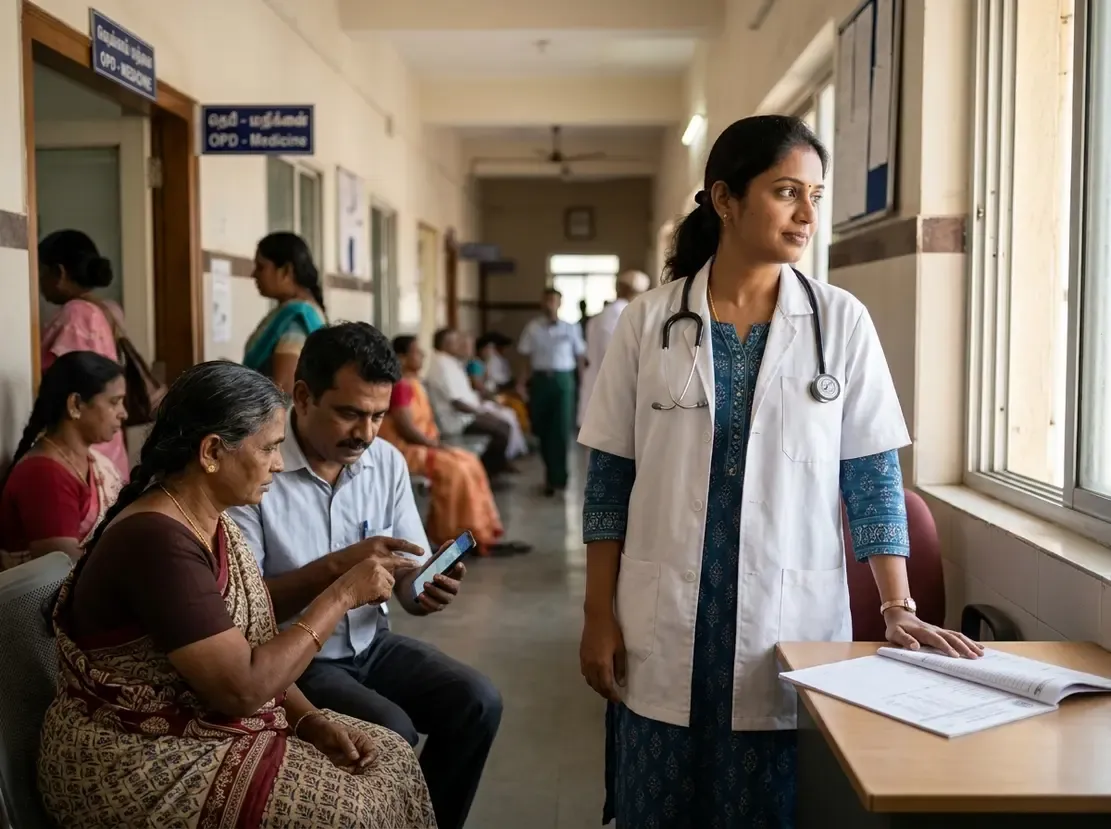
Recent healthcare trends highlight a profound transformation in patient behavior across India. According to a Boston Consulting Group survey, six in ten Indians consider online health information as dependable as clinical advice. Furthermore, 61 percent of citizens prefer immediate answers from artificial intelligence rather than waiting for a medical appointment. Consequently, traditional consultations face evolving consumer expectations regarding convenience and diagnostic speed. Healthcare providers must therefore recognize how digital access reshapes clinical decision-making.
Surge in Trust for Online Health Information
India now ranks second globally on the Health Care Consumerization Index with an impressive score of 66. In fact, this benchmark places India just behind China and far ahead of several developed nations. The survey evaluated consumer attitudes across six distinct metrics. Notably, Indian respondents scored well above the global average in every evaluated category. The widest gap emerged in digital credibility, where trust in online health information surpassed international benchmarks by nineteen percentage points. Similarly, preference for instantaneous digital guidance exceeded global averages by eighteen points. Therefore, digital platforms have become primary touchpoints for health literacy and triage.
Demographic Shifts and Patient Autonomy
Patient autonomy is driving notable shifts across different age brackets and income groups. For instance, millennials achieved the highest consumerization index score at 71. In contrast, Gen Z respondents recorded the lowest score at 59. Moreover, 68 percent of millennials preferred rapid digital answers, compared to 52 percent of Gen Z respondents. Financial status also influences these expectations significantly. High-income individuals scored twelve points higher on consumer engagement than lower-income peers. Specifically, 84 percent of wealthier patients demand greater control over therapeutic selections. In addition, 73 percent of Indian consumers actively seek transparency regarding overall treatment costs.
Clinical Implications for Modern Practitioners
These changing consumer patterns require healthcare professionals to reevaluate routine patient interactions. Today, patients arrive at outpatient clinics armed with self-researched diagnoses and algorithmic recommendations. Clinicians should not dismiss these findings abruptly. Instead, doctors must practice empathetic communication and provide transparent explanations regarding medical choices and pricing. Furthermore, clinical teams can integrate validated artificial intelligence tools to enhance patient engagement. When physicians guide patients toward accurate digital repositories, they prevent harmful self-medication. Ultimately, blending modern technology with proven clinical quality protects patient safety and reinforces mutual trust.
Frequently Asked Questions
Q1: Why do Indian patients increasingly turn to online medical tools?
Many patients prefer immediate answers from digital tools rather than enduring long waiting times for appointments. Additionally, digital resources provide convenient initial insights into personal symptoms and healthcare costs.
Q2: How can physicians address patients who rely heavily on online health advice?
Physicians should actively acknowledge patient research during consultations without dismissing their concerns. Furthermore, doctors can recommend trustworthy digital sources and clearly explain diagnostic decisions to build mutual confidence.
Q3: Which demographic group exhibits the greatest reliance on instant healthcare information?
Millennials exhibit the highest engagement, with 68 percent favoring immediate online or artificial intelligence responses over waiting for clinical visits.
References
- Six in 10 Indians consider online health information as reliable as advice fromhealthcare professional: Study - ETHealthworld
- The Consumerization of Health Care: How Patients Are Reshaping the Industry - Boston Consulting Group
- Winning in Indian Healthcare - Organisation of Pharmaceutical Producers of India and Boston Consulting Group


