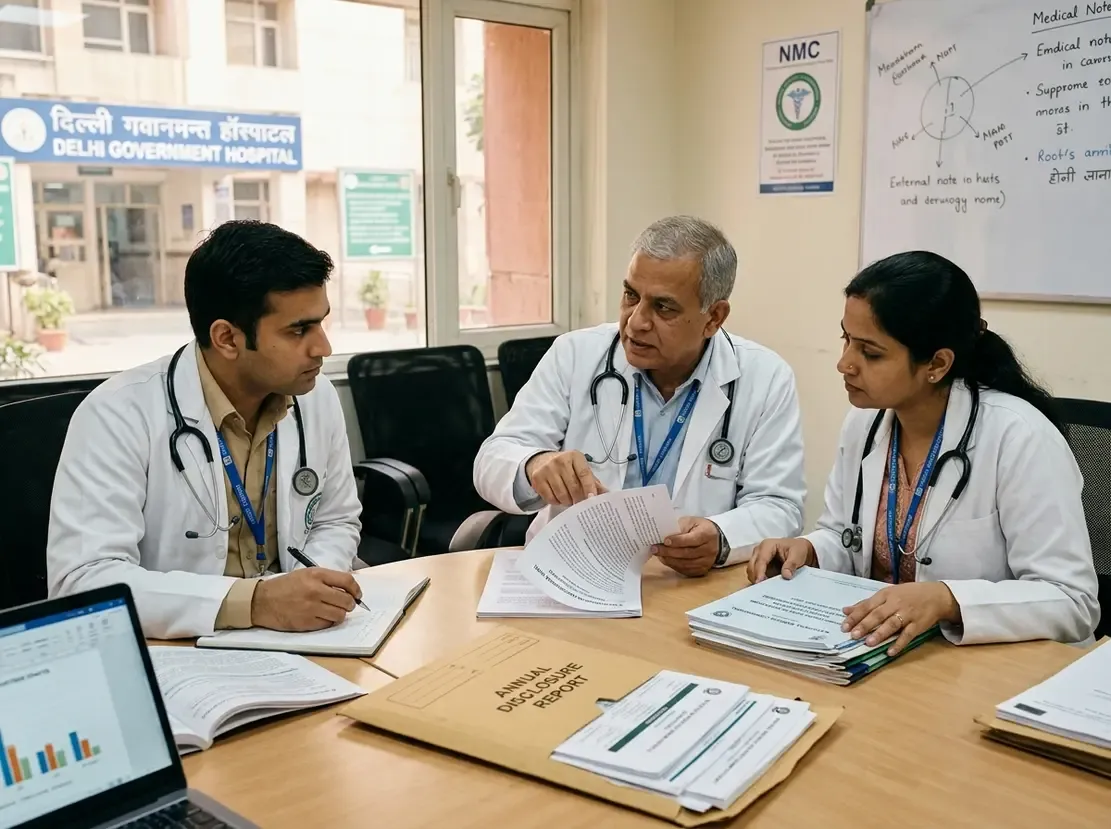
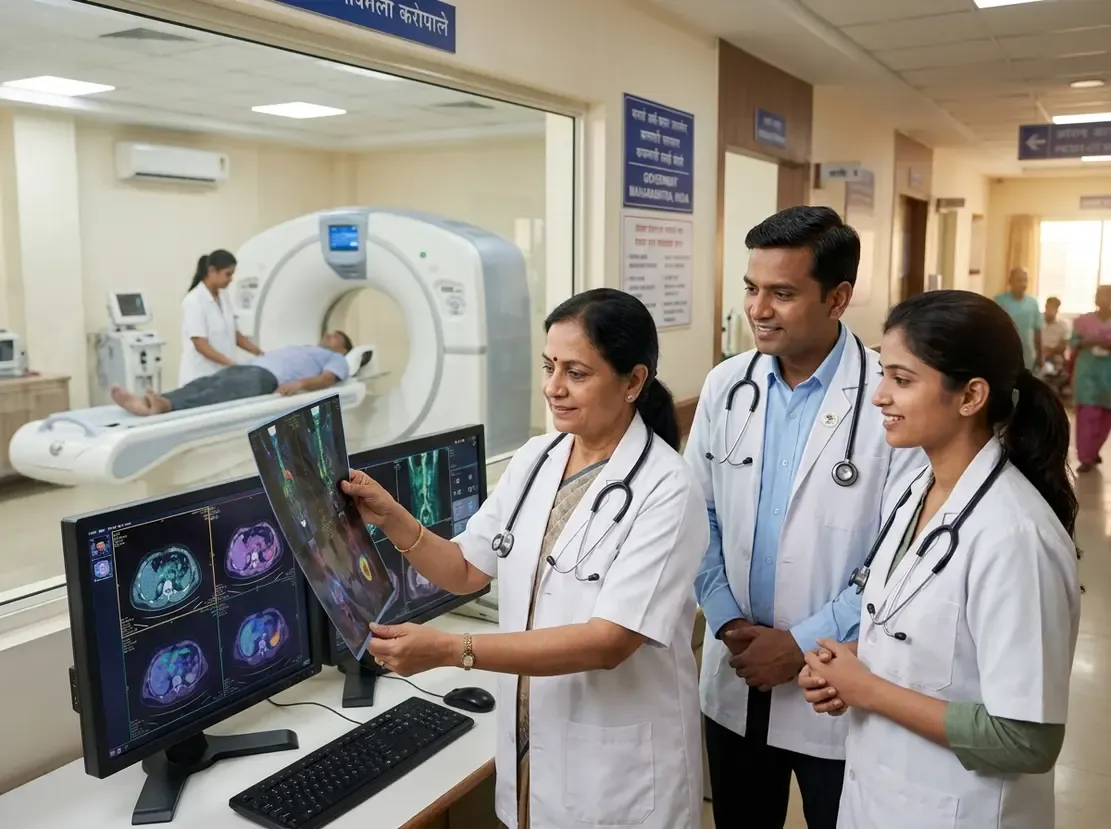
Maha Mandates Passive Euthanasia Boards for Pvt Hospitals
Understanding Passive Euthanasia India
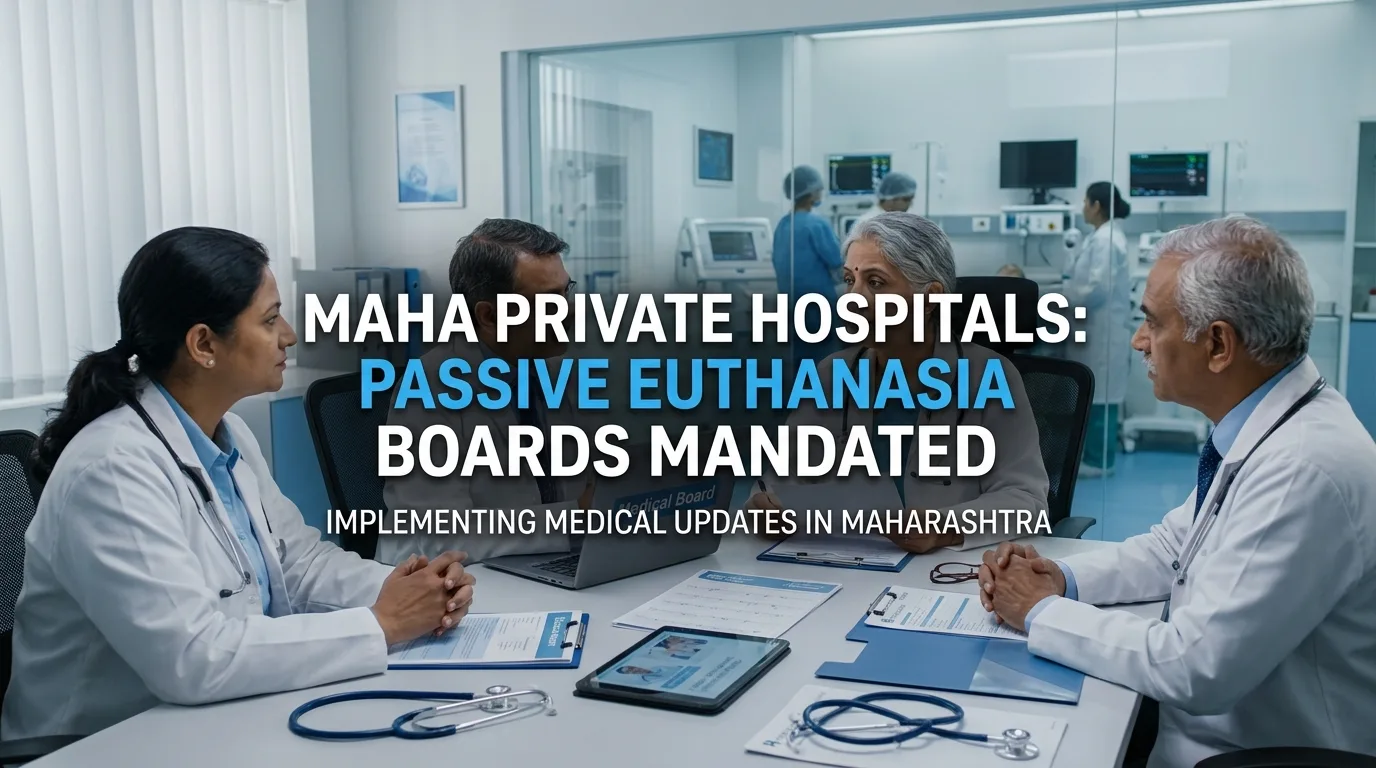
The Maharashtra government recently issued a crucial directive establishing primary and secondary medical boards in private hospitals. Consequently, private healthcare facilities must now follow structured guidelines when handling cases of passive euthanasia India. This milestone government resolution follows the landmark March 2026 Supreme Court judgment. Specifically, this decision came during the Harish Rana case, which emphasized the right to die with dignity.
Roles of Primary and Secondary Boards
Firstly, the primary medical board will operate within the private hospital itself. This panel comprises the hospital administrator as chairperson, the treating medical expert, a critical care specialist, and a senior physician. Additionally, a secondary medical board under the district civil surgeon must review and approve these critical decisions. For hospitals in Mumbai, the medical superintendent of the state-run JJ Hospital will oversee this evaluation process. Consequently, these robust measures ensure complete transparency and clinical safety for patients who may otherwise require advanced training in emergency medicine.
Frequently Asked Questions
Q1: What is passive euthanasia?
Passive euthanasia involves intentionally letting a terminally ill patient die by withholding or withdrawing life support or treatment necessary for maintaining life.
Q2: Who constitutes the primary medical board in private hospitals?
The primary board is led by the hospital administrator and includes the treating doctor, a critical care specialist, and a senior physician or surgeon.
References
- Maharashtra govt orders medical panels in pvt hospitals for passive euthanisiacases – ETHealthworld
- Maharashtra government orders medical panels in private hospitals for passive euthanasia cases – The Times of India
- Harish Rana vs Union Of India on 11 March, 2026 – Indian Kanoon
Disclaimer: This article was automatically generated from publicly available sources and is provided for informational and educational purposes only. OC Academy does not exercise editorial control or claim authorship over this content. It is not a substitute for professional medical advice, diagnosis, or treatment. Always consult a qualified healthcare provider and refer to current local and national clinical guidelines.