How Philips and Cent Are Transforming Preventive MRI Care
Modern healthcare in India is rapidly shifting toward early disease prevention. Consequently, the adoption of modern preventive diagnostics gives clinicians vital tools to detect conditions before symptoms emerge. Philips has recently partnered with Cent, a preventive health screening firm, to advance this clinical model in India. Specifically, the collaboration aims to transform routine risk assessment into an accessible healthcare pathway. Therefore, clinicians can now leverage cutting-edge imaging technology to detect silent pathologies at earlier stages.
The Shift Toward Preventive Diagnostics in India
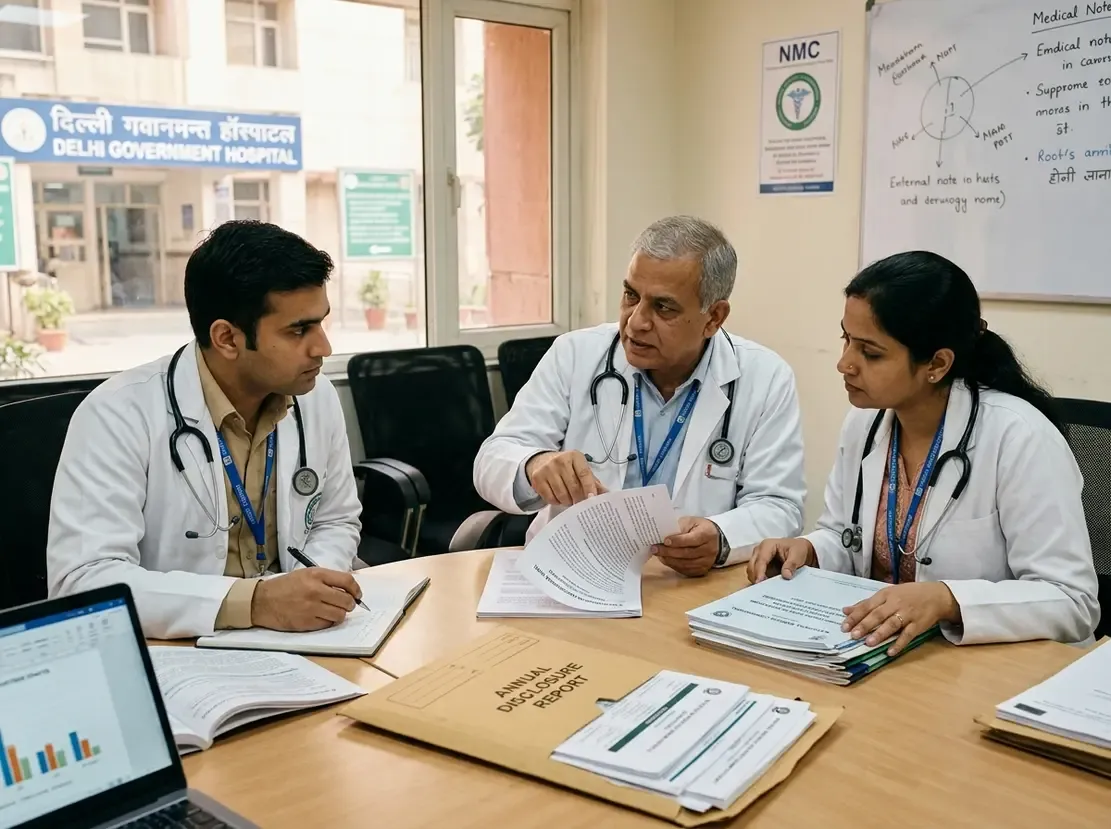
Traditionally, diagnostic imaging has served primarily as a reactive tool for patients presenting with overt symptoms. However, healthcare practitioners increasingly recognize that early detection drastically improves long-term clinical outcomes. Routine screening protocols frequently miss deep structural changes in asymptomatic individuals. In response, Cent has introduced specialized screening centers that focus entirely on early risk profiling. Furthermore, this screening model integrates high-resolution imaging to evaluate baseline health profiles. As a result, physicians can spot subtle oncologic, spinal, and neurological changes well before irreversible tissue damage occurs.
Helium-Free Technology and AI Image Acceleration
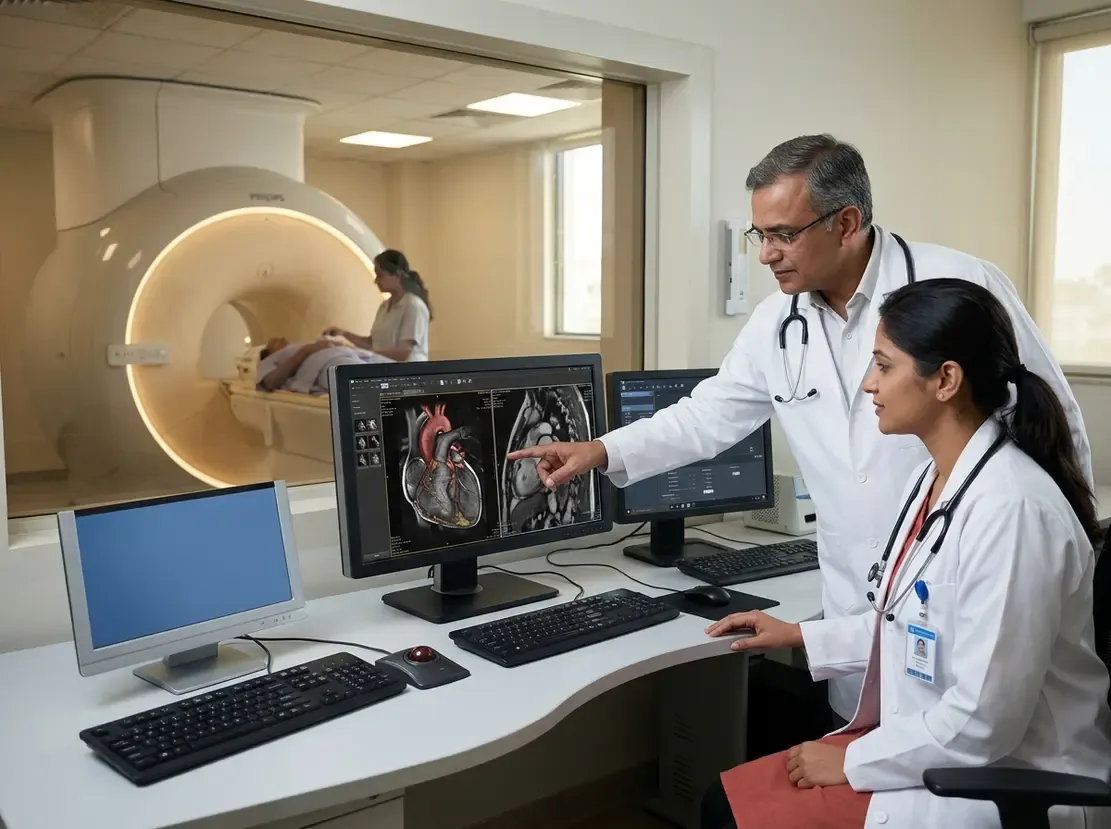
As part of this partnership, Philips will supply its wide-bore 70-centimeter 1.5T magnetic resonance imaging systems. Notably, these advanced scanners operate using sealed BlueSeal technology, which requires virtually no liquid helium refills. Conventional MRI units depend on thousands of liters of liquid helium, creating substantial maintenance challenges. In contrast, helium-free systems simplify facility installation and significantly reduce operational downtime.
Additionally, the systems incorporate AI-enabled SmartSpeed image acceleration software. This artificial intelligence platform accelerates scan acquisition times without sacrificing image resolution or diagnostic quality. Consequently, imaging centers can achieve substantially higher patient throughput throughout each operational day. Moreover, the wide-bore 70-centimeter opening significantly eases patient anxiety and reduces claustrophobia during scans. Thus, individuals experience far greater comfort, while radiographers obtain exceptionally clear anatomical images.
Clinical Implications for Neurological and Oncology Screening
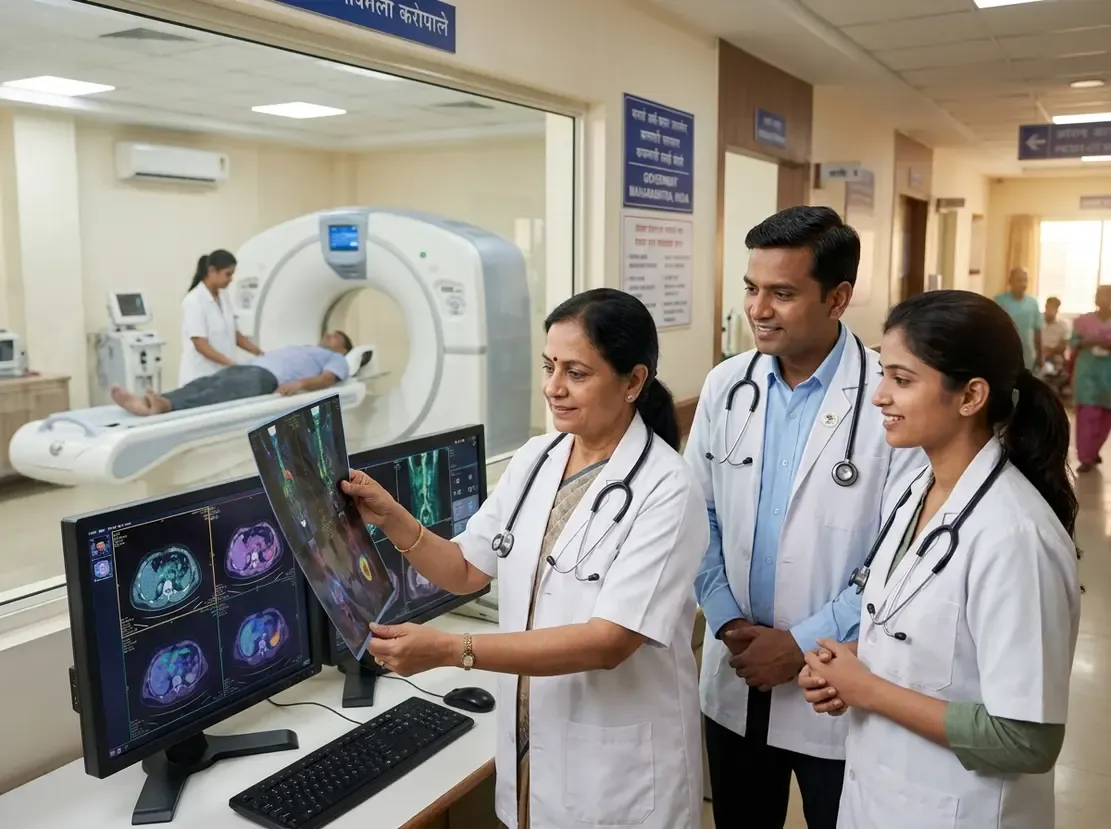
For physicians in India, rapid and precise imaging offers enormous diagnostic utility across diverse specialties. For instance, high-resolution whole-body and regional MRI can uncover occult vascular malformations and early brain lesions. Similarly, spine assessments readily pinpoint degenerative disc herniations and nerve impingements before chronic pain becomes disabling. In oncology, early detection remains the most decisive factor influencing overall patient survival. Therefore, comprehensive screening pathways empower clinicians to detect solid organ tumors during their earliest, most treatable stages, which aligns with advanced learning paths found in a Certification Course In Clinical Oncology.
Nevertheless, healthcare providers must interpret preventive screening findings with rigorous clinical discretion. Unnecessary interventions can arise when clinicians fail to distinguish benign incidental findings from true pathological lesions. Accordingly, structured risk assessment frameworks must guide every stage of patient evaluation and subsequent follow-up. Ultimately, this alliance aims to establish standardized screening workflows that bolster diagnostic confidence and optimize patient outcomes through specialized training available via Radiology Speciality Courses.
Frequently Asked Questions
Q1: What are the primary advantages of helium-free MRI systems in preventive screening?
Helium-free MRI systems use fully sealed magnet technology, which eliminates costly liquid helium refills and reduces installation venting requirements. Consequently, clinics experience reduced operational costs and continuous scanner availability.
Q2: How does AI SmartSpeed technology improve patient imaging workflows?
SmartSpeed uses artificial intelligence reconstruction algorithms to accelerate image data acquisition. Therefore, it shortens overall scan duration by up to three times while preserving diagnostic image resolution and sharpness.
Q3: How do preventive MRI scans assist doctors in early risk detection?
Preventive MRI scans deliver detailed soft-tissue anatomical visualization without ionizing radiation. As a result, clinicians can identify asymptomatic neurological abnormalities, spinal degeneration, and early-stage tumors before severe symptoms manifest.
References
- Philips partners with Cent to advance preventive diagnostics - ETHealthworld
- Helium-free MRI BlueSeal technology - Philips
- Whole‐body MRI for preventive health screening: A systematic review of the literature - PMC