
How Photobiomodulation Therapy Enhances Modern Healing
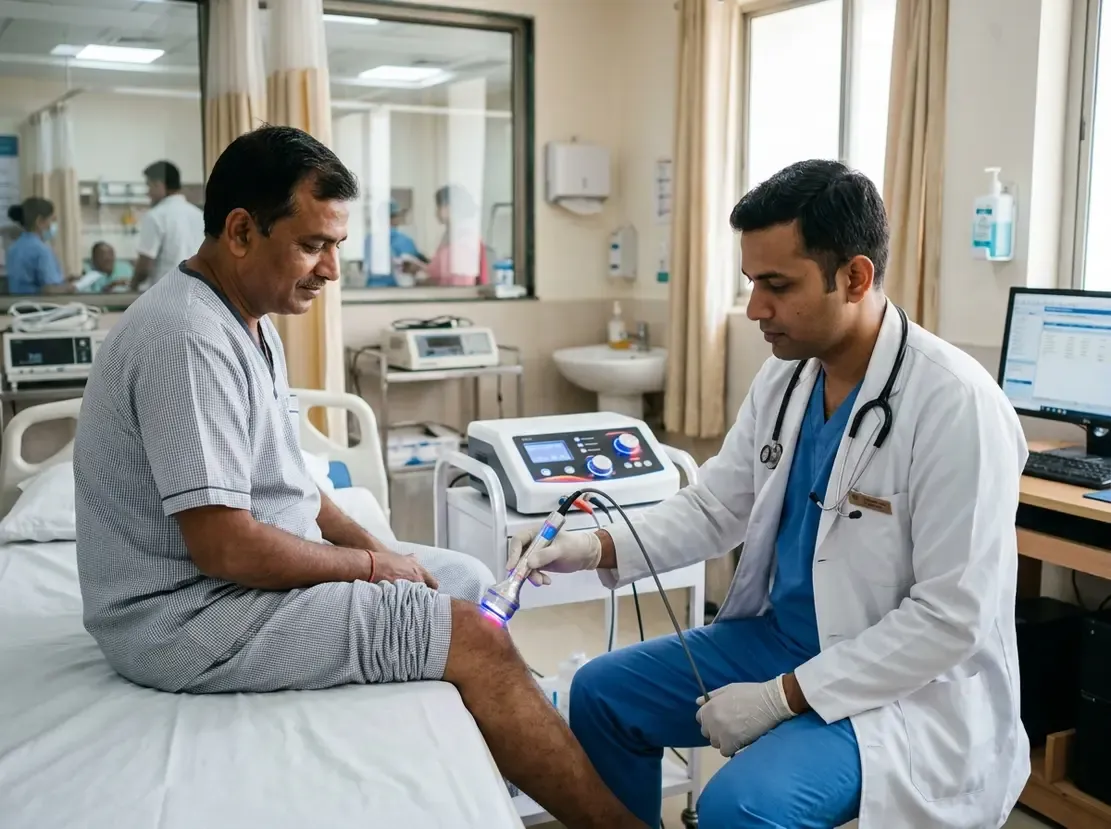
Modern clinical practice increasingly embraces non-invasive modalities to augment standard patient care. Specifically, photobiomodulation therapy has emerged as a promising supportive treatment that accelerates tissue repair and reduces inflammation. Clinicians utilize red and near-infrared light to stimulate cellular metabolism without thermal injury or tissue damage. Consequently, medical experts in India recently highlighted its expanding role during a national conference in Dehradun.
Biological Mechanisms of Photobiomodulation Therapy
Photobiomodulation therapy functions through direct light-tissue interactions at discrete non-thermal wavelengths. In particular, mitochondrial chromophores like cytochrome c oxidase absorb photons from red and near-infrared spectra. This interaction rapidly boosts cellular energy production by accelerating adenosine triphosphate synthesis. Furthermore, experimental research demonstrates that light exposure activates latent transforming growth factor beta 1. This crucial regulatory cytokine orchestrates tissue regeneration and modulates inflammatory responses. In addition, the therapy reduces local oxidative stress and suppresses pro-inflammatory signaling pathways. Thus, cellular proliferation and extracellular matrix deposition proceed more effectively.
Key Clinical Applications in Patient Care
Clinicians currently apply light therapy across multiple disciplines as a supportive intervention. For example, practitioners achieve substantial success in chronic wound management and post-surgical recovery. Moreover, the therapy assists oncologists in alleviating severe treatment-related side effects such as oral mucositis. In dental practice, providers utilize light energy to decrease postoperative discomfort and accelerate gum healing. Additionally, rehabilitation teams manage acute soft tissue injuries and musculoskeletal pain with targeted irradiation. Therefore, patients frequently report reduced pain scores and faster functional recovery under clinical supervision.
Standardization Needs and Future Outlook
Hungarian physician Endre Mester first discovered the regenerative effects of low-power lasers in 1967. However, mainstream clinical integration requires rigorous standardization across treatment settings. Researchers must establish validated dosimetric protocols, optimal wavelength combinations, and clear exposure durations. Although consumer light masks are popular, medical applications require precise clinical parameters and physician oversight. Consequently, Indian healthcare institutions are advancing clinical trials to confirm therapeutic reproducibility. Therefore, light therapy will likely serve as an essential complementary pillar alongside conventional pharmacological and surgical treatments.
Frequently Asked Questions
Q1: What is photobiomodulation therapy?
It is a non-invasive treatment that uses red and near-infrared light to stimulate cellular repair and reduce inflammation without burning tissue.
Q2: Can light therapy replace conventional medical care?
No, experts emphasize that light therapy serves as a complementary, supportive treatment alongside conventional medications and surgical care.
Q3: Which clinical conditions benefit most from this treatment?
Current evidence supports its use in wound healing, musculoskeletal pain management, post-surgical recovery, and oral complications.
References
- Light therapy could complement conventional medical care, say experts - ETHealthworld
- Mosca RC, Ong AA, Albasha O, Bass K, Arany PR. Photobiomodulation Therapy for Wound Care: A Potent, Noninvasive, Photoceutical Approach. Adv Skin Wound Care. 2019;32(4):157-167.
- Hamblin MR. Mechanisms and applications of the anti-inflammatory effects of photobiomodulation. AIMS Biophys. 2017;4(3):337-361.
- de la Barra Ortiz HA, Liebano R, Rampazo ÉP. Photobiomodulation and Thermal Therapies. International Association for the Study of Pain Fact Sheet. 2023.


