How PM2.5 Drives Global Cancer Burden Across Key Organs
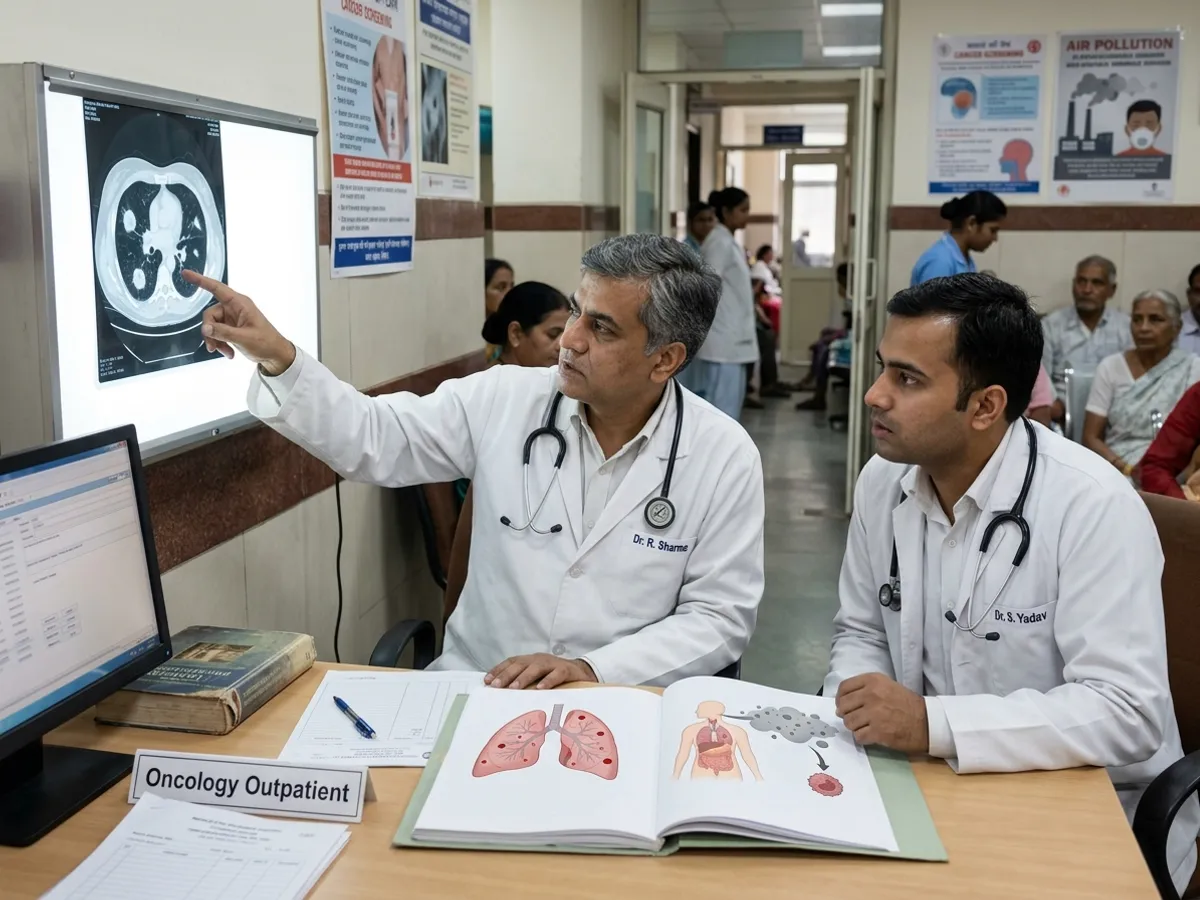
Ambient air pollution remains a critical determinant of public health worldwide. A landmark global study published in Nature Health reveals that fine particulate matter accounts for millions of preventable malignancies. Consequently, understanding PM2.5 cancer risk has become vital for clinicians addressing environmental disease burdens.
Evaluating the Global Scale of PM2.5 Cancer Risk
Researchers evaluated epidemiological data across 952 locations between 2000 and 2020. In total, the analysis encompassed over 109 million cancer cases globally. Among these, fine particulate matter accounted for approximately 8.82 million incident malignancies. Therefore, fine particles emerged as the dominant driver of environmental oncogenesis.
Additionally, other ambient pollutants contributed substantially to the overall disease toll. Exposure to nitrous oxide triggered roughly 6.67 million cases. Meanwhile, tropospheric ozone exposure contributed to nearly 2.6 million incident cases. Furthermore, every 10 μg/m³ increase in PM2.5 concentration elevated overall cancer risk by 16 percent. Similar increments in nitrous oxide and ozone raised risk by 11.7 percent and 4.23 percent, respectively.
Systemic Oncogenesis Beyond the Respiratory Tract
Historically, environmental toxicologists focused primarily on pulmonary tumors. However, current data demonstrate that fine particles induce widespread systemic damage. Particulate matter readily penetrates deep alveoli and enters systemic circulation. As a result, PM2.5 drives mutagenic processes across diverse anatomical sites.
Specifically, the highest preventable fractions occurred in the respiratory, reproductive, and endocrine systems. For instance, eliminating PM2.5 exposure could prevent roughly 17.9 percent of tracheal, bronchial, and lung cancers. Furthermore, each 10 μg/m³ increase in PM2.5 elevated kidney cancer risk by 17.9 percent. Similarly, bladder cancer risk surged by 21.1 percent per unit increase. In addition, researchers observed heightened vulnerability for thyroid, esophageal, colorectal, and breast malignancies.
Biological Mechanisms and Clinical Vulnerabilities
The biological mechanisms connecting fine particles to oncogenesis involve multiple interrelated pathways. First, tiny particulates induce chronic systemic oxidative stress. Second, they generate persistent DNA strand damage and epigenetic disruptions. Third, particulate exposure triggers severe immune dysregulation. Thus, the International Agency for Research on Cancer categorizes PM2.5 as a definitive Group 1 human carcinogen.
Notably, the study identified significant demographic and geographic disparities. Women exhibited consistently higher vulnerability across several malignancies. Moreover, nearly 99 percent of the global population breathes air exceeding World Health Organization standards. Because low- and middle-income nations endure the heaviest pollutant concentrations, vulnerable populations bear a disproportionate clinical burden.
Actionable Strategies for Healthcare Providers
Physicians in high-exposure regions must integrate environmental history into routine clinical assessments. Consequently, clinicians should counsel high-risk patients regarding air quality monitoring. Patients with chronic conditions should utilize certified high-efficiency particulate air (HEPA) filtration indoors. Furthermore, vulnerable individuals must minimize intense outdoor exertion during severe pollution episodes. Ultimately, clinical advocacy remains essential to drive meaningful public health and clean air policies.
Frequently Asked Questions
Q1: What makes PM2.5 more carcinogenic than larger airborne particles?
Due to its tiny diameter under 2.5 microns, PM2.5 penetrates deep into alveolar tissue and enters the bloodstream. Consequently, it promotes systemic oxidative stress, direct DNA damage, and immune dysfunction across extrapulmonary organs.
Q2: Which extrapulmonary cancers show strong associations with PM2.5 exposure?
Besides lung malignancies, fine particulate exposure correlates with elevated risks of kidney, bladder, thyroid, esophageal, colorectal, and breast cancers.
Q3: How can physicians advise patients to reduce personal exposure to PM2.5?
Clinicians should advise patients to track local air quality indices, deploy indoor HEPA air purifiers, and wear N95 respirators during high-pollution events.
References
- PM2.5 could be dominant contributor to air pollution-induced global cancerburden: Study - ETHealthworld
- World Health Organization. Ambient (outdoor) air pollution. Geneva: WHO; 2024.
- International Agency for Research on Cancer. Outdoor Air Pollution. Lyon: IARC Monographs on the Evaluation of Carcinogenic Risks to Humans, Vol. 109; 2016.