
Why 3 in 4 TB Patients Suffer Persistent Lung Symptoms
Why 3 in 4 TB Patients Suffer Persistent Lung Symptoms
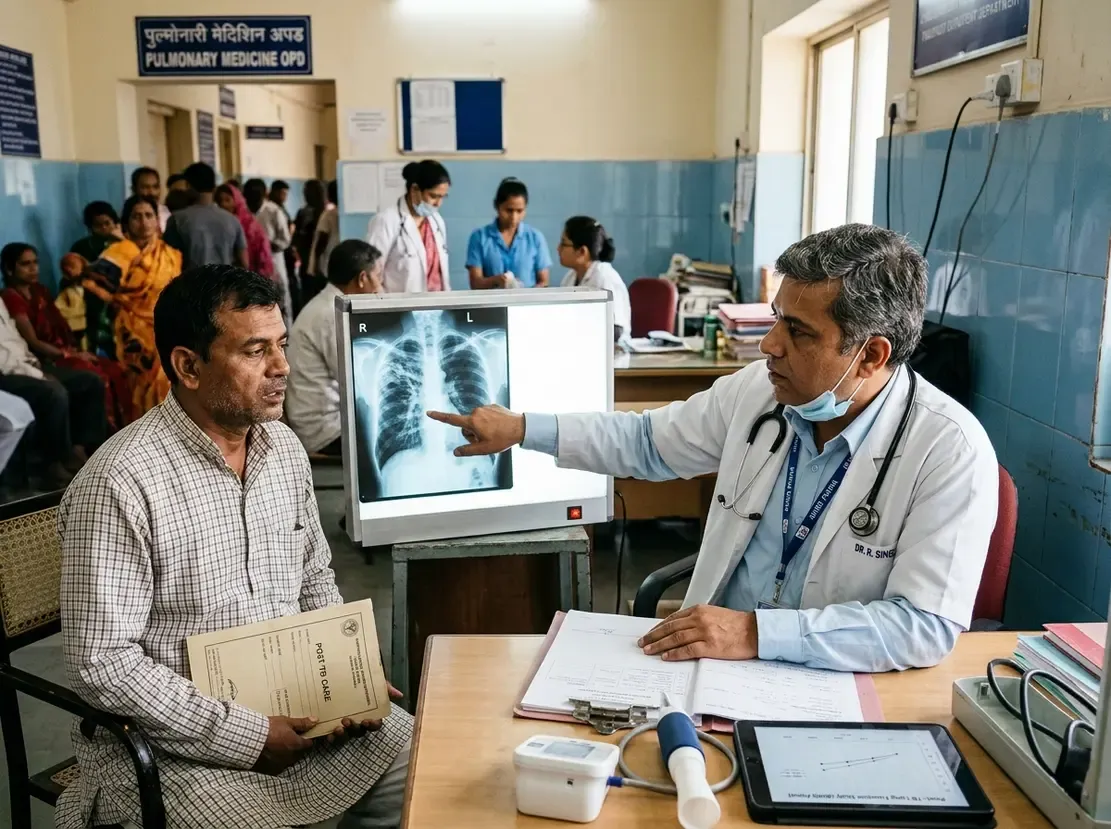
Successful completion of anti-tuberculosis therapy marks microbiological cure, yet clinical recovery remains incomplete for many individuals. Recent research emphasizes that post-TB lung disease represents a serious and under-recognized health challenge across India. Indeed, an AIIMS Patna study shows that three out of four patients suffer lingering respiratory symptoms after finishing treatment. Consequently, medical practitioners must recognize that microbiological clearance does not always equal anatomical or functional healing.
Understanding the Burden of Post-TB Lung Disease
The cross-sectional observational study evaluated 256 adult patients within one month of completing pulmonary tuberculosis therapy. Remarkably, 195 participants reported persistent respiratory symptoms. Chronic cough was the most prevalent complaint among these survivors. Additionally, nearly half of the cohort experienced breathlessness while walking uphill or climbing stairs. Beyond symptomatic distress, objective investigations showed structural damage or functional decline in 93.4% of participants. High-resolution computed tomography scans and spirometry revealed frequent parenchymal scarring and bronchiectasis. Therefore, clinicians must routinely assess patient physiology rather than assuming full recovery following medication completion.
Psychological Comorbidities and Mental Health Impact
Physical impairment is only one component of post-tubercular morbidity. The investigation also highlighted significant psychological distress among participants. Specifically, 58.2% of patients demonstrated elevated anxiety scores during their evaluations. Furthermore, 48% of the cohort showed clear signs of clinical depression. These figures demonstrate that long-term social isolation, chronic breathlessness, and economic stress heavily damage emotional well-being. As a result, healthcare teams must integrate mental health screening into standard follow-up protocols. Addressing both mind and lungs provides the best pathway toward meaningful recovery.
Clinical Recommendations for Post-Treatment Follow-Up
Post-treatment management must extend far beyond sputum negative status. First, primary care physicians should refer symptomatic individuals to pulmonary specialists for objective baseline testing. Spirometry and low-dose imaging help distinguish irreversible architectural damage from treatable obstructive airway diseases. Moreover, comprehensive pulmonary rehabilitation plays a critical role in restoring exercise tolerance. Breathing exercises and tailored aerobic training significantly enhance functional capacity. In addition, doctors must firmly advise patients against tobacco smoke and biomass fuel exposure. Proactive care prevents secondary infections and preserves residual lung reserve.
Frequently Asked Questions
Q1: What causes persistent respiratory symptoms after TB cure?
Mycobacterial inflammation often produces permanent lung scarring, bronchial dilation, and reduced compliance, which cause chronic cough and dyspnea.
Q2: How should clinicians evaluate patients with suspected post-TB sequelae?
Clinicians should perform spirometry to detect airflow limitation, order high-resolution chest imaging, and evaluate for chronic aspergillosis or secondary infection using insights gained from advanced respiratory imaging and diagnostics.
Q3: What interventions provide the most benefit for post-TB disability?
Pulmonary rehabilitation, smoking cessation, bronchodilator therapy when indicated, and mental health counseling offer substantial functional improvements. Healthcare providers looking to deepen their clinical expertise in managing such chronic respiratory conditions can explore specialized pulmonology courses.
References
- TB symptoms persist in 3 of 4 patients after treatment: AIIMS Patna study - ETHealthworld
- Prevalence of post-tuberculosis lung disease and its clinical, radiological and pulmonary function characteristics: a cross-sectional observational study - BMJ Open
- Post-Tuberculosis Lung Disease: Chronic Morbidity, Quality of Life and Rehabilitation Strategies - Medical Letter


