
De Novo Postpartum Endometritis: Risk Factors & Trends
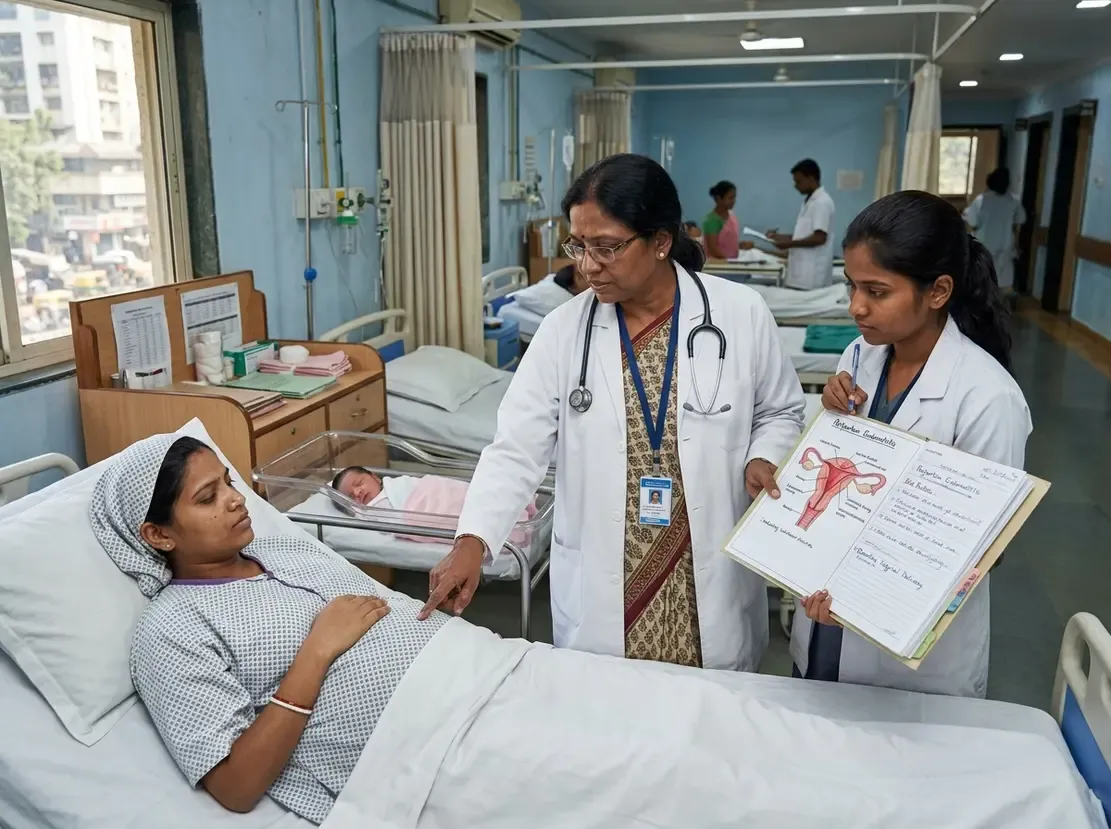
Postpartum endometritis readmission poses a significant clinical challenge in obstetric care. Although hospital readmission remains relatively uncommon, uterine infection causes substantial maternal morbidity. A recent national cohort study evaluated over 38 million delivery hospitalizations to examine these secular trends. Consequently, the findings provide vital insights into high-risk obstetric scenarios.
Trends in Postpartum Endometritis Readmission
Between 2010 and 2022, approximately 0.2% of delivery admissions experienced hospital readmission for de novo uterine infection. Encouragingly, overall readmissions dropped from 23.8 to 14.1 per 10,000 deliveries during this period. This decline represents an average annual percentage change of -5.2% across the twelve study years. Furthermore, the steepest reduction took place between 2014 and 2017. Most patients required rehospitalization early, with 73.0% presenting within 10 days following discharge. Therefore, clinicians must maintain heightened vigilance during the immediate post-discharge window.
Clinical and Delivery-Related Risk Factors
Several procedural and demographic factors significantly amplify maternal infection risks. For instance, younger maternal age between 15 and 19 years increased readmission odds by 58%. In addition, primary cesarean birth nearly doubled the odds compared to uncomplicated vaginal delivery. Repeat cesarean deliveries and operative vaginal deliveries also carried higher baseline risks. Moreover, intrauterine interventions like dilation and curettage strongly predisposed mothers to late uterine infection. Postpartum hemorrhage, blood transfusion, and immunosuppressive conditions elevated vulnerability as well.
The Impact of Laboring Cesarean Delivery
The study specifically evaluated 5.8 million term cesarean deliveries to compare laboring and non-laboring procedures. Laboring cesarean delivery conferred a 75% increase in readmission odds over non-laboring delivery. Consequently, prolonged membrane rupture and frequent examinations likely promote bacterial colonization. These data emphasize the need for targeted infection surveillance after unplanned cesarean births. Ultimately, understanding these drivers helps obstetricians optimize post-discharge maternal safety.
Frequently Asked Questions
Q1: What is the primary timeframe for postpartum endometritis readmission?
Most readmissions happen rapidly, with 73% of patients presenting within 10 days of hospital discharge.
Q2: How does labor status affect infection rates in cesarean delivery?
Laboring cesarean delivery increases the odds of readmission for de novo endometritis by 75% compared to non-laboring procedures.
Q3: Which procedural factors elevate the risk of postpartum endometritis readmission?
Primary cesarean delivery, operative vaginal delivery, dilation and curettage, and postpartum hemorrhage significantly increase readmission risk.
References
- Noonan G et al. Trends and Risk Factors for Postpartum Readmission due to De Novo Endometritis: A National Historical Cohort Study. BJOG. 2026 Nov 22. doi: 10.1111/1471-0528.70389. PMID: 43068693.
- American College of Obstetricians and Gynecologists. ACOG Practice Bulletin No. 199: Use of Prophylactic Antibiotics in Labor and Delivery. Obstet Gynecol. 2018;132(3):e103-e119.
- Mackeen AD, Packard RE, Ota E, Speer L. Antibiotic regimens for postpartum endometritis. Cochrane Database Syst Rev. 2015;(2):CD001067.


