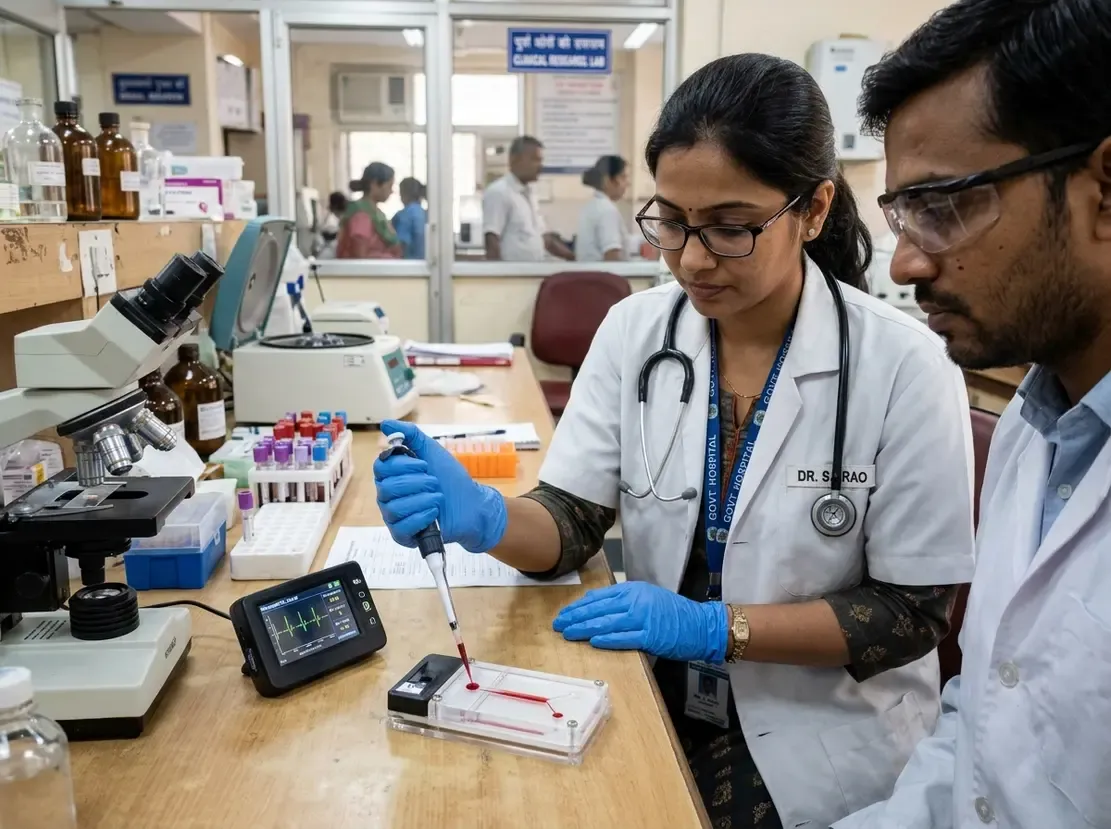
How Rapid NGS Accelerates Critical Precision Oncology

Modern precision oncology relies heavily on rapid next-generation sequencing to identify actionable molecular alterations in tumors. Historically, pathologists relied on sequential single-gene tests such as immunohistochemistry and polymerase chain reaction. However, sequential testing consumes scarce biopsy specimens and delays treatment initiation. Therefore, comprehensive genomic profiling provides a far more efficient diagnostic path for clinicians.
The Clinical Value of Rapid Next-Generation Sequencing
Actionable driver alterations occur frequently in stage IV non-small cell lung cancer. Consequently, initiating targeted tyrosine kinase inhibitors offers superior survival compared to standard chemotherapy. For instance, empiric immunotherapy provides minimal benefit in oncogene-driven lung malignancies. Moreover, early immunotherapy exposure increases the risk of severe toxicity when patients subsequently receive targeted agents. Because timing dictates therapeutic success, oncologists require rapid genomic data before selecting first-line therapy, which is a core concept taught in a certification course in clinical oncology.
Overcoming Diagnostic Delays and Workflow Bottlenecks
Standard next-generation sequencing often requires centralized reference laboratories and batched sample runs. As a result, turnaround times frequently extend to several weeks. Rapid testing platforms compress the entire sample-to-report workflow into just a few days. Furthermore, automated workflows allow local community hospitals to establish reliable in-house genomic services. In-house molecular profiling minimizes specimen transit delays and improves operational efficiency. Additionally, liquid biopsy assays analyzing circulating tumor DNA offer complementary solutions when tissue quantities prove inadequate.
Implementing Rigorous Quality Systems
Decentralized genomic testing requires stringent laboratory validation and quality assurance. Specifically, laboratories must validate bioinformatics pipelines and analytical sensitivity before clinical deployment. Multidisciplinary collaboration between molecular pathologists, medical oncologists, and bioinformaticians ensures accurate variant reporting. Ultimately, rapid genomic results empower clinicians to prescribe optimal biomarker-directed therapies without delay.
Frequently Asked Questions
Q1: Why is turnaround time critical in advanced cancer profiling?
Delays force clinicians to choose between postponing therapy and starting empiric regimens. However, starting empiric therapy without knowing genomic driver mutations compromises overall survival.
Q2: How does rapid next-generation sequencing differ from standard testing?
Standard testing often uses sequential single-gene assays or batch-based testing that takes weeks. In contrast, rapid sequencing shortens the entire sample-to-report process to deliver broad genomic answers within days.
Q3: Can liquid biopsy complement tissue-based sequencing?
Circulating tumor DNA from blood samples provides crucial molecular data when tissue is limited. Therefore, liquid biopsy complements tissue assays effectively in appropriate clinical contexts.
References
- Rapid Next-Generation Sequencing: Bringing Precision Oncology Closer toTreatment Decisions - ETHealthworld
- Scott JA, Lennerz J, Johnson ML, et al. Compromised Outcomes in Stage IV Non-Small-Cell Lung Cancer With Actionable Mutations Initially Treated Without Tyrosine Kinase Inhibitors: A Retrospective Analysis of Real-World Data. JCO Oncol Pract. 2024;20(1):145-153.
- Sheffield BS, Eaton K, Emond B, et al. Cost Savings of Expedited Care with Upfront Next-Generation Sequencing Testing versus Single-Gene Testing among Patients with Metastatic Non-Small Cell Lung Cancer Based on Current Canadian Practices. Curr Oncol. 2023;30(2):2348-2365.
- Jennings LJ, Arcila ME, Corless C, et al. Guidelines for Validation of Next-Generation Sequencing-Based Oncology Panels: A Joint Consensus Recommendation of the Association for Molecular Pathology and College of American Pathologists. J Mol Diagn. 2017;19(3):341-365.