Pune TB Study Reveals Recurrence Risk Within Six Months
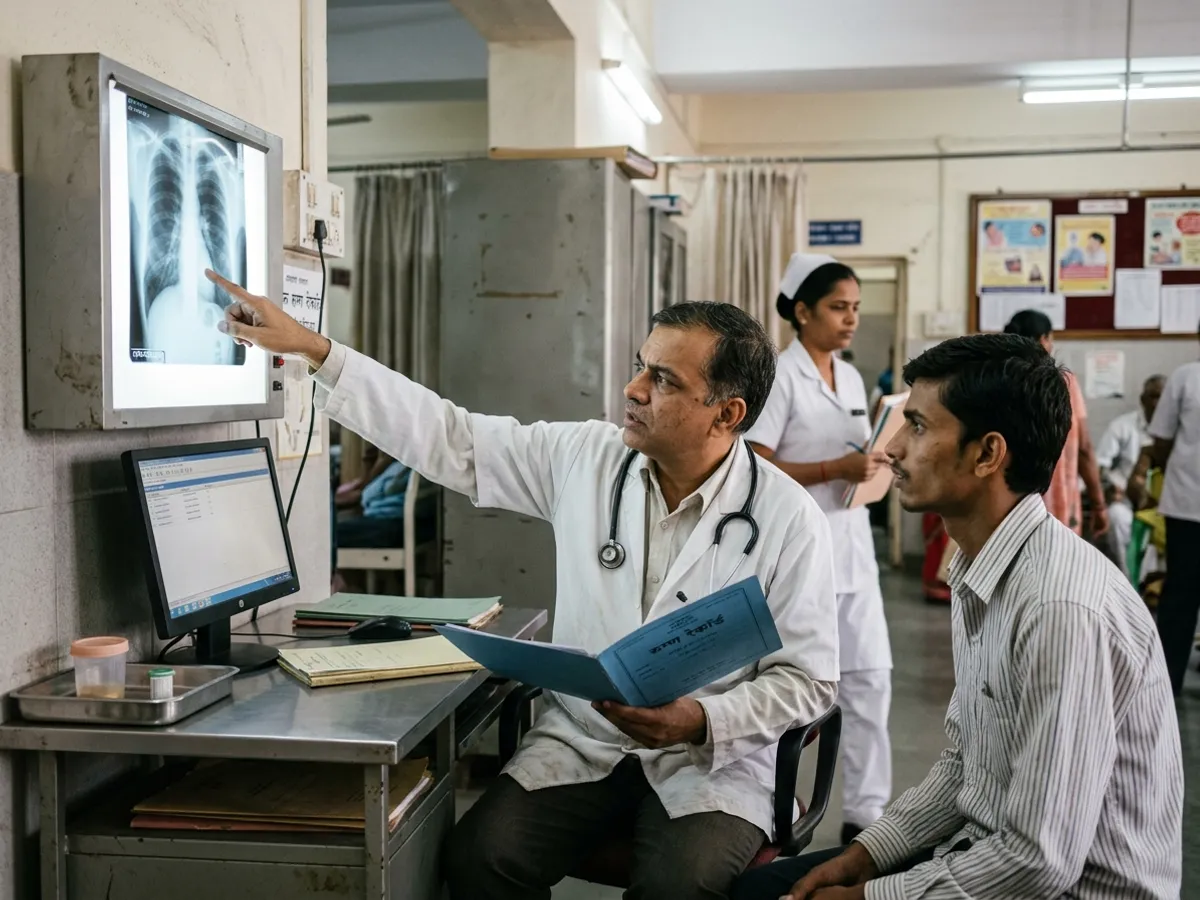
A recent survey in Pune highlights a critical challenge in clinical management: recurrent tuberculosis frequently develops shortly after treatment completion. While patients celebrate treatment completion as a major clinical cure milestone, their journey often does not end there. Therefore, clinicians must remain vigilant during the immediate post-treatment follow-up period.
Key Findings on Recurrent Tuberculosis in Pune
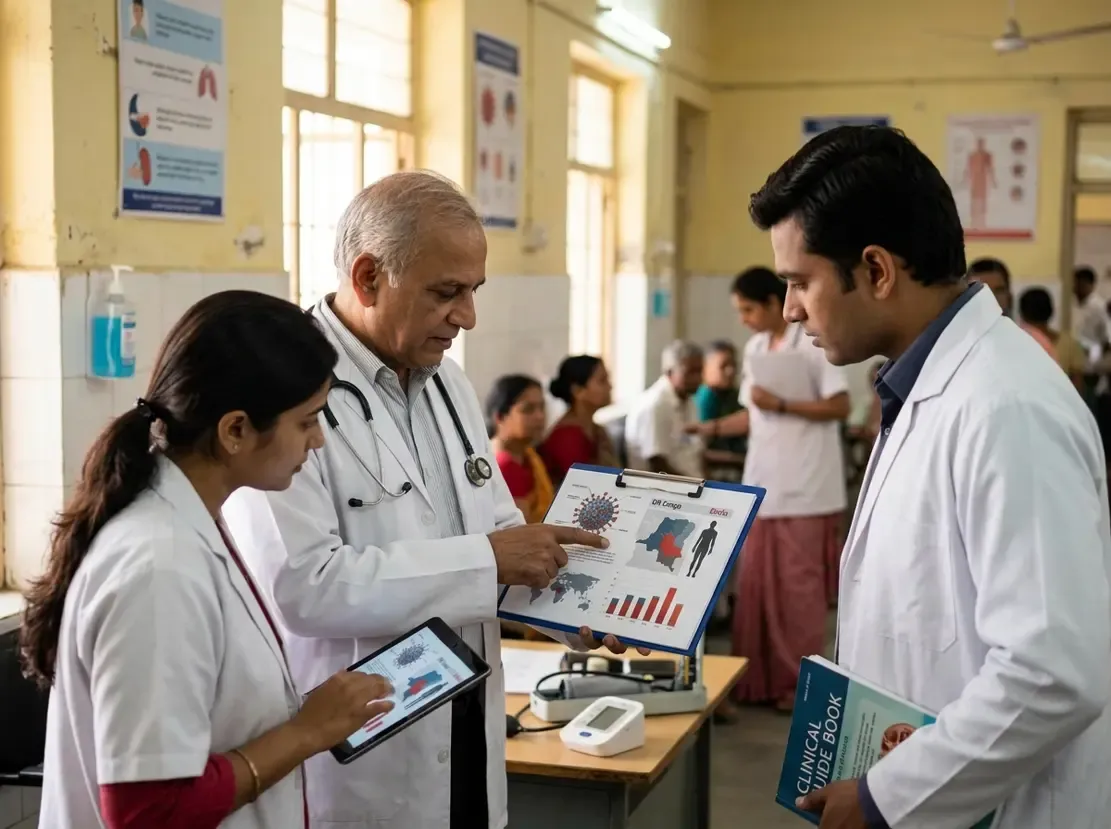
Researchers from Dr. D. Y. Patil Medical College and Johns Hopkins University conducted the landmark TB Aftermath (TBAM) study across six government TB clinics in Pune. Consequently, the team closely followed 1,076 TB survivors and 3,309 household contacts for 18 months. The trial identified recurrent tuberculosis in 75 survivors, representing 7% of the cohort. Additionally, clinicians newly diagnosed active tuberculosis in 30 household contacts. Notably, the median time to recurrence diagnosis was less than six months post-treatment.
Comparing Surveillance Strategies and Extrapulmonary Risk
The study evaluated two active case-finding strategies: home-based screening and telephone-based follow-up. Although telephonic screening offered logistical convenience, in-person home visits detected significantly more recurrent tuberculosis cases among high-risk survivors. Furthermore, researchers identified an important link between prior extrapulmonary tuberculosis and altered lung function. As a result, comprehensive spirometry and active clinical examinations remain essential to prevent long-term pulmonary disability.
Clinical Implications for Healthcare Providers
India has achieved significant progress against TB, reducing overall incidence from 237 per lakh in 2015 to 187 per lakh in 2024. However, post-treatment disease recurrence threatens these national gains. Therefore, physicians must counsel completing patients on red-flag symptoms such as persistent cough, fever, and unintended weight loss. In addition, healthcare systems must establish structured post-treatment surveillance programs during the first six to twelve months.
Frequently Asked Questions
Q1: Why is recurrent tuberculosis common within six months of treatment?
Most recurrences occur early due to true microbiological relapse of surviving bacilli or rapid reinfection in high-transmission environments.
Q2: How does home-based screening compare to phone screening for TB survivors?
While phone screening assists broad contact tracing, home-based clinical evaluations detect significantly more recurrent tuberculosis cases among high-risk survivors.
Q3: Should physicians monitor extrapulmonary TB survivors for pulmonary impairment?
Yes, clinicians should monitor all survivors because prior extrapulmonary tuberculosis is frequently associated with altered lung function and subsequent disease recurrence.
References
- Pune tuberculosis survey finds disease returning in some within just six monthsof treatment - ETHealthworld
- Cox SR, Kadam A, Valawalkar S, et al. Phone-based screening versus home-based screening after tuberculosis in India (TB Aftermath): a multicentre, open-label, randomised, controlled, non-inferiority trial. Lancet Glob Health. 2026.