
Over 117M Indians Face Risky Heat: Key Medical Insights
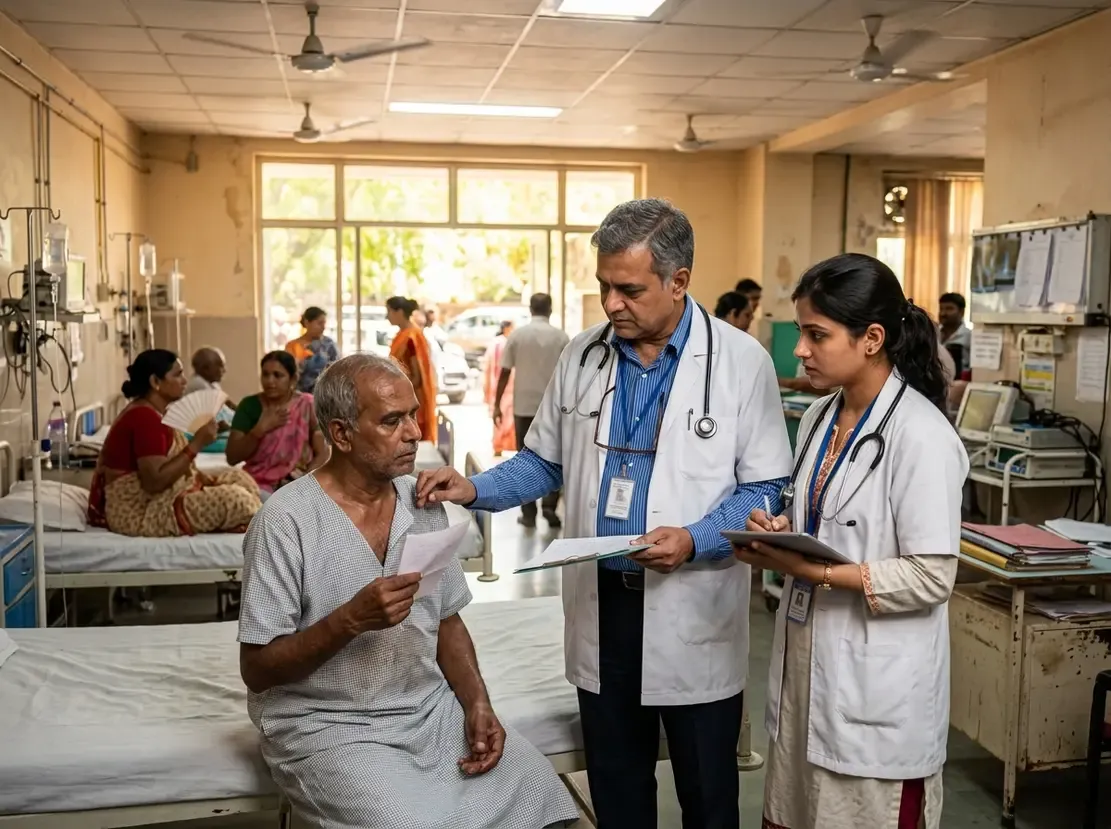
A comprehensive climate analysis reveals that India experienced unprecedented thermal strain from June to August. Consequently, approximately 117 million citizens endured prolonged risky heat exposure driven by human-induced climate change. This troubling figure places India at the top of globally exposed populations. Furthermore, the national average temperature rose 0.7 degrees Celsius above historical baseline levels during this period. Therefore, clinicians must recognize these meteorological shifts because thermal stress directly drives acute admissions.
The Scale of Risky Heat Exposure Across India
The analysis defined risky heat days as daily temperatures exceeding 90 percent of local records from 1991 to 2020. Notably, Srinagar recorded 53 risky days, representing the highest frequency nationwide. Chennai followed with 40 days, while Rajkot and Amritsar each logged 29 days. In addition, Lucknow reported 27 hazardous days during the three-month evaluation. Meanwhile, Mumbai documented 86 days where climate change significantly altered ambient temperatures. Across the continent, 2.8 billion people encountered similar dangerous thermal conditions. Thus, regional climate dynamics created widespread environmental health hazards for urban and rural communities alike.
Clinical Complications Associated with Prolonged Heat
Sustained ambient warming places severe demands on human thermoregulatory mechanisms. For example, prolonged vasodilation and heavy sweating rapidly deplete intravascular volume and essential electrolytes. Consequently, patients often present with heat exhaustion, heat cramps, or life-threatening heat stroke. Furthermore, high ambient temperatures worsen pre-existing cardiovascular conditions by forcing the heart to maintain elevated cardiac output. Renal function also declines rapidly under persistent dehydration, which precipitates acute kidney injury. Moreover, vulnerable groups including elderly individuals, outdoor workers, and pregnant women face heightened physiological risks. Clinical teams must therefore maintain heightened vigilance during prolonged high-temperature episodes, and professionals looking to strengthen their expertise in handling critical presentations can benefit from enrolling in a Certification Course In Emergency Medicine.
Physician Action Plans for Risky Heat Exposure
Medical practitioners play a vital role in mitigating heat-related morbidity within community settings. First, clinicians should actively adjust dosages of medications that disrupt fluid balance or thermoregulation. These drugs include diuretics, antihypertensives, anticholinergics, and psychotropic agents. In addition, primary care doctors must educate patients regarding early warning signs such as dizziness, oliguria, and confusion. Healthcare centers should establish dedicated hydration stations and rapid cooling protocols for arriving emergency cases. As a result, timely interventions can prevent reversible heat exhaustion from deteriorating into multi-organ failure. Finally, local health systems should align outpatient triage protocols with municipal heat action advisories.
Frequently Asked Questions
Q1: What defines a risky heat day in this climate assessment?
The study defines a risky heat day as temperatures exceeding 90 percent of records between 1991 and 2020. Consequently, adverse heat-related health risks begin to rise significantly at this physiological threshold.
Q2: How does prolonged risky heat exposure impact chronic disease patients?
Persistent heat puts intense hemodynamic strain on cardiovascular patients and promotes hypovolemia. Consequently, individuals with chronic kidney disease or diabetes face heightened danger of acute decompensation, electrolyte disturbances, and organ dysfunction.
Q3: Which medications require close monitoring during severe heatwaves?
Clinicians should closely monitor diuretics, ACE inhibitors, angiotensin receptor blockers, beta-blockers, and psychotropic medications. Specifically, these pharmacological therapies alter thirst perception, sweat production, or systemic vascular resistance during extreme weather. Practitioners can master safe prescribing habits by exploring programs like the Certification Course In Safe Prescribing.
References
- India had largest number of people exposed to 30 days of risky heat fromJun-Aug: Analysis - ETHealthworld
- Climate Central. Risky Heat Added by Climate Change: June to August 2026. Climate Central Report; 2026.
- World Health Organization. Heat and Health: Protecting Vulnerable Populations from Extreme Heat. WHO Fact Sheet; 2024.


