Robotics in Medicine: Expanding Beyond the Operating Room
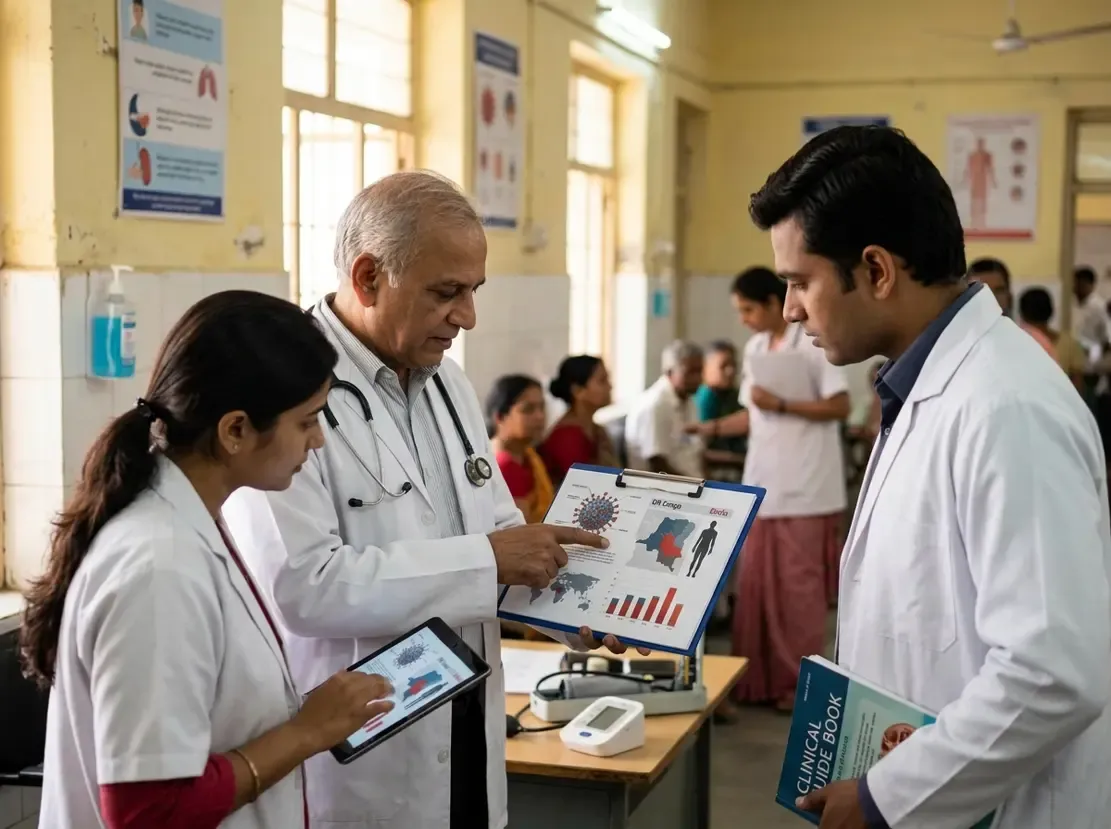
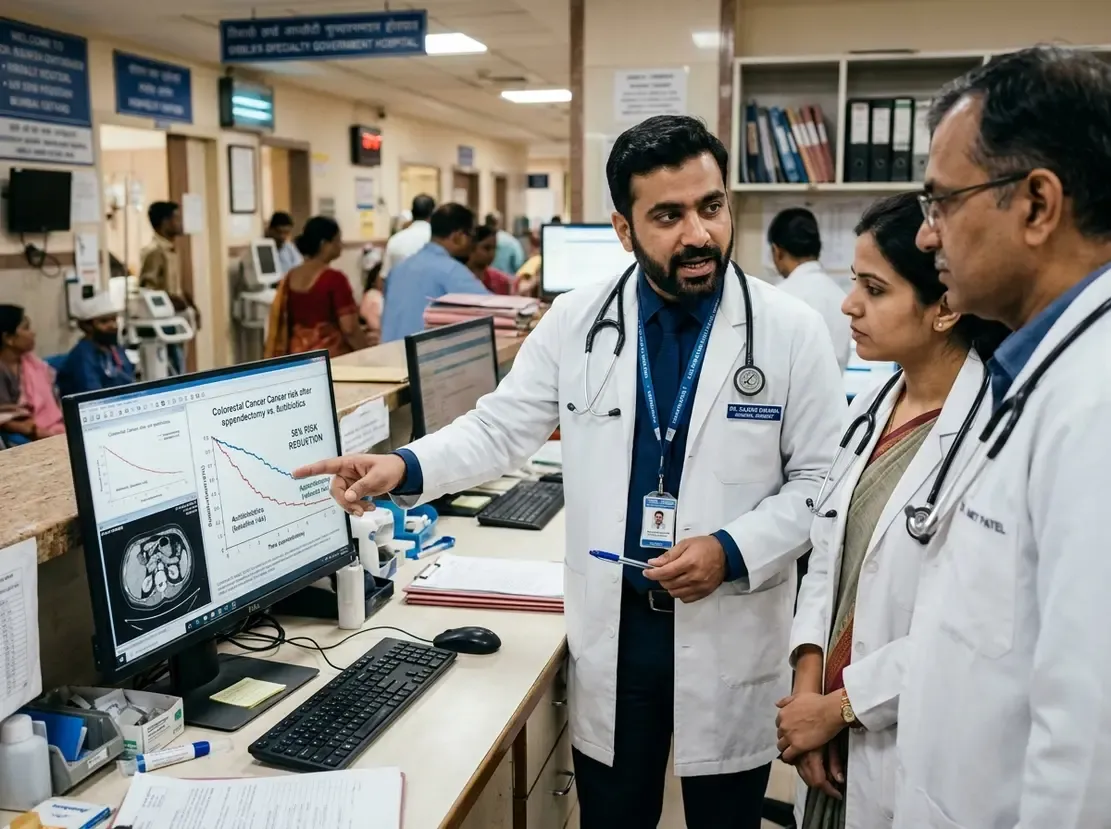
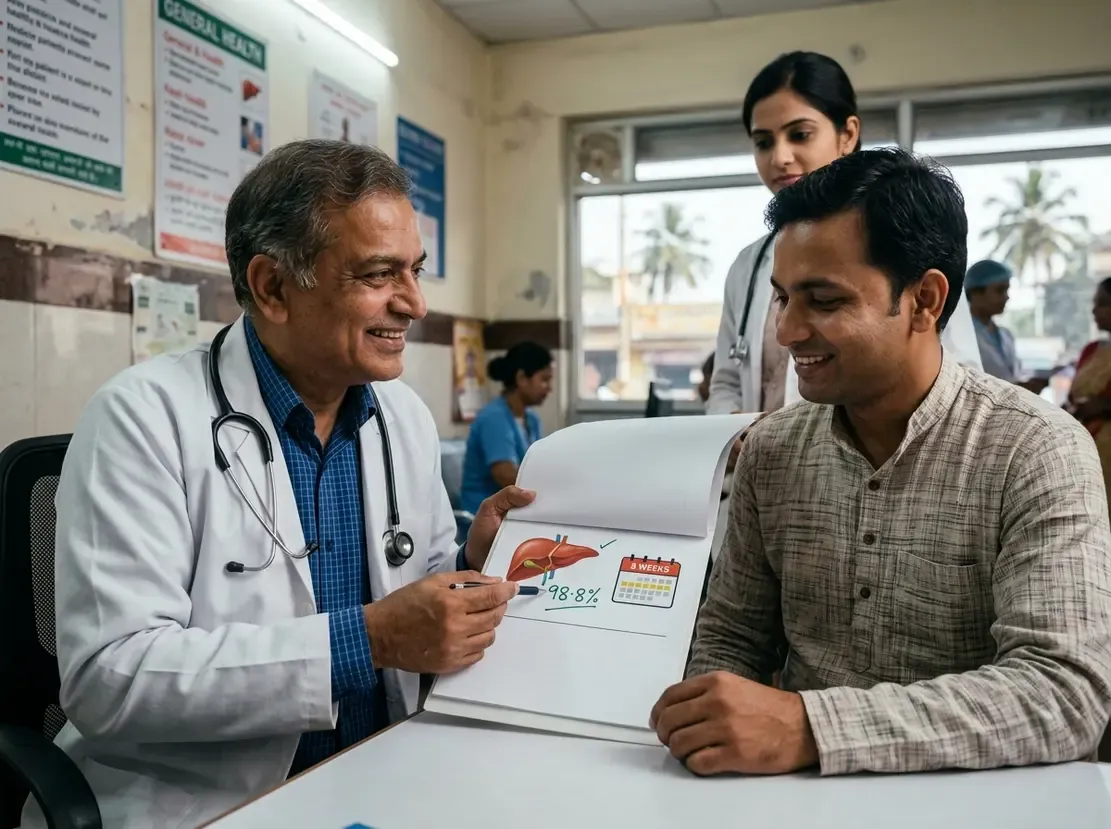
Modern clinical practice is witnessing a remarkable technological revolution. While surgeons initially adopted robotic platforms, robotics in medicine will soon transform general clinical practice, diagnostics, and patient management. Addressing the International Conference of the Society of Robotic Surgery, Union Minister Dr. Jitendra Singh emphasized this pivotal shift. He highlighted that robotic systems will soon integrate deeply into mainstream clinical disciplines across India.
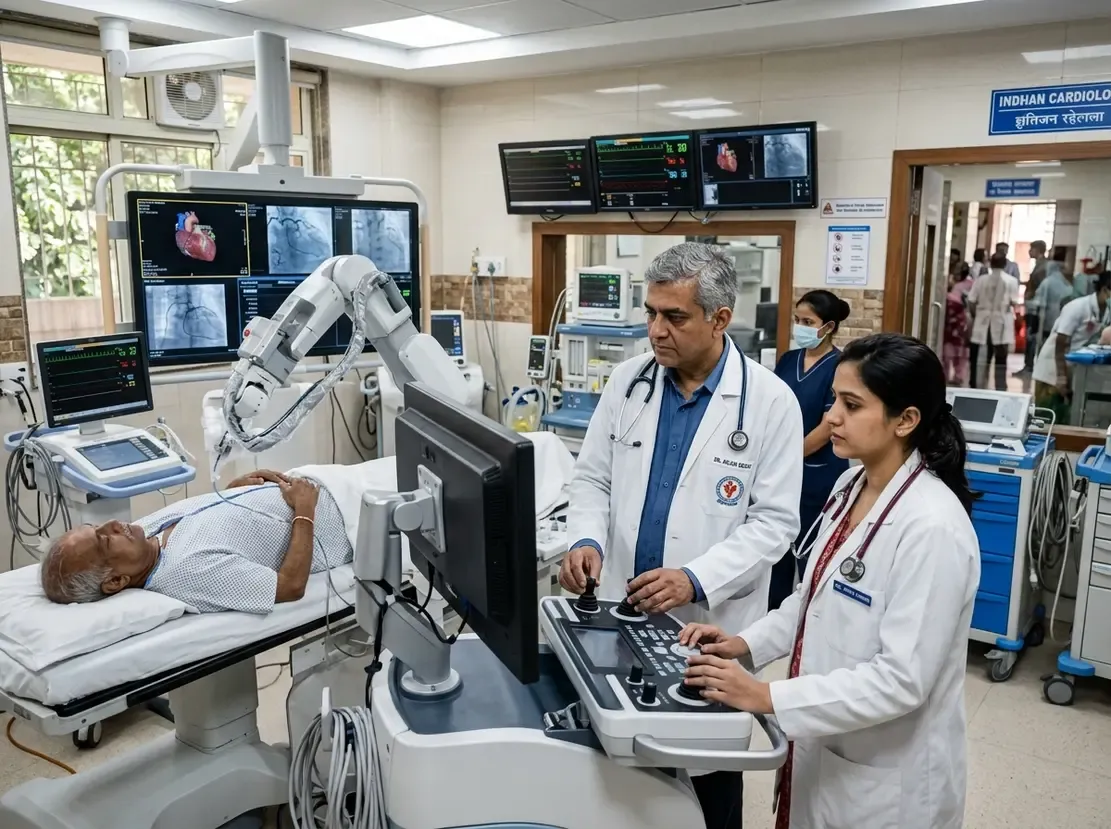
Consequently, clinicians are preparing for a shift toward interconnected care. Emerging disciplines such as robotic cardiology, robotic endocrinology, and robotic medicine are rapidly taking shape. Therefore, understanding this technological convergence is vital for Indian healthcare professionals looking to advance their expertise through a certification course in general practice.
The Expanding Role of Robotics in Medicine
Historically, robotic systems functioned primarily as master-slave tools for complex surgical procedures. However, their scope is expanding into non-surgical domains. Dr. Singh noted that robotics represents a versatile tool that will eventually penetrate every specialty. Thus, medical robotics will soon aid clinicians in targeted therapy, advanced imaging, and systemic disease management.
Furthermore, artificial intelligence and nanoscience will converge with mechanical automation. This powerful ecosystem will enhance precision health delivery across clinical settings. For example, nanotechnology could revolutionize drug delivery through mechanisms like oral insulin. As a result, physicians will be able to overcome traditional therapeutic barriers and offer safer alternatives.
Tele-Robotics and Remote Clinical Care in India
Geographical disparities present significant hurdles for healthcare delivery in India. Fortunately, tele-robotics offers a viable solution to bridge this rural-urban divide. By utilizing remote robotic systems, medical specialists can reach patients across vast distances without extensive travel.
Dr. Singh demonstrated this capability by performing a robotic ultrasonography on an individual in Antarctica. This milestone illustrates how remote technologies can redefine doctor-patient relationships. Rather than forcing patients to travel long distances, tele-robotic platforms bring specialist expertise directly to local clinics. Consequently, regional hospitals can deliver timely diagnostics and life-saving interventions.
Genomics and Precision Healthcare Delivery
India currently faces a dual disease burden where infectious diseases coexist with chronic metabolic disorders. Moreover, chronic conditions are increasingly affecting younger demographics. To combat this evolving challenge, precision medicine must tailor treatments to each patient's unique profile.
Through the Genome India Programme, researchers have already sequenced 10,000 individuals. However, expanding genomic sequencing across a population of 1.4 billion requires automated assistance. Minister Singh stressed that combining AI with robotics will make universal newborn screening achievable. Therefore, automated genomic analysis will help Indian practitioners detect congenital disorders early, enabling proactive clinical care.
Frequently Asked Questions
Q1: How will robotics expand beyond surgical procedures in India?
Robotics will increasingly assist in non-surgical domains, including remote diagnostics, cardiology, and endocrinology. Furthermore, robotic integration with AI will support automated laboratory screening and precise drug delivery mechanisms.
Q2: What is the clinical significance of tele-robotics for Indian healthcare?
Tele-robotics allows specialists to perform diagnostic scans and procedures remotely. Consequently, it minimizes geographical barriers, decreases patient travel expenses, and brings tertiary care expertise to remote regions.
Q3: How do robotics and AI support precision medicine?
Robotics and AI accelerate large-scale genomic sequencing and analyze individual health variables. Therefore, clinicians can design targeted treatments tailored to a patient's genetics and metabolic profile.
References
- Robotics to expand beyond surgery into diagnostics and multiple medicalspecialities: Jitendra Singh - ETHealthworld
- Press Information Bureau (PIB), Government of India - Robotics to Become an Accelerating Tool in Every Specialty of Medicine: Union Minister Dr. Jitendra Singh
- Akashvani News (All India Radio) - Robotics set to become important tool across medical specialities: Union Minister Jitendra Singh