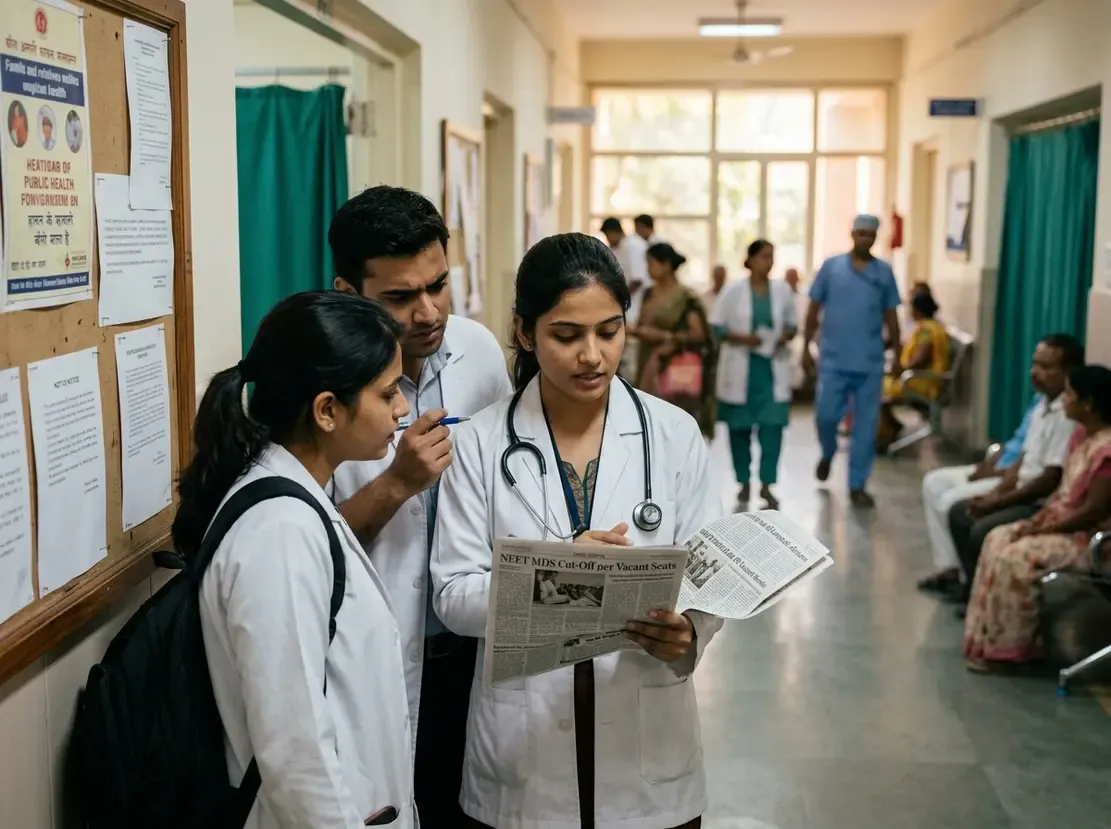
Rajasthan TB Screening Drive Reveals High 12% Positivity
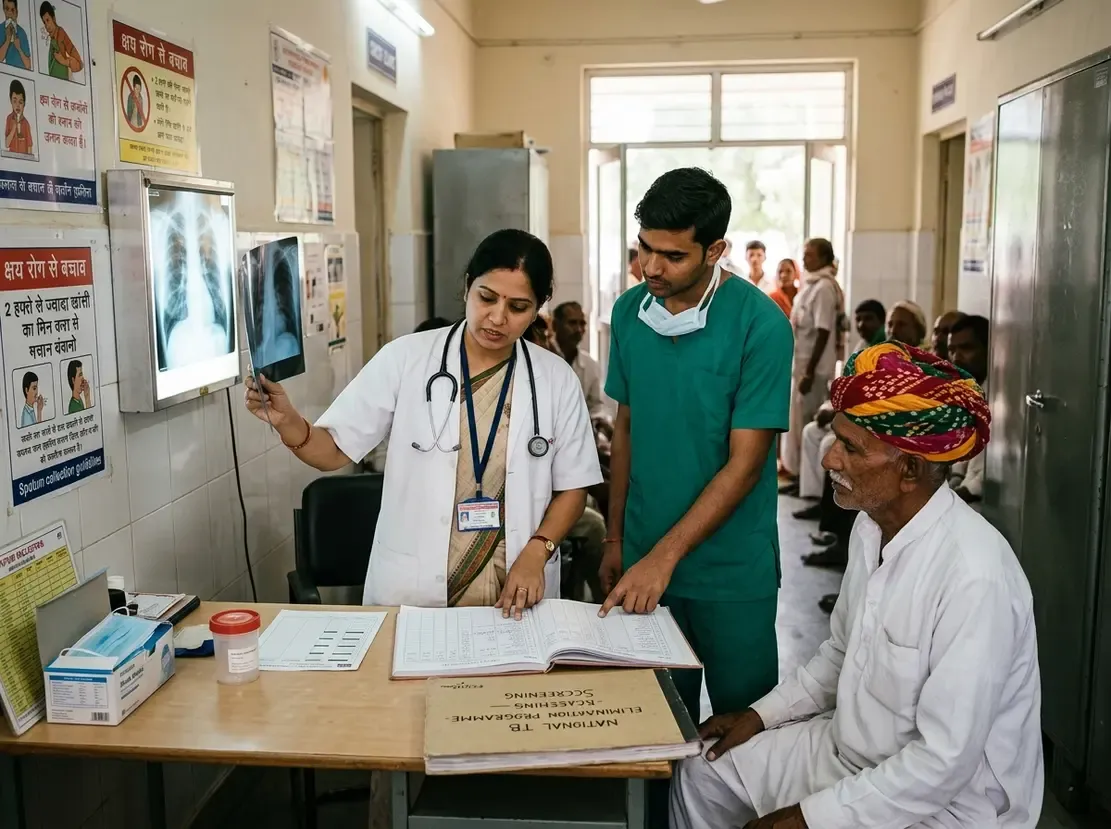
A recent statewide TB screening drive in Rajasthan has identified a high disease burden across high-risk groups. Specifically, health workers examined 22.8 lakh individuals between December 2024 and August 2026. As a result, healthcare teams diagnosed 2.8 lakh tuberculosis cases. This outcome translates into an alarming 12% positivity rate among targeted populations.
Statewide Impact of the TB Screening Drive
Rajasthan currently ranks 12th in TB positivity among Indian states and Union territories. Meanwhile, Delhi recorded the highest positivity rate at 42%. Additionally, Bihar and Punjab reported positivity rates of 33% and 29% respectively. These high figures highlight the success of targeted case detection. Consequently, proactive outreach uncovers infections that routine facility visits frequently miss.
High-Risk Populations Targeted During the Campaign
Health teams deployed door-to-door screening to reach vulnerable demographics. For instance, staff evaluated people living with HIV/AIDS, patients with diabetes, and seniors over 60 years old. Furthermore, the initiative reached malnourished individuals, tobacco smokers, and heavy alcohol consumers.
Moreover, frontline workers focused on migrant labourers and marginalized tribal communities. Similarly, the screening drive examined residents in urban slums, mining areas, construction sites, and prisons. Because these settings foster airborne transmission, early diagnosis prevents community outbreaks.
Clinical Transmission and Contagion Windows
Mycobacterium tuberculosis primarily causes pulmonary infection, although it can damage bones, kidneys, and meninges. Active pulmonary tuberculosis spreads through microscopic airborne droplets when patients cough, sneeze, or speak. Poorly ventilated living spaces substantially amplify this contagion risk.
However, tuberculosis does not spread through casual social touch, utensils, or toilet seats. Furthermore, patients with pulmonary infection generally become non-contagious after two weeks of adherence to effective multi-drug therapy. In addition, extrapulmonary cases rarely transmit bacilli to close contacts. Clinicians must reassure patients to eliminate widespread social stigma.
NTEP Protocols and Digital Healthcare Tools
Under the National TB Elimination Programme, public health facilities offer free screening, molecular diagnostics, and fixed-dose combinations. In addition, authorized private healthcare clinics deliver subsidized care under national guidelines. Public health officials emphasize contact tracing, airborne infection control, and nutritional support.
Moreover, digital solutions strengthen disease surveillance across India. For example, the TB Aarogya Sathi mobile application provides patients with symptom checklists, treatment locations, and adverse effect warnings. Consequently, patients receive rapid assistance throughout their therapeutic regimen.
Frequently Asked Questions
Q1: Why was the positivity rate so high in the Rajasthan screening drive?
The screening drive targeted clinically and socially vulnerable populations rather than the general public. Therefore, testing focused on high-risk individuals, producing an expectedly higher positivity yield.
Q2: How long does a pulmonary TB patient remain contagious after starting therapy?
Patients usually stop being infectious after taking appropriate anti-tubercular medication for at least two consecutive weeks. However, completing the full multi-month regimen remains vital to prevent relapse and resistance.
Q3: What digital support tools does the National TB Elimination Programme offer?
The programme offers the TB Aarogya Sathi application. Specifically, this mobile tool guides users on diagnostic centers, drug side effects, treatment monitoring, and nutritional counseling.
To expand your clinical knowledge in managing complex respiratory conditions, consider exploring professional development through pulmonology speciality courses.
References
- Raj sees 12% TB positivity in statewide screening drive - ETHealthworld
- Central Tuberculosis Division. Training Module for Programmatic Management of Tuberculosis. Ministry of Health and Family Welfare, Government of India.
- National Tuberculosis Elimination Programme. Active Case Finding Guidelines and Operational Protocols. Directorate General of Health Services, Government of India.