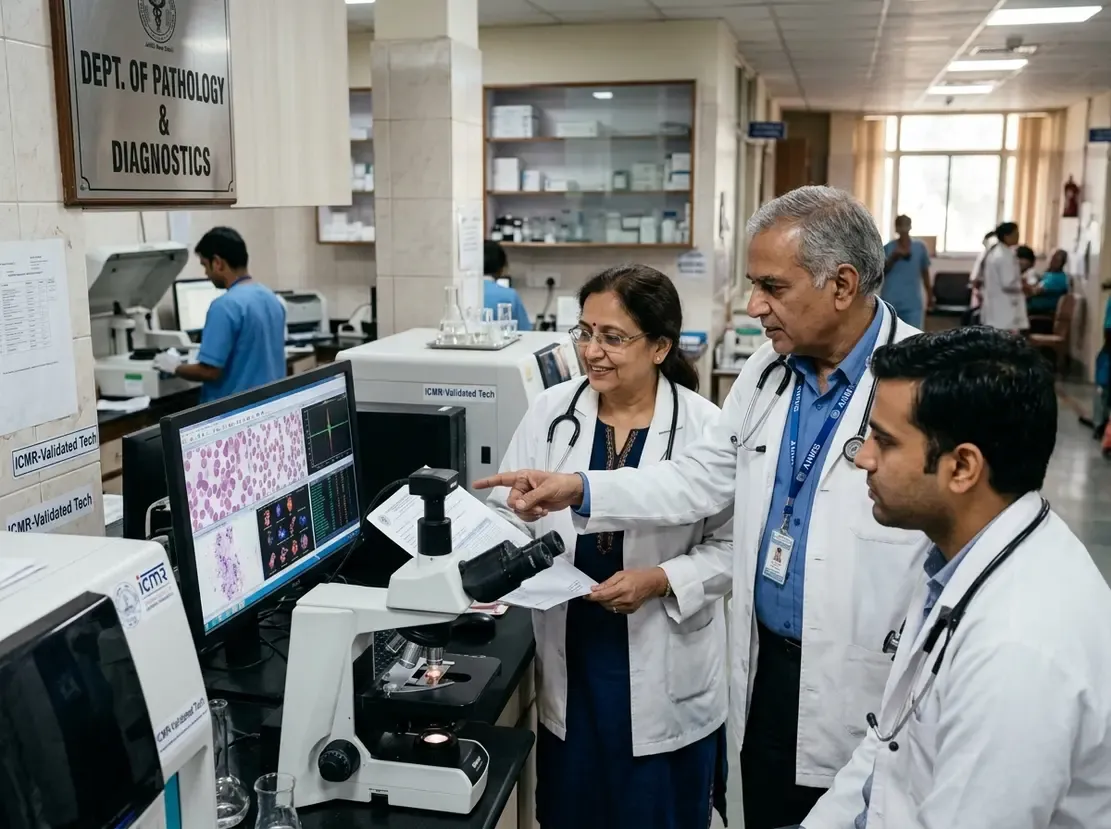
WHO Renews Science Council to Guide AI and Gene Editing
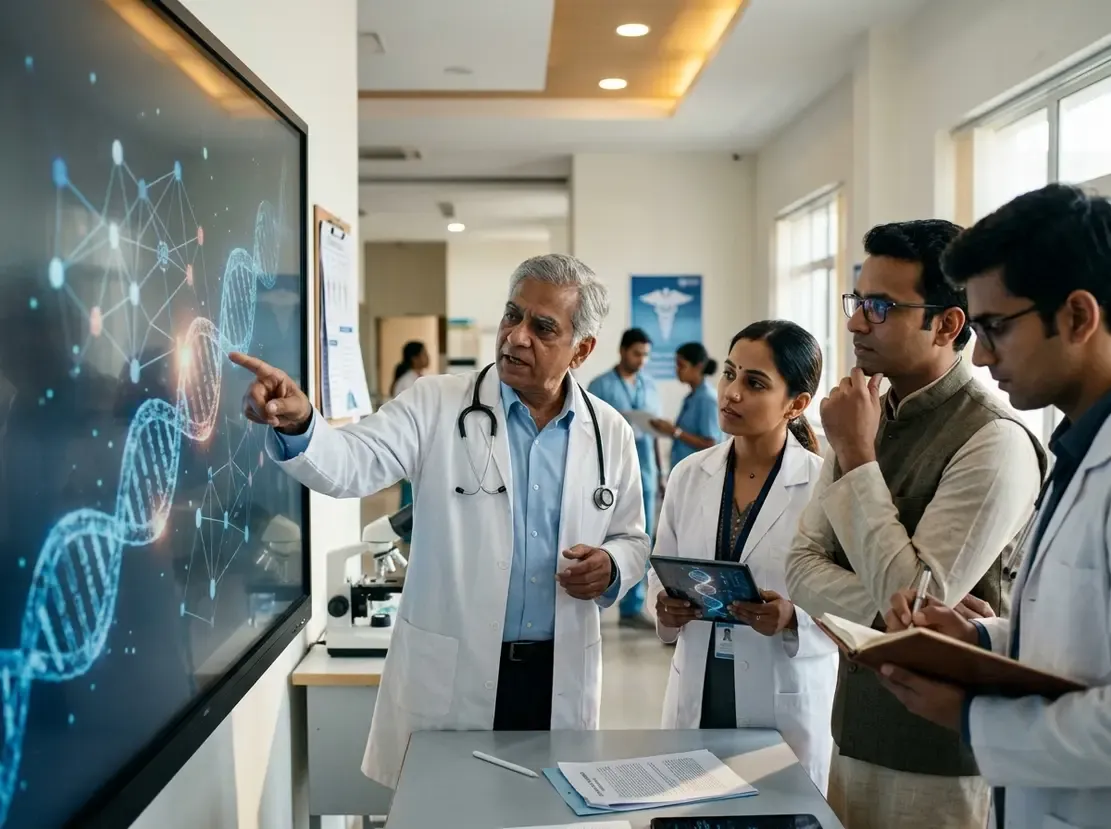
The World Health Organization has announced the renewal of the WHO Science Council to navigate transformative medical shifts. Rapid technological progress in artificial intelligence, precision medicine, and synthetic biology is dramatically altering patient care worldwide. Consequently, global health leaders require strong scientific foresight to evaluate emerging clinical innovations early.
Role and Mandate of the Renewed WHO Science Council
The WHO Science Council serves as the primary external advisory group for high-priority scientific breakthroughs. Twenty-one distinguished experts from multiple health disciplines comprise the renewed body. Furthermore, these members represent all six WHO regions to maintain diverse global perspectives. Two dedicated seats also include youth representatives to ensure long-term generational representation.
Moreover, the council will evaluate rapid developments before they create difficult ethical and policy challenges. Emerging tools must reach diverse populations rather than remaining confined to well-funded healthcare settings. Therefore, the advisory group aims to provide clear, evidence-based recommendations to help member states adapt safely.
Impact on AI, Gene Editing, and Clinical Practice
Modern healthcare systems increasingly integrate artificial intelligence into medical imaging, diagnostics, and drug discovery workflows. In addition, gene editing and synthetic biology provide unprecedented pathways to manage rare inherited disorders and infectious diseases. However, these powerful technologies raise complex regulatory and bioethical questions for clinicians and policymakers.
Indian healthcare practitioners and researchers frequently align local clinical guidelines with international standards. Consequently, strategic guidance from global advisory panels directly impacts therapeutic standards and health governance in developing regions. Ultimately, the council will help translate accelerating scientific progress into equitable, safe, and effective patient outcomes.
Frequently Asked Questions
Q1: What is the primary role of the WHO Science Council?
The council provides independent scientific advice on high-priority breakthroughs, emerging technologies, and global health risks.
Q2: Why did WHO include youth representatives in the council?
Younger representatives provide critical generational perspectives, ensuring long-term health policies account for future consequences of emerging technologies.
Q3: How do emerging technologies affect clinical medicine?
Technologies such as AI and gene editing enhance diagnostic precision and therapeutic customization for diverse diseases.
References
- - ETHealthworld
- World Health Organization (WHO) - WHO Appoints 21 Leading Scientists to Science Council to Help Shape Future Health Breakthroughs