How AI Discharge Summaries Can Save Clinician Workflows
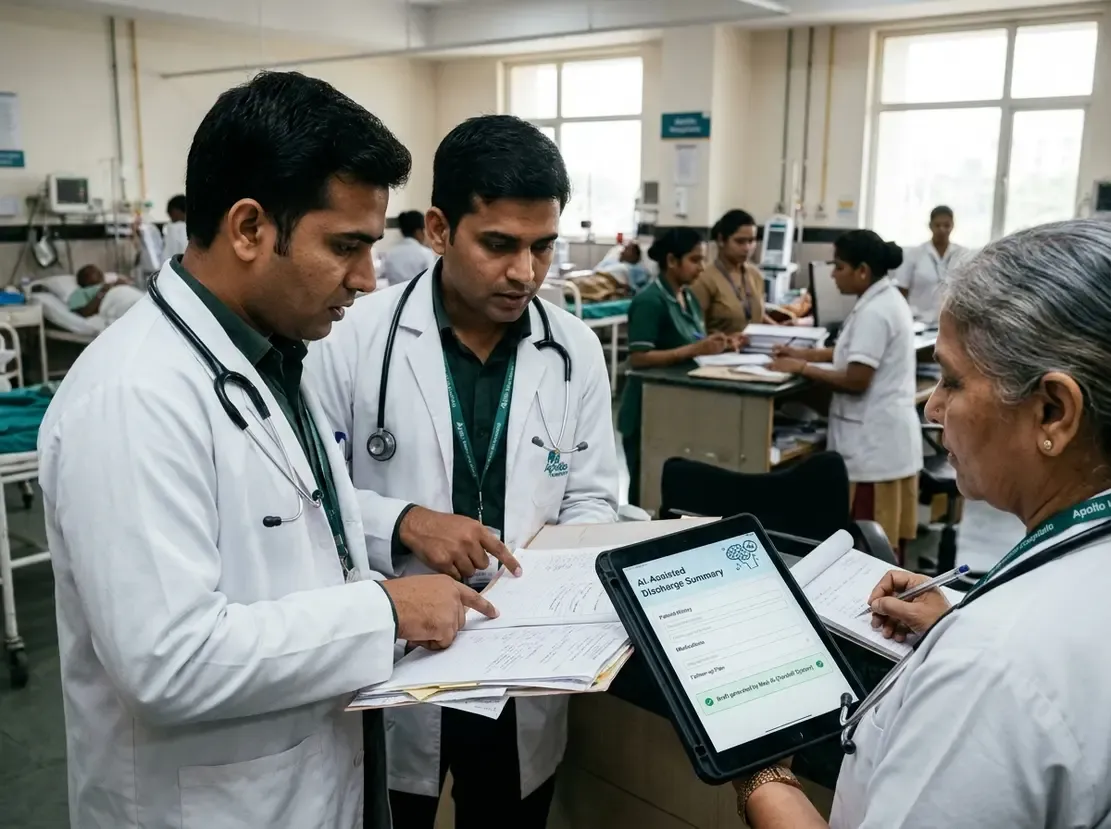
Hospital discharge documentation often consumes excessive time and drains clinical productivity. Consequently, recent advances suggest that AI discharge summaries can relieve heavy paperwork burdens for busy hospital physicians. A landmark study published in npj Digital Medicine reveals notable advantages when clinicians use large language models. Specifically, researchers at Stony Brook University evaluated complex hospital stays lasting between seven and twenty-one days. These complex inpatient admissions typically generate massive amounts of clinical notes and diagnostic records. As a result, drafting complete discharge summaries manually often delays care transitions.
Why Physicians Preferred AI Discharge Summaries
In this trial, researchers compared draft summaries created by an artificial intelligence model against human-authored documents. Remarkably, evaluating hospitalists and primary care physicians preferred the automated summaries in 95 percent of cases. Furthermore, reviewers assigned significantly higher marks to the algorithm for readability, clarity, and overall completeness. The automated approach also missed fewer critical clinical details than standard physician notes. In addition, primary care doctors noted that the generated drafts were much easier to explain to patients. Therefore, outpatient physicians could design seamless follow-up care plans far more quickly through comprehensive training via a Certification Course In General Practice.
Addressing Error Rates and the Need for Physician Oversight
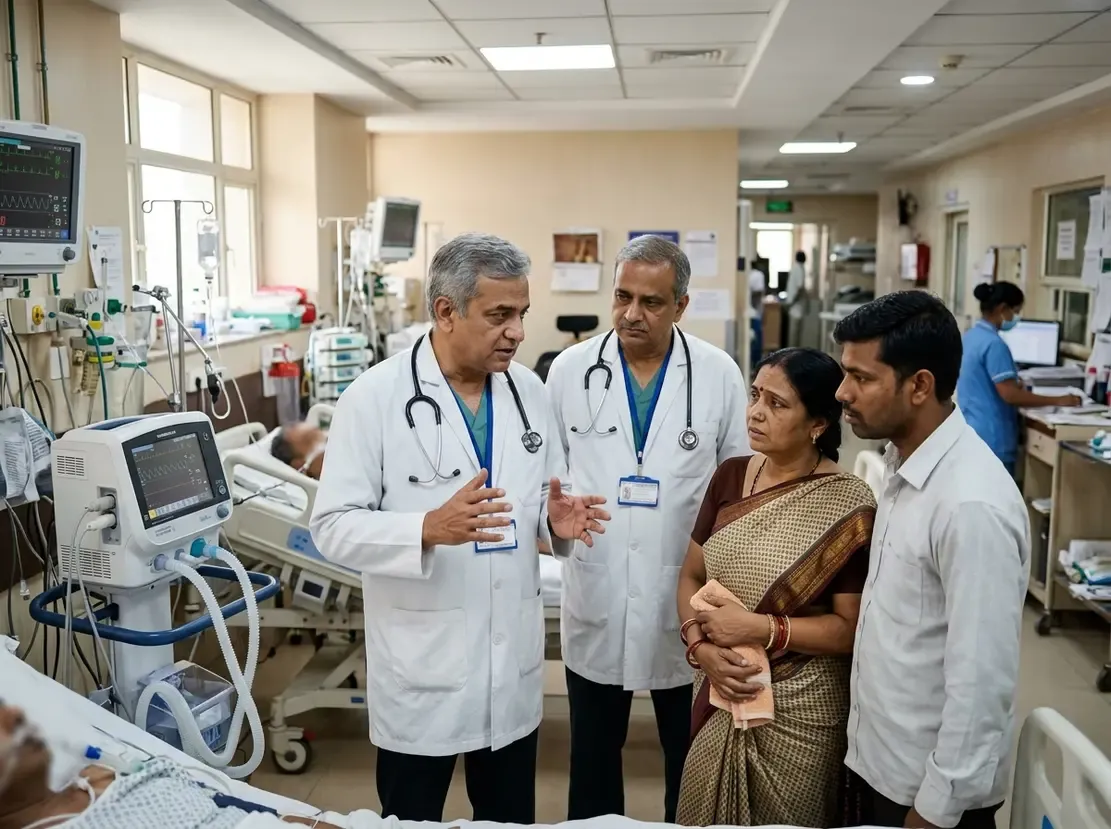
Although artificial intelligence demonstrated superior structure, both documentation methods still produced occasional factual inaccuracies. Interestingly, independent reviewers identified no statistically significant difference in clinical harm between human and machine errors. However, investigators emphatically noted that automated platforms must never operate without human verification. Senior clinicians must review and edit every machine-drafted summary before finalizing medical records. In fact, clinician oversight provides the essential safeguard against potential algorithmic hallucinations. Thus, medical teams should view automated systems as supportive drafting assistants rather than replacements while enhancing their skills through a Certification Course In Safe Prescribing.
Clinical Implications for Modern Inpatient Care
Busy healthcare providers frequently face administrative exhaustion and clinical burnout. Consequently, automating routine documentation tasks provides meaningful time savings during inpatient handoffs. Moreover, this technology can help bridge communication gaps between tertiary hospitals and community clinics. When post-discharge summaries arrive clearly structured, outpatient clinicians understand immediate follow-up priorities. Ultimately, structured digital summaries ensure patient safety while preserving vital physician energy.
Frequently Asked Questions
Q1: Why did clinicians prefer AI discharge summaries over manual summaries?
Physicians favored them because the model produced clearer, more comprehensive documents and missed fewer clinical details during complex hospital stays.
Q2: Can doctors use automated summaries without manual checking?
No, because automated drafts can contain errors. Therefore, clinicians must thoroughly review and verify every generated summary before signing off.
Q3: How fast does the artificial intelligence generate these discharge drafts?
The language model organized extensive electronic health records and generated comprehensive draft summaries within just a few minutes.
References
- AI may improve patient discharge summaries, study shows - ETHealthworld
- Osborne T, Mahmud T, Zheng X, et al. Clinician-centered evaluation of large language model-generated discharge summaries for longer hospitalizations. npj Digit Med. 2026.
- Stony Brook University News. Study Shows AI May Improve Patient Discharge Summaries. Published November 2, 2026.