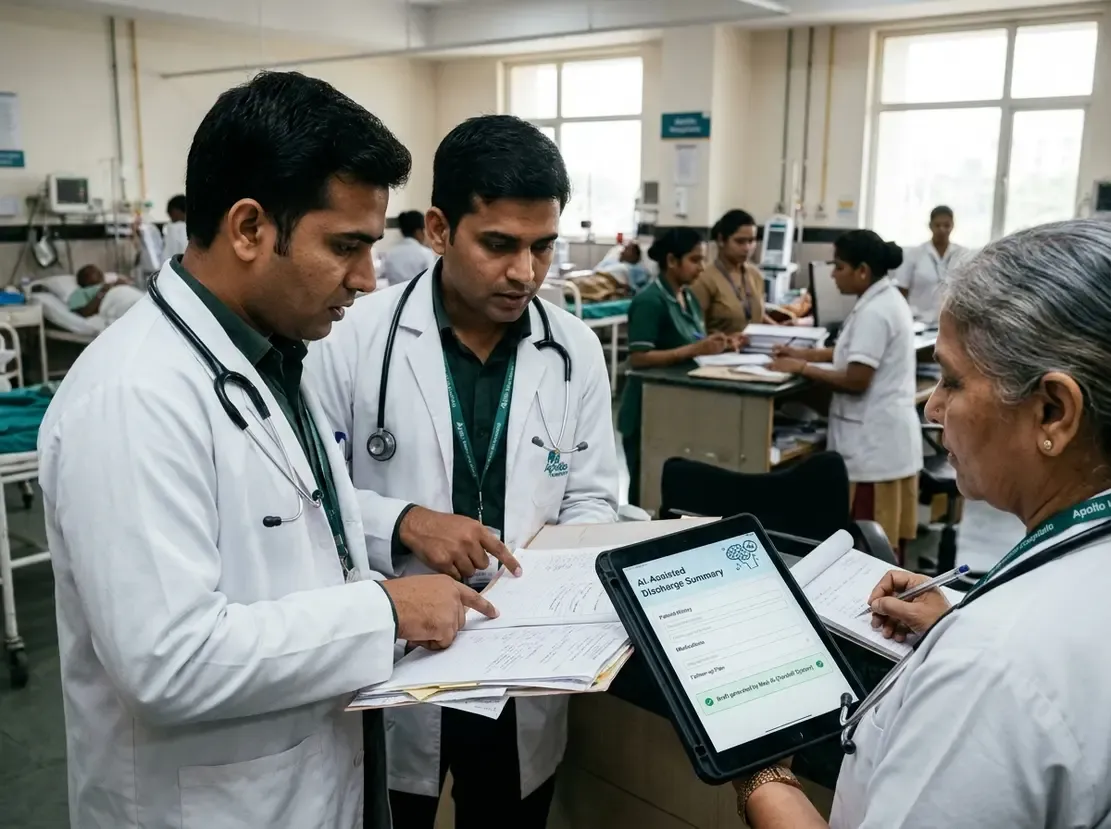
SC Reserves Verdict on Brain Death Protocols in India
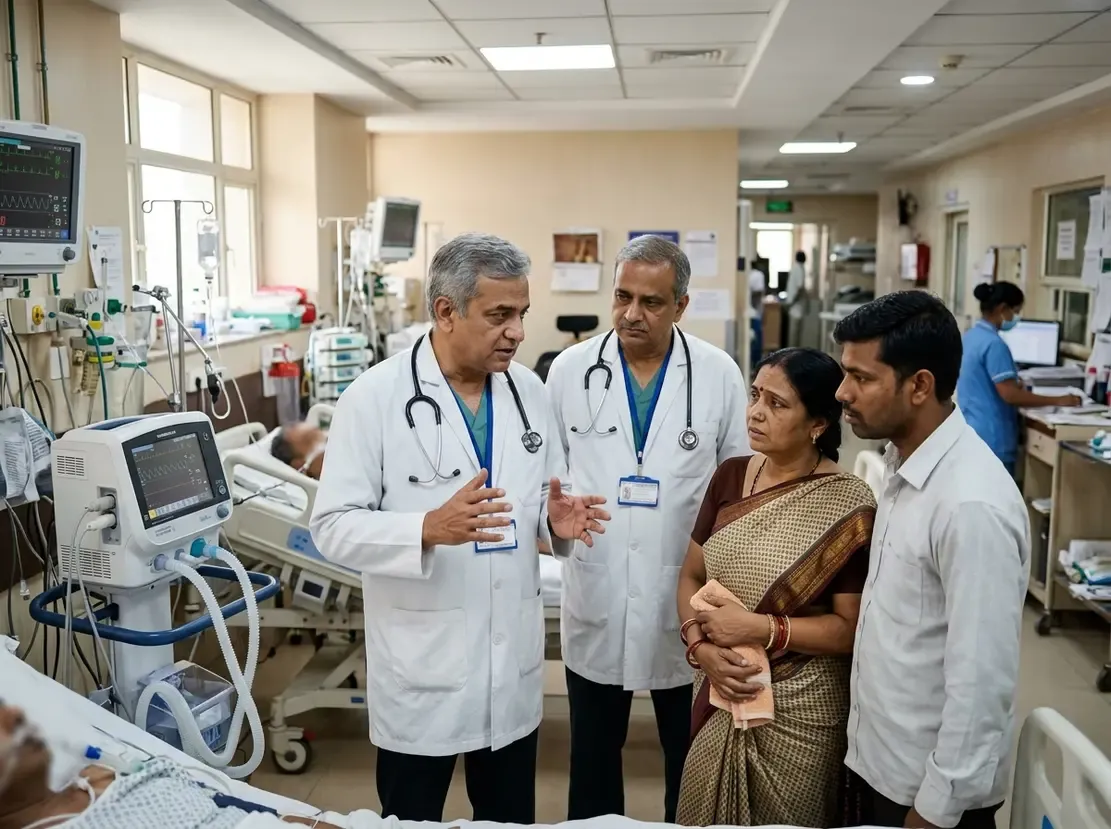
The Supreme Court of India recently concluded hearings on standardizing brain death certification across the country. A three-judge bench led by Justice Vikram Nath reserved its judgment on a long-standing petition challenging current hospital protocols. The petitioner highlighted critical diagnostic lapses during organ retrieval procedures. Consequently, the apex court examined whether hospitals strictly follow statutory medical safeguards.
Concerns Surrounding Current Brain Death Certification
Dr. S. Ganapathy challenged a 2017 Kerala High Court order before the apex court. Specifically, he alleged widespread malpractice in declaring patients dead in intensive care units. He pointed out that hospitals occasionally declare brain death without fulfilling mandatory clinical parameters. Furthermore, he argued that commercial organ transplantation frequently drives premature declarations. In addition, the petitioner contended that doctors often complete statutory forms without performing rigorous physical bedside examinations. Therefore, he urged the judiciary to mandate objective confirmatory diagnostic tests.
Debating Ancillary Testing Versus Apnea Evaluation
Presently, Indian law under the Transplantation of Human Organs and Tissues Act relies primarily on brainstem reflex testing and the apnea test. However, the petitioner argued that the apnea test carries significant physiological risks for unstable patients. Instead, he proposed mandatory cerebral angiography and electroencephalography to confirm complete cessation of cerebral blood flow. In response, Additional Solicitor General Aishwarya Bhati presented the National Guidelines on Brain Stem Death Certification, 2026. Moreover, she highlighted an expert report prepared by the All India Institute of Medical Sciences. Earlier, the Supreme Court had asked AIIMS specialists to suggest updated protocols aligned with global medical advances. The expert panel reviewed whether objective imaging can practically supplement standard clinical evaluations.
Clinical Implications for Intensive Care Units
The pending verdict carries substantial regulatory implications for critical care specialists and transplant teams in India. First, clinicians must prepare for heightened documentation and potential mandatory videography during apnea examinations. Second, hospitals must ensure full compliance with the four-member medical board requirements under statutory guidelines. Additionally, separating brainstem death certification from organ donation requests remains vital to protect public trust. If the Supreme Court mandates ancillary neuro-investigations, intensive care units will need rapid access to confirmatory equipment. Thus, healthcare facilities should audit their neurological determination pathways to eliminate legal vulnerability.
Frequently Asked Questions
Q1: What prompted the Supreme Court review of brain death protocols?
A petition by Dr. S. Ganapathy alleged non-compliance with legal criteria and premature declarations to facilitate organ transplantation.
Q2: What alternative confirmatory tests did the petitioner propose?
The petitioner advocated for cerebral angiography and electroencephalography to objectively demonstrate the absence of cerebral blood flow and electrical activity.
Q3: How does Indian law currently define brain death?
Indian law defines death as the irreversible cessation of brainstem function. A four-member board certifies this condition through two clinical evaluations six hours apart.
Professional Development
For medical practitioners looking to advance their expertise in handling critical neurological emergencies and diagnostic standards, exploring specialized critical careity courses can provide essential guidance and up-to-date clinical frameworks.
References
- SC reserves verdict on plea concerning procedure of declaring patient brain dead - ETHealthworld
- Supreme Court Asks AIIMS To Constitute Expert Committee For Exploring Alternatives To 'Brain Death' Verification - LiveLaw
- National Guidelines on Brain Stem Death Certification - Ministry of Health and Family Welfare, Government of India